
8 Tips to Use a Level for Renovation Layouts and Grading
The smell of damp, disturbed earth signals the start of a structural overhaul. When the turgor pressure in existing perennials begins to drop during late autumn senescence, it is the precise window to begin heavy earthmoving. Precision in topography determines whether a landscape thrives or succumbs to anaerobic root rot. Using a level for garden renovation is the only method to ensure that surface runoff moves at a rate of two percent away from structural foundations and sensitive root zones. Without a verified grade, water pools in low spots; this displaces oxygen in the soil pores and leads to the rapid decline of the rhizosphere. A master gardener knows that a visual estimate is a failure in engineering. You must calculate the rise and run of the land to manage the hydraulic conductivity of the substrate. This guide provides the technical framework for using a level to establish drainage, build retaining walls, and ensure the long term health of your botanical collection through exact gravitational management.
Materials:
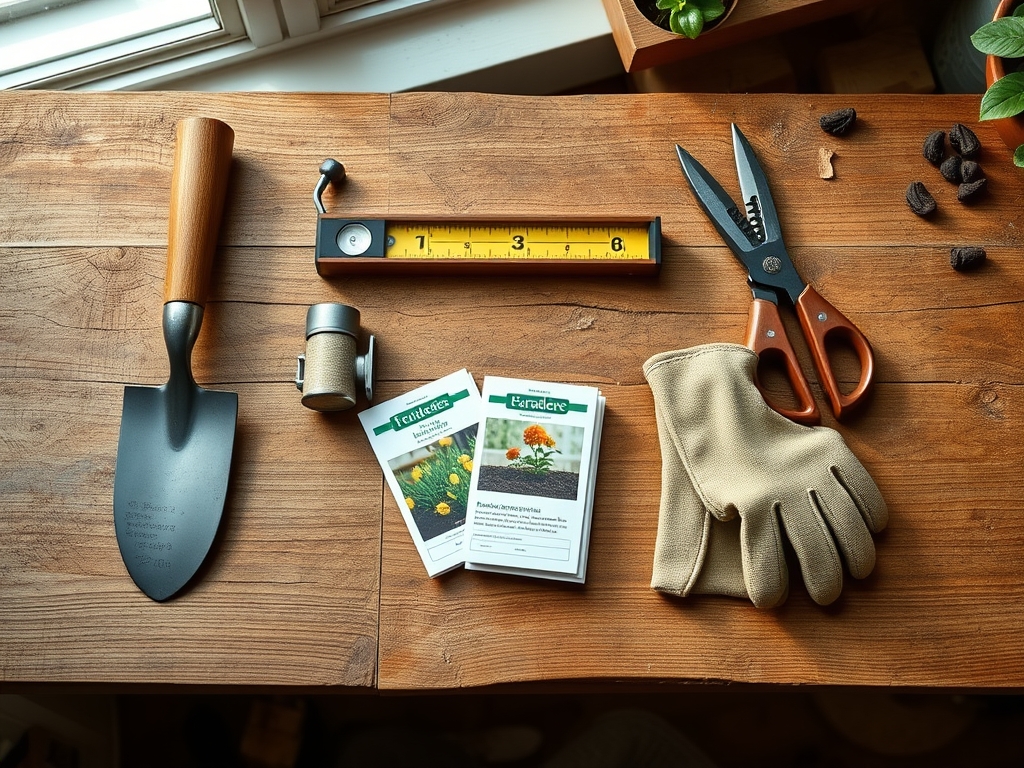
The foundation of any renovation is the substrate. For high performance garden beds, aim for a **friable loam** consisting of 40 percent sand, 40 percent silt, and 20 percent clay. This texture ensures a high **Cation Exchange Capacity (CEC)**, typically between **15 and 25 meq/100g**, allowing for efficient nutrient retention. Before grading, test the soil pH; most temperate ornamentals require a range of **6.2 to 6.8**.
For the initial leveling phase, you will need a 48 inch box level, a transit level or rotary laser, and graduated stakes. When amending the soil for the renovation, focus on specific NPK ratios based on the plant's life cycle. A balanced 10-10-10 granular fertilizer is standard for general site preparation, but if you are establishing woody perennials, a 5-10-5 ratio encourages phosphorus-driven root development without triggering excessive vegetative growth that may be susceptible to early frost damage. Ensure the organic matter content remains at a steady 5 percent to support the microbial community.
Timing:
Successful renovation requires strict adherence to the Biological Clock of the local ecosystem. In Hardiness Zones 5 through 7, major grading and structural leveling should occur either in the dormant window of late winter or the cooling period of early autumn. This avoids the high transpiration demands of mid summer.
The transition from the vegetative stage to the reproductive stage is a critical physiological marker. Leveling near established trees must be done before the "bud break" in spring to minimize stress on the vascular system. If you are working in Zone 8 or higher, avoid soil compaction during the rainy season. Wet soil loses its structure when compressed by heavy equipment; this destroys the macropores necessary for gas exchange. Monitor the frost-date windows in your specific microclimate. All grading must be settled and mulched at least six weeks before the first hard freeze to allow the soil profile to stabilize and the soil biota to adjust to the new topography.
Phases:

Sowing and Site Preparation
Before a single seed or plug enters the ground, the subgrade must be verified. Use a string level pulled taut between two stakes to establish a "benchmark" height. For every 10 feet of horizontal distance, the grade should drop at least 2 inches to facilitate drainage. This prevents the accumulation of salts and pathogens in the upper soil horizons.
Pro-Tip: Proper leveling prevents localized hypoxia. When water stagnates, it triggers auxin suppression in the roots; this halts upward growth and leads to stunted, chlorotic specimens.
Transplanting with Precision
When moving established plants during a renovation, the level ensures the new planting hole matches the original root flare depth. Use a straight edge and a level across the hole. Planting a tree even 2 inches too deep can lead to stem-girdling roots and eventual senescence.
Pro-Tip: Maintaining the correct depth preserves the mycorrhizal symbiosis already present in the root ball. These fungi require specific oxygen levels found only in the upper 12 inches of the soil profile.
Establishing the Grade
Once the heavy lifting is done, use a landscape rake and a level to create a smooth, finished grade. This prevents "birdbaths" or small depressions where fungal spores can proliferate. The final surface should be firm enough to resist erosion but loose enough to allow for water infiltration.
Pro-Tip: A level surface ensures even light distribution across the canopy. This prevents phototropism issues where plants lean aggressively toward reflected light from uneven slopes or nearby structures.
The Clinic:
Physiological disorders often stem from poor leveling and drainage. Observe the following symptoms to diagnose site-wide issues.
- Symptom: Edema. Small, corky bumps on the underside of leaves.
- Solution: This is caused by high root pressure and low transpiration. Check the grade with a level to ensure the area is not a "sump" for the rest of the yard. Increase drainage by incorporating coarse perlite.
- Symptom: Iron Chlorosis. Yellowing leaves with green veins, usually in new growth.
- Solution: Often caused by high pH or waterlogged soils. Use a level to ensure water is moving. Apply chelated iron and lower the pH using elemental sulfur if it exceeds 7.5.
- Symptom: Nitrogen Deficiency. General chlorosis starting at the bottom of the plant.
- Fix-It: This occurs when nitrogen leaches out of the root zone due to excessive runoff. Level the area to slow water movement and apply a slow-release 20-0-0 fertilizer to restore the nitrogen pool.
Maintenance:
Post-renovation care requires high-precision monitoring. Use a soil moisture meter to verify that the root zone receives exactly 1.5 inches of water per week at the drip line. For woody plants, use bypass pruners to remove any dead or crossing branches that could catch the wind and destabilize the newly leveled soil.
Keep a hori-hori knife on hand for precise weeding; this tool allows you to remove taproots without disrupting the carefully established grade of the bed. Check the level of your retaining walls and paths every spring. Soil settling is inevitable, but a shift of more than 0.5 inches over a 4 foot span indicates a failure in the underlying base material or a drainage blockage that must be addressed immediately.
The Yield:
For those renovating a kitchen garden or cutting garden, the "yield" is the ultimate metric of success. Harvest leafy greens in the early morning when turgor pressure is at its peak; this ensures the longest shelf life. For flowers, use a sharp blade to cut stems at a 45 degree angle and immediately plunge them into 110 degree Fahrenheit water to break air locks in the xylem.
Proper leveling during the renovation phase ensures that every plant in the row receives the same volume of irrigation. This leads to a uniform harvest window. If the grade is uneven, the plants at the lower end will be delayed in maturity due to cooler, wetter soil, while those at the high end may bolt early due to drought stress.
FAQ:
How do I check a slope without a laser level?
Drive two stakes into the ground 10 feet apart. Tie a string between them and use a string level to make it perfectly horizontal. Measure the distance from the string to the ground at both ends to calculate the drop.
Why is my garden bed holding water after leveling?
You may have created a "bathtub effect" by digging into heavy clay and filling it with loose loam. Ensure the subsoil is also sloped at a 2 percent grade before adding your topsoil mix to allow for subsurface drainage.
Can I use a level for building a raised bed?
Yes. A level is essential for the base frame. If the frame is not level, water will accumulate at one end of the bed, leading to uneven nutrient distribution and potential structural rot on the lower side of the timber.
How often should I check the grade of my renovation?
Check the grade after the first three major rain events. This is when the most significant soil settling occurs. Use a 4 foot level to identify any new depressions that need to be filled with supplemental topsoil.