9 Best High-Efficiency Humidifiers for Winter Houseplant Care
Turgor pressure defines the life of a tropical indoor specimen. When a leaf loses its structural rigidity, the cellular vacuoles have emptied; the plant is effectively suffocating in the dry, static air of a heated winter interior. You can smell the change in the room when the relative humidity drops below thirty percent. It is the scent of desiccated peat and the faint, metallic tang of dust settling on stomata. To maintain a collection of high-value aroids or delicate ferns, you must master the atmospheric moisture levels. Choosing the best plant humidifiers is not about aesthetics; it is a technical requirement for preventing leaf margin necrosis and ensuring the continuous transport of nutrients from the rhizosphere to the canopy. In a closed environment, the transpiration rate often exceeds the roots' ability to pull moisture from the substrate. A high-efficiency humidifier bridges this physiological gap by slowing the rate of moisture loss through the leaf surface. This allows the plant to maintain metabolic functions even when the external temperature fluctuates.
Materials:
Atmospheric management is secondary to the substrate. For high-humidity environments, use a friable loam with a **Cation Exchange Capacity (CEC) between 15 and 25 meq/100g**. This ensures the soil can hold onto essential cations like Calcium and Magnesium despite frequent misting or high ambient moisture. Maintain a **soil pH between 5.8 and 6.5** for most tropicals. The NPK ratio should transition based on the light cycle. During low-light winter months, utilize a **5-10-10 formula** to prioritize root development over leggy vegetative growth. If the substrate becomes compacted, the high humidity will trigger anaerobic conditions. Ensure the mix contains at least **thirty percent perlite or coarse orchid bark** to facilitate oxygen exchange within the root zone.
Timing:
Winter care begins when the outdoor ambient temperature drops below fifty degrees Fahrenheit. This usually aligns with Hardiness Zones 5 through 8 in late October. As the furnace activates, the relative humidity in a standard home can plummet to ten percent, which is lower than the average humidity of the Sahara Desert. The plant's biological clock shifts into a maintenance phase. During this transition from the vegetative stage to a slower metabolic state, the photoperiod decreases. You must synchronize your humidification schedule with the light cycle. Run humidifiers during the day when stomata are open for gas exchange. As the plant enters its nocturnal phase, reduce output to prevent fungal pathogens from colonizing the leaf surface in stagnant, cool air.
Phases:
Sowing and Germination
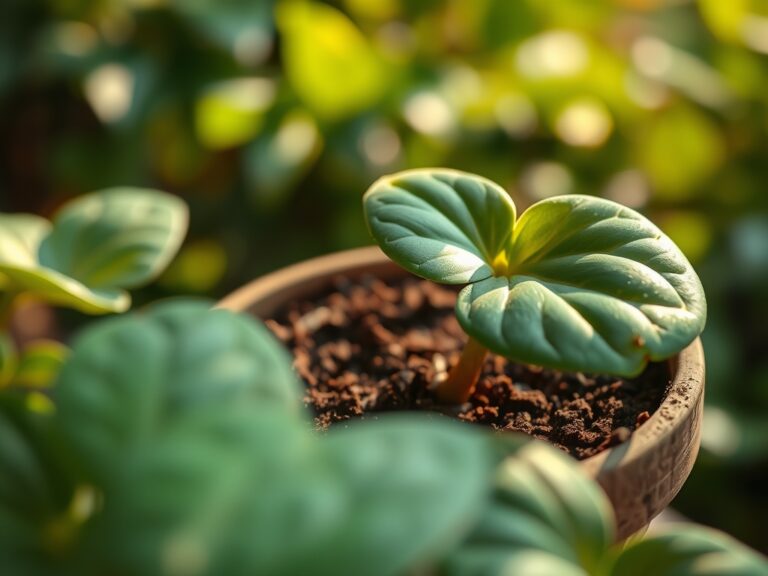
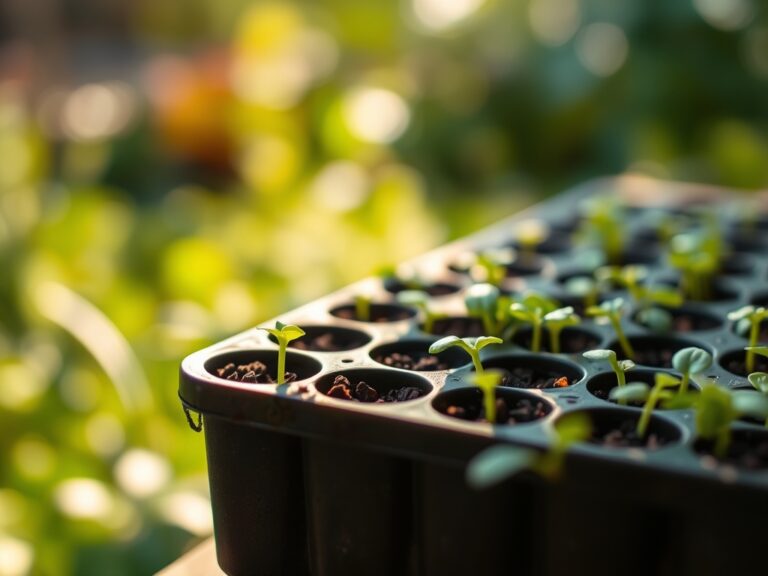
For starting seeds in winter, ultrasonic humidifiers provide a cool mist that does not overheat the delicate germinal tissue. Maintain a constant eighty percent humidity until the first true leaves emerge.
Pro-Tip: High humidity during germination prevents the seed coat from hardening and trapping the cotyledons. This ensures the plant does not waste limited glucose reserves on mechanical struggle; a biological process known as successful emergence.
Transplanting
When moving a plant to a larger vessel, the root hairs are compromised. Increasing the ambient humidity to seventy percent for the first ten days post-transplant reduces the transpiration pull.
Pro-Tip: Reducing transpiration through high humidity allows the plant to focus energy on mycorrhizal symbiosis. This fungal partnership expands the root system's reach but requires a stable, moist environment to establish the initial hyphal network.
Establishing
Once a plant is established, the goal is a consistent fifty-five to sixty-five percent humidity. Use an evaporative humidifier for larger rooms to prevent the "white dust" associated with mineral-heavy tap water.
Pro-Tip: Consistent moisture levels regulate auxin distribution. Sudden drops in humidity can cause localized auxin suppression, leading to premature leaf abscission or distorted new growth as the plant attempts to seal off its most vulnerable tissues.
The Clinic:
Symptom: Tip Burn and Brittle Edges. This indicates a lack of ambient moisture or excess salt buildup in the substrate. Solution: Increase humidifier output to reach a minimum of fifty percent RH and flush the soil with distilled water.
Symptom: Interveinal Chlorosis. Yellowing between green veins suggests a Magnesium deficiency, often exacerbated by cold, wet soil. Solution: Apply a foliar spray of one teaspoon Epsom salts per gallon of water and increase the room temperature to sixty-eight degrees Fahrenheit.
Symptom: Edema. Small bumps or blisters on the underside of leaves. This occurs when the plant absorbs more water than it can transpire. Solution: Improve air circulation using a small fan and reduce the humidifier's output during the night.
Fix-It for Nitrogen Chlorosis: If lower leaves turn pale green or yellow, the plant is scavenging Nitrogen for new growth. Apply a balanced 10-10-10 water-soluble fertilizer at half strength to restore the leaf's chlorophyll density.
Maintenance:
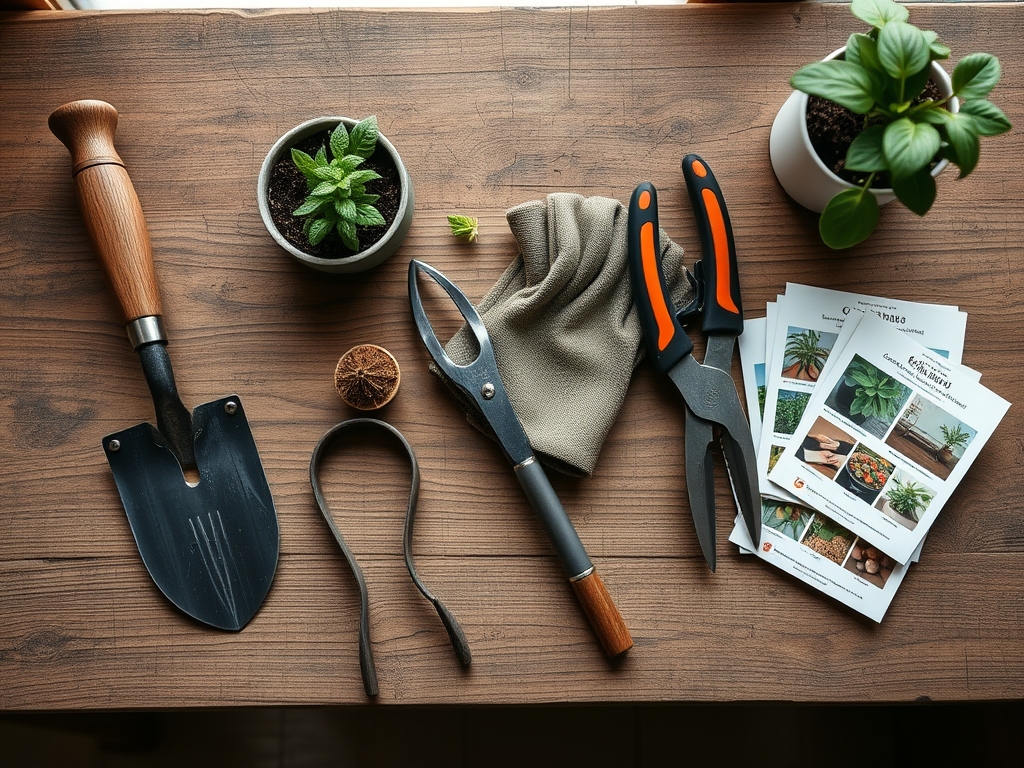
Precision is the difference between a surviving plant and a thriving one. Use a soil moisture meter daily to ensure the top two inches of soil have dried before adding more water. Most indoor plants require approximately one inch of water per week delivered directly to the root zone. Avoid wetting the crown of the plant. Use a hori-hori knife to check for soil compaction every three months; if the blade does not slide in easily, the soil needs aeration. Keep your bypass pruners sharp and sterilized with isopropyl alcohol to remove any necrotic tissue. This prevents the spread of opportunistic pathogens that thrive in the high-humidity environment created by your best plant humidifiers. Clean the humidifier tanks weekly with a weak vinegar solution to prevent biofilm accumulation.
The Yield:
For those growing indoor herbs or citrus, harvest during the morning when turgor pressure is at its peak. Use sharp snips to make a clean cut at a forty-five degree angle just above a node. This maximizes the surface area for water uptake if the cuttings are placed in a vase. To maintain day-one freshness, place harvested greens in a sealed container with a damp paper towel and refrigerate at forty degrees Fahrenheit. This slows the process of senescence and preserves the volatile oils responsible for flavor and aroma.
FAQ:
What is the ideal humidity for most houseplants?
Most tropical houseplants thrive between fifty and sixty percent relative humidity. High-value specimens like Calathea or certain Orchids may require levels upwards of seventy percent to prevent leaf tip desiccation and maintain cellular turgor.
Can I use tap water in my humidifier?
Ultrasonic humidifiers aerosolize minerals, creating white dust that clogs plant stomata. Use distilled or demineralized water to protect plant respiration. Evaporative humidifiers are more forgiving with tap water but require frequent filter changes to prevent mineral buildup.
How do I know if my humidifier is working?
Use a digital hygrometer placed at canopy level. Monitor for a consistent increase in relative humidity and observe the plants for signs of health: new growth should be supple, and leaves should maintain a firm, upright posture without drooping.
Where should I place the humidifier?
Position the unit three to five feet away from the plants. Airflow must allow the mist to dissipate before it settles directly on the foliage. Direct contact with constant moisture can encourage fungal pathogens and localized tissue rot.