6 Fall Harvest Steps to Prepare Your Garden for Success
The late-summer soil radiates stored heat as you rake back spent tomato vines and pull withered cucumber stems. Your hands sink into warm, compacted earth that has given all summer and now needs restoration. How to prepare a garden for a fall vegetable garden requires reversing nutrient depletion, rebuilding soil structure, and timing plantings to mature before hard frost. The difference between a productive fall harvest and bolted, bitter greens lies in six methodical steps executed between mid-July and early September.
Materials
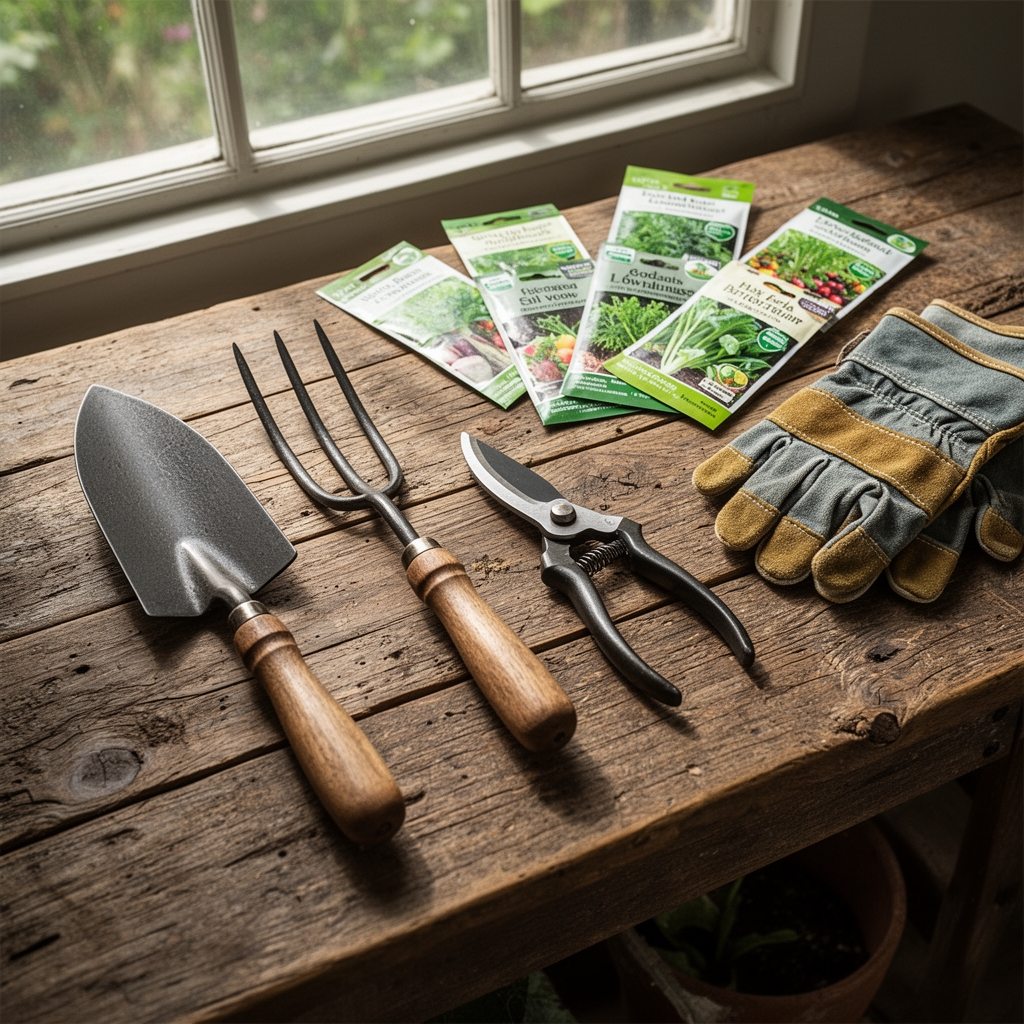
Begin with a soil test kit measuring pH, nitrogen, phosphorus, and potassium. Target pH 6.2-6.8 for brassicas and leafy greens. Acidic soils below 6.0 require dolomitic limestone at 5 pounds per 100 square feet to raise pH by one point. Alkaline soils above 7.2 need elemental sulfur at 1 pound per 100 square feet.
Balanced organic fertilizer in 4-4-4 or 5-5-5 NPK ratios supplies steady nutrition. Avoid high-nitrogen formulas above 10-5-5 that promote excessive leaf growth at the expense of root development. Compost aged six months or longer provides 1-1-1 slow-release nutrients and improves cation exchange capacity by 20-40 percent.
Mycorrhizal inoculant containing Glomus intraradices and Rhizophagus irregularis species colonizes root systems within 14 days. This symbiotic relationship increases phosphorus uptake by 300 percent in cool soils below 60°F. Row cover fabric in 0.55-ounce weight protects transplants from flea beetles while transmitting 85 percent of available light.
Timing
Zone 5 gardeners count backward 10-12 weeks from first frost, typically October 1-15. Transplant by August 1 for crops requiring 60-70 days to maturity. Zone 6 extends the window to August 15. Zone 7 allows transplanting through August 30 with row cover protection.
Direct-sown crops need earlier starts. Radishes, turnips, and Asian greens germinate in 4-7 days and mature in 30-45 days. Sow these from mid-August through mid-September in zones 5-7. Lettuce requires 50-60 days and tolerates light frost to 28°F. Plant by August 10 in zone 5, August 25 in zone 6.
Soil temperature governs germination rates more than air temperature. Carrot seeds germinate at 50°F soil but take 17 days compared to 7 days at 68°F. Use a soil thermometer at 2-inch depth for accurate readings. Morning readings below 60°F indicate delayed emergence for most fall crops.
Phases
Sowing Phase
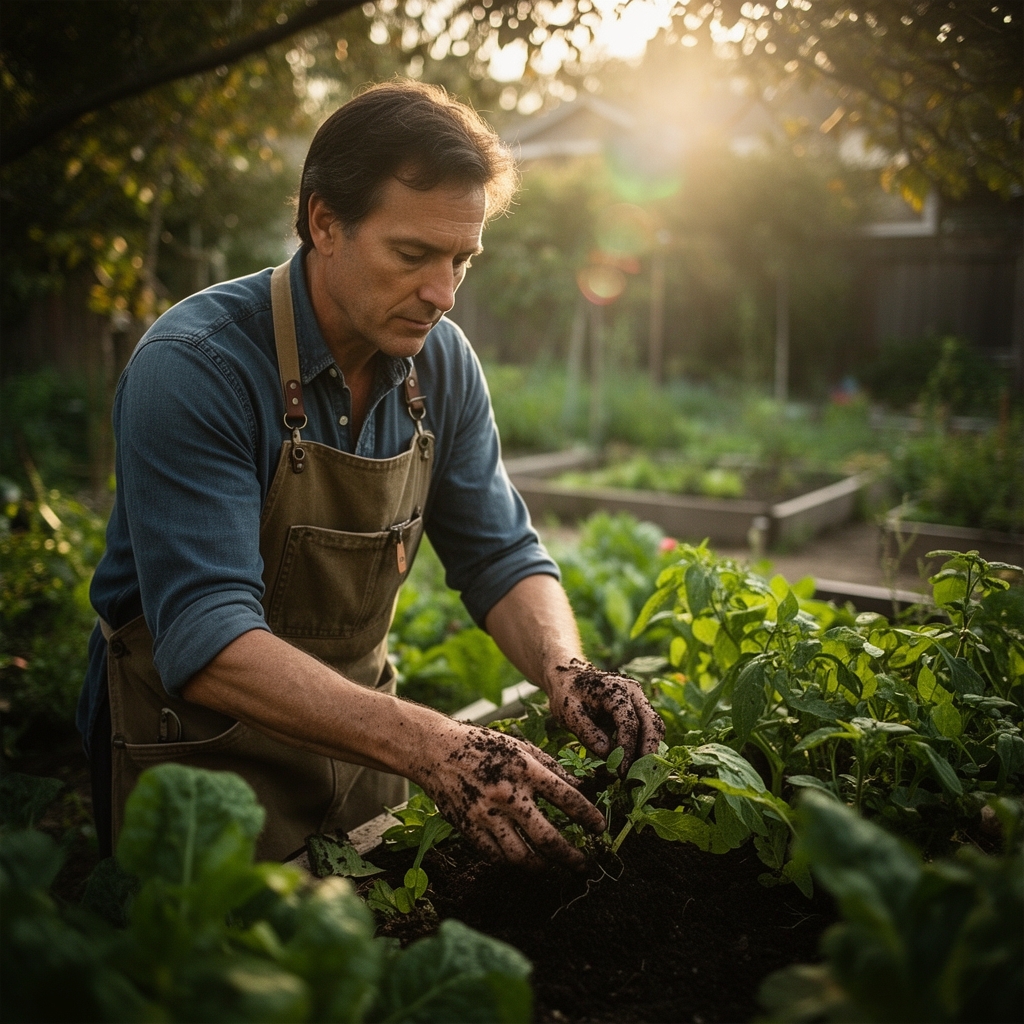
Remove all summer crop residue and roots to eliminate disease harboring sites. Till or broadfork to 8-inch depth to break compaction layers formed during summer irrigation. Incorporate compost at 1 cubic yard per 100 square feet, broadcasting evenly before working into top 4 inches.
Broadcast balanced fertilizer at label rates, typically 2-3 pounds per 100 square feet for 4-4-4 formulations. Rake beds level with crowns 3-4 inches above pathways for drainage. Create furrows at spacing specific to crop: 12 inches for kale, 6 inches for lettuce, 3 inches for spinach.
Pro-Tip: Apply mycorrhizal inoculant directly in furrows at 1 teaspoon per 10 row-feet before sowing. Direct seed contact activates germination-triggered exudates that attract fungal spores within 48 hours.
Transplanting Phase
Start seedlings indoors 4-6 weeks before transplanting. Bottom heat at 70-75°F accelerates germination to 3-5 days for brassicas. Harden off seedlings by reducing water 20 percent and exposing to outdoor conditions 2 hours daily, increasing to 8 hours over one week.
Transplant in late afternoon or overcast conditions to reduce transplant shock. Dig holes 1 inch deeper than rootball depth. Set transplants at same soil line as container, never burying stems. Brassicas tolerate deeper planting to first true leaves, promoting adventitious root formation along buried stems.
Pro-Tip: Pinch off lowest leaves and plant brassica transplants 2 inches deeper than nursery depth. Auxin distribution shifts to buried nodes, creating secondary root systems that access moisture 4-6 inches deeper than standard transplants.
Establishing Phase
Water transplants with 1 cup per plant immediately after setting. Apply 1 inch of water per week through soaker hoses or drip irrigation. Overhead watering invites fungal diseases on brassica foliage in humid fall conditions.
Mulch pathways with 3 inches of straw or shredded leaves to suppress weeds and moderate soil temperature. Keep mulch 2 inches away from plant crowns to prevent rot. Install row covers immediately over transplants, securing edges with soil or landscape staples.
Pro-Tip: Spray transplant foliage with kelp extract at 1 tablespoon per gallon every 7 days for three weeks. Cytokinins in kelp promote root hair density, increasing nutrient uptake surface area by 150 percent during establishment.
Troubleshooting
Symptom: Purple undersides on brassica leaves with stunted growth.
Solution: Phosphorus deficiency in cold soil below 55°F. Side-dress with bone meal at 1/4 cup per plant. Phosphorus becomes immobile in cool soil as microbial activity slows.
Symptom: Holes in leaves with metallic-green beetles 1/16 inch long.
Solution: Flea beetle feeding damage. Apply kaolin clay at 4 tablespoons per gallon, coating all leaf surfaces. Reapply after rain. Clay particles deter feeding without toxicity.
Symptom: Lettuce plants elongate and form seed stalks in August heat.
Solution: Premature bolting triggered by temperatures above 75°F combined with long daylength. Plant bolt-resistant varieties like 'Muir' or 'Nevada.' Provide afternoon shade using 30 percent shade cloth.
Symptom: White powdery coating on squash and cucumber leaves.
Solution: Powdery mildew (Erysiphe cichoracearum). Spray potassium bicarbonate at 1 tablespoon per gallon weekly. Fungal spores germinate in 90 percent humidity common in September mornings.
Symptom: Carrot roots fork into multiple sections.
Solution: Nitrogen excess or soil obstruction. Avoid fresh manure within 6 months of planting. Remove rocks and break up clay layers to 10-inch depth before sowing.
Maintenance
Apply 1 inch of water weekly measured with rain gauge. Fall crops require consistent moisture for cellular expansion. Irregular watering causes tip burn in lettuce and splitting in root crops.
Side-dress nitrogen-demanding crops like kale with blood meal at 1/2 cup per 10 row-feet four weeks after transplanting. Scratch into soil 3 inches from plant stems and water thoroughly. Nitrogen leaches rapidly in fall rains exceeding 2 inches weekly.
Scout for cabbage worms every 3 days. White butterflies lay eggs on brassica undersides. Hand-pick green larvae or spray Bacillus thuringiensis at label rates. Bt degrades in UV light within 48 hours, requiring reapplication.
Remove row covers when daytime temperatures remain below 70°F, typically mid-September in zone 5. Covers trap heat and promote bolting in cooling-season crops. Replace covers when frost threatens, protecting to 28°F.
Thin direct-sown crops when seedlings reach 2 inches tall. Space lettuce to 6 inches, carrots to 2 inches, beets to 4 inches. Crowded plants compete for light, producing weak stems susceptible to damping-off fungi.
FAQ
When should I start preparing soil for fall vegetables?
Begin soil preparation 2-3 weeks before sowing or transplanting, typically mid-July in zones 5-6. This allows amendments to integrate and microbial populations to reestablish after summer depletion.
Can I plant fall crops where summer crops grew?
Practice rotation by avoiding same-family plantings. Never follow tomatoes with potatoes or peppers. Never follow cabbage with broccoli or kale. Rotate to legumes or different families to break disease cycles.
Do fall vegetables need fertilizer if I added compost?
Compost provides 1-1-1 NPK ratios insufficient for heavy feeders like kale and collards. Supplement with balanced fertilizer at half spring rates since shorter growing seasons require less total nutrition.
How late can I plant lettuce for fall harvest?
Plant lettuce 6 weeks before first frost in zones 5-6, 8 weeks in zone 7. Slow growth in cooling temperatures extends maturity windows. Row covers protect mature heads to 25°F for extended harvest.
Should I remove or leave fall crop roots over winter?
Leave brassica and legume roots intact. Decomposing roots create channels for water infiltration and air exchange. Root exudates feed overwintering soil microbes, maintaining populations through dormancy.