7 Hardy Steps to Prepare a Drought-Tolerant Vegetable Garden
Growing vegetables in arid climates demands soil structure that holds moisture while draining quickly enough to prevent root rot. When you learn how to prepare a garden for a drought tolerant vegetable garden, you are building a living reservoir that anchors plants through 90-degree days and weeks without rain. The topsoil becomes a sponge of organic matter, mineral particles, and fungal networks that pull water horizontally through the root zone rather than letting it evaporate or percolate beyond reach.
Materials
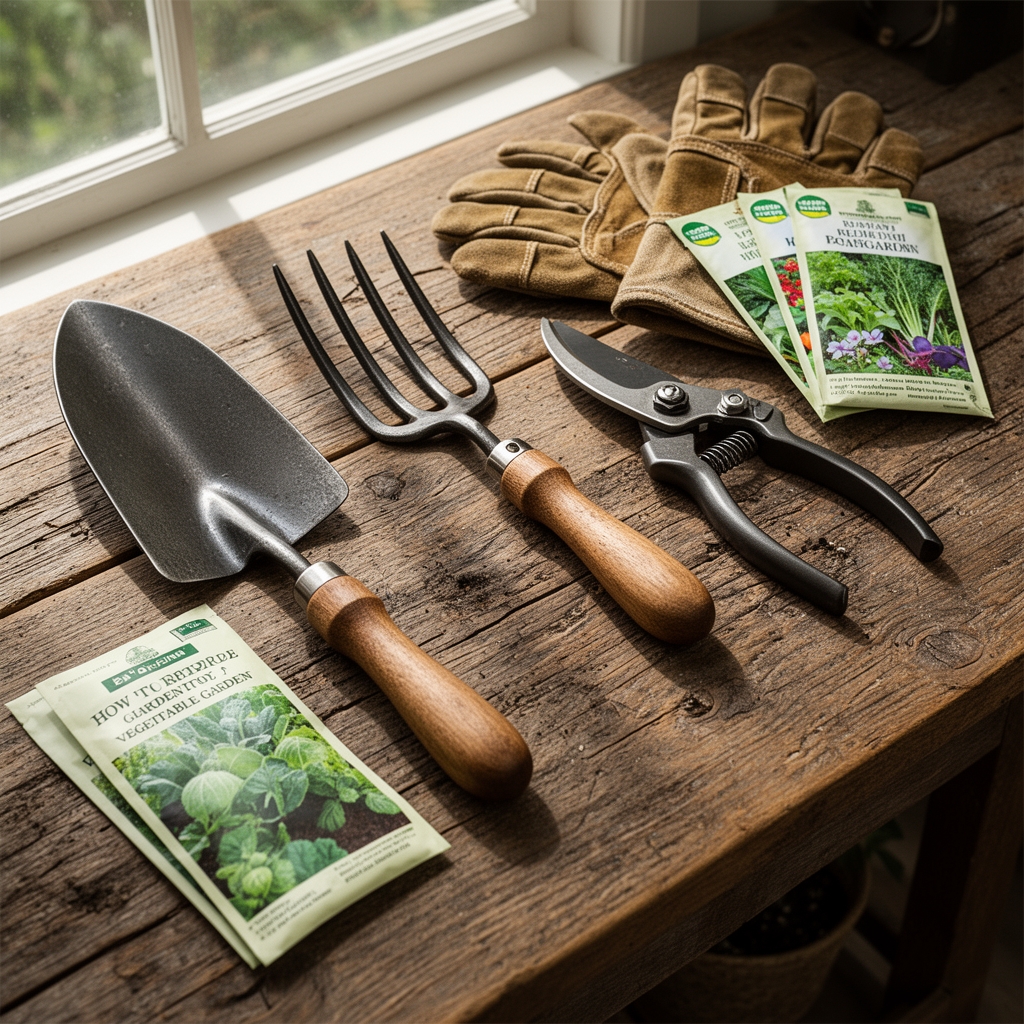
Select a balanced organic fertilizer rated at 4-4-4 or 5-5-5 to avoid the salt accumulation that synthetic blends cause in low-rainfall environments. Compost should test between pH 6.0 and 7.0 with a cation exchange capacity above 60 meq/100 g, ensuring the soil binds calcium and magnesium without leaching. Incorporate 3 inches of aged manure or leaf mold per 100 square feet to boost water-holding capacity by 15 to 20 percent. Add worm castings at 10 pounds per 50 square feet for microbial inoculation. Include mycorrhizal fungi powder (Glomus intraradices or Rhizophagus irregularis) at 1 ounce per transplant hole to extend root surface area by up to 700 percent. Purchase mulch in the form of straw, shredded bark, or wood chips. Avoid fresh wood chips with a carbon-to-nitrogen ratio above 400:1, which tie up nitrogen during decomposition.
Timing
Planting windows hinge on your USDA Hardiness Zone and the final spring frost date. In Zones 7 through 9, begin soil preparation six weeks before the last frost, typically mid-February to late March. Zones 4 through 6 require a late-April to mid-May start. Fall gardens in hot climates (Zones 8 to 10) benefit from August preparation, when daytime temperatures drop below 95 degrees Fahrenheit and soil retains residual warmth for root establishment. Allow four weeks between initial tilling and transplanting so that organic matter begins decomposition and pH stabilizes. Conduct a soil test in early winter, eight to ten weeks before bed construction, to adjust lime or sulfur applications before microbial activity peaks.
Phases
Sowing Phase
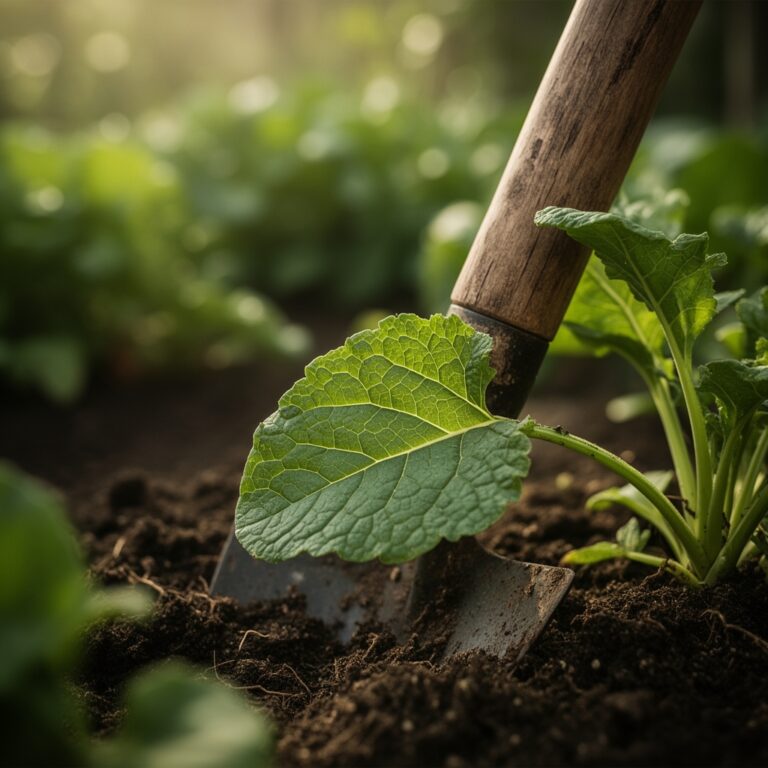
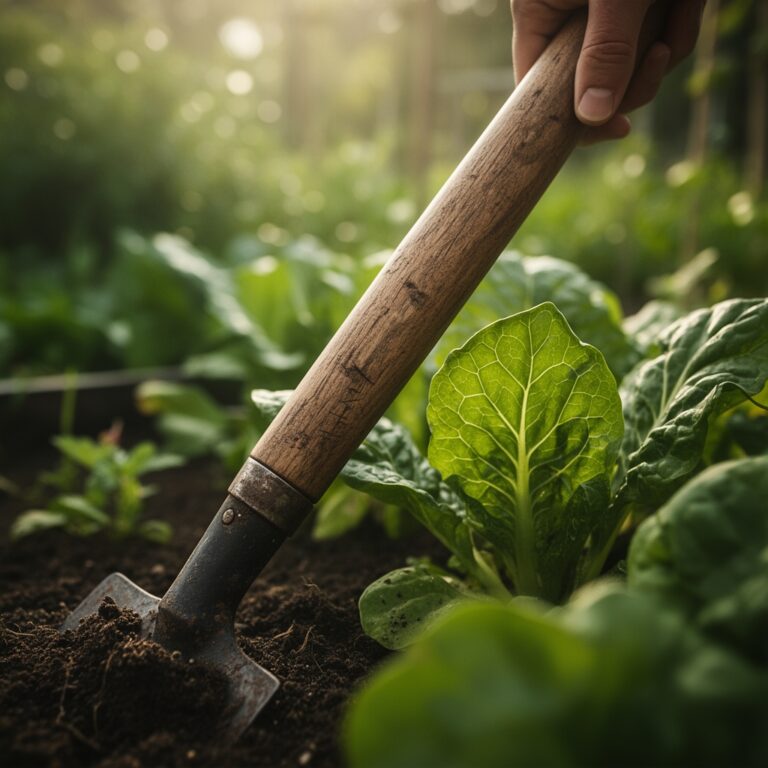
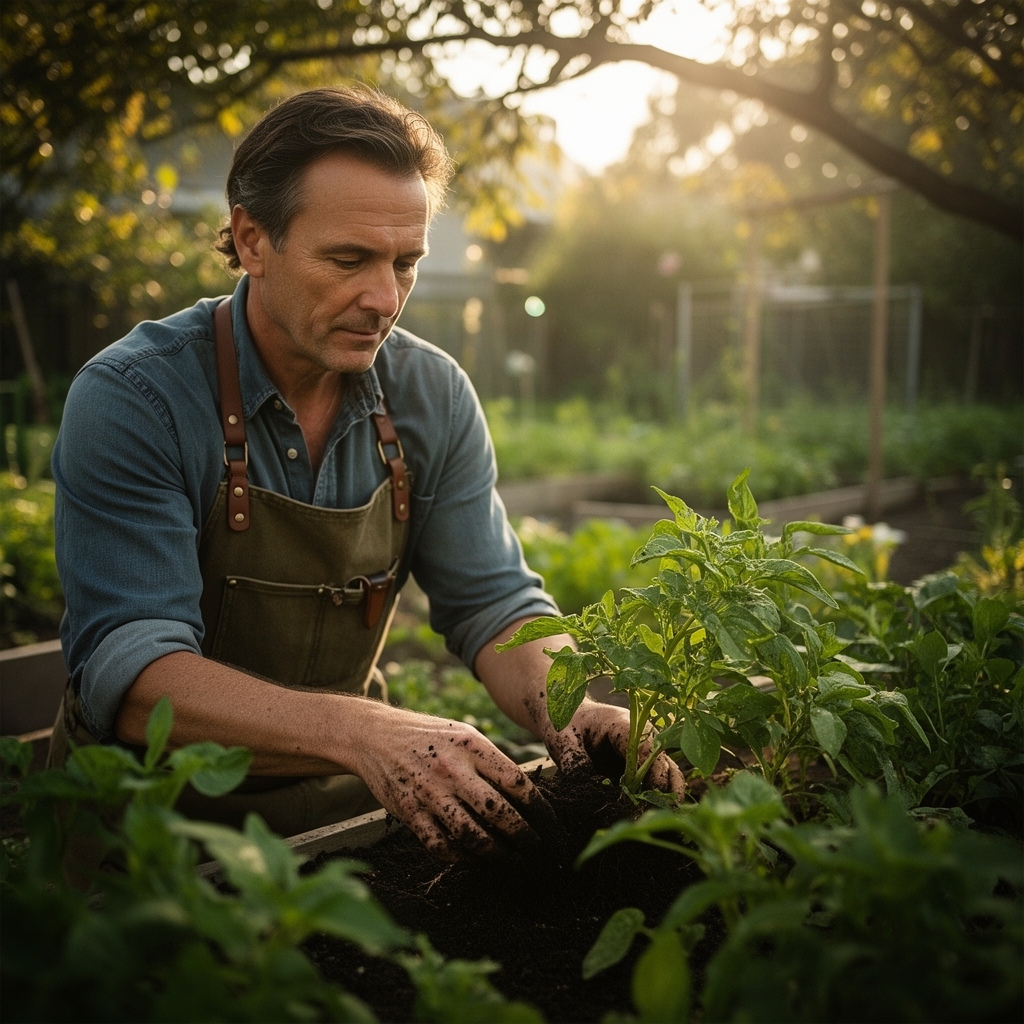
Break ground to a depth of 12 inches using a broadfork or double-digging method to fracture compacted layers. Spread compost evenly across the bed and work it into the top 8 inches. Rake the surface to a fine tilth, removing rocks larger than 1 inch. Broadcast or drill seeds at twice the density recommended for irrigated gardens, then thin seedlings to proper spacing once they reach 3 inches tall. This overseeding compensates for germination failures in dry topsoil.
Pro-Tip: Soak seeds in a 0.5 percent kelp solution for 12 hours before sowing to boost auxin distribution and accelerate radicle emergence by 24 to 48 hours.
Transplanting Phase
Dig planting holes 6 inches wider than root balls and mix 1 tablespoon of mycorrhizal powder into the bottom of each hole. Set transplants at the same depth they occupied in containers, firming soil around the stem to eliminate air pockets. Water each plant with 1 quart of diluted fish emulsion (1 tablespoon per gallon) to establish hydraulic contact between roots and soil particles. Space tomatoes 30 inches apart, peppers 18 inches, and squash 36 inches to reduce competition for subsurface moisture.
Pro-Tip: Transplant in late afternoon or on overcast days to minimize transpiration stress. Leaf stomata close partially in lower light, reducing water loss by 30 percent during the first 48 hours.
Establishing Phase
Apply a 4-inch layer of straw mulch around each plant, keeping material 2 inches away from stems to prevent crown rot. Install drip irrigation tubing beneath the mulch layer, positioning emitters 4 inches from plant bases. Run the system for 45 minutes every three days during the first two weeks, then reduce frequency to twice weekly. Monitor soil moisture at 6-inch depth using a probe or your finger; soil should feel cool and slightly damp, not wet.
Pro-Tip: Prune lower leaves on tomato and pepper plants at a 45-degree angle once stems reach 12 inches tall. This redirects carbohydrate reserves to root expansion rather than foliage maintenance.
Troubleshooting
Symptom: Leaves curl upward with brown edges; soil pulls away from bed sides.
Solution: Increase drip irrigation duration to 60 minutes per session and add 2 more inches of mulch to reduce evaporation by 40 percent.
Symptom: Blossom-end rot appears on tomatoes and peppers as sunken black spots.
Solution: Apply calcium chloride foliar spray at 1 tablespoon per gallon weekly for three weeks. Ensure consistent soil moisture; fluctuating water availability blocks calcium uptake through xylem vessels.
Symptom: Stunted growth with pale green foliage despite adequate water.
Solution: Side-dress with blood meal (12-0-0) at 2 tablespoons per plant or apply compost tea at 1 gallon per 10 square feet. Low nitrogen often results from rapid organic matter decomposition in hot, dry soils.
Symptom: Aphids cluster on new growth.
Solution: Spray insecticidal soap at 5 tablespoons per gallon, targeting leaf undersides. Release ladybugs (Hippodamia convergens) at 1,500 adults per 500 square feet for biological control.
Maintenance
Provide 1 inch of water per week through drip irrigation or soaker hoses, measured by placing a tuna can under an emitter and timing until it fills. Refresh mulch layers every six weeks to maintain a consistent 4-inch depth. Side-dress plants every four weeks with a 3-3-3 organic fertilizer at 1 cup per 10 feet of row. Weed weekly by hand-pulling rather than hoeing to avoid damaging shallow feeder roots. Prune indeterminate tomatoes to a single stem, removing suckers at 1 inch long. Harvest vegetables at peak ripeness to redirect plant energy toward root deepening instead of seed production.
FAQ
How deep should I prepare soil for drought-tolerant vegetables?
Work organic matter into the top 12 inches. Root crops like carrots and parsnips need loose soil to 18 inches.
Can I use gravel as mulch?
Gravel reflects heat and raises soil temperature by 10 degrees, stressing roots. Use organic mulch instead.
Which vegetables tolerate drought best?
Tomatoes, peppers, eggplant, beans, and summer squash adapt well once roots reach 24 inches deep.
How often should I water newly transplanted seedlings?
Daily for the first week, then every other day for week two. Transition to twice weekly by week three.
Do I need to fertilize drought-tolerant gardens differently?
Apply half the nitrogen you would use in irrigated beds. Excess nitrogen promotes leaf growth at the expense of root development.