9 Steps to Install a Small Ecosystem Pond Near Your Vegetables
The sound of water trickling into soil changes everything about how plants grow. A small pond positioned within 15 feet of your vegetable beds creates a microclimate that moderates temperature swings by 5 to 8 degrees Fahrenheit while attracting pollinators and beneficial insects at a rate three times higher than dry gardens. The steps for installing a vegetable garden pond require precision in liner selection, depth calculation, and edge integration to ensure the system supports rather than competes with your crops. The pond becomes a living reservoir that humidifies the air, hosts nitrogen-fixing bacteria at the margins, and offers a water source that reduces your irrigation workload by approximately 40 percent during peak summer.
Materials
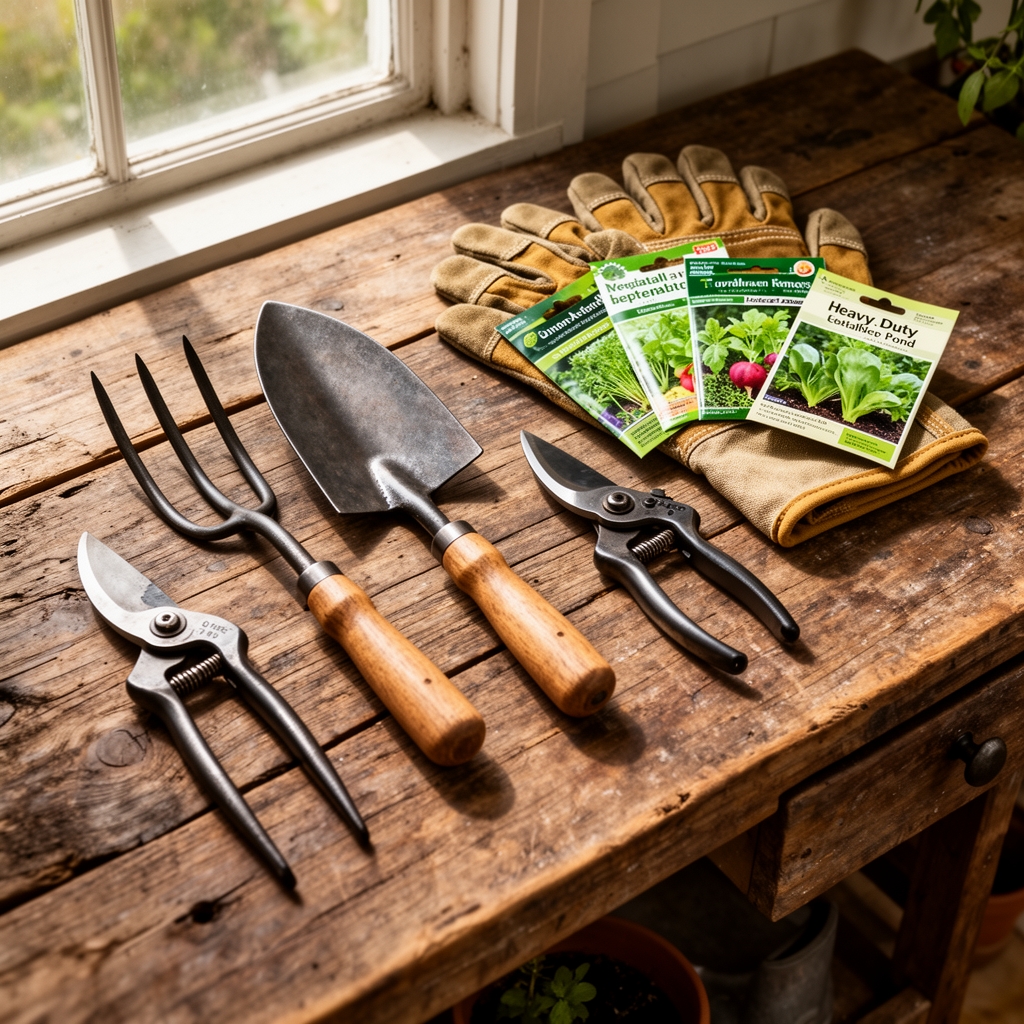
Begin with a 45-mil EPDM rubber liner rated for ultraviolet exposure. This material resists root penetration from aggressive species like horseradish or comfrey planted nearby. Calculate liner dimensions by adding twice the maximum depth plus 2 feet to both length and width measurements.
Underlayment fabric at 8 ounces per square yard prevents puncture from below. You will need one bag of bentonite clay (sodium-based) per 50 square feet if your native soil drains faster than 1 inch per hour. This clay swells to seal microfissures.
Edging stone should be local fieldstone or recycled urbanite. Avoid limestone if you plan to grow acid-loving crops like blueberries within 10 feet, as calcium carbonate leaches into surrounding soil and raises pH above 6.5.
Submerged oxygenating plants require no additional fertilizer. Purchase hornwort, anacharis, or parrot's feather in bundles of six stems per 4 square feet of water surface. Marginal plants such as cattails or sweet flag benefit from a 5-10-5 slow-release granular formula applied once in early May.
Biofilter gravel should be 0.75-inch river rock, prewashed to remove silt. Budget 1 cubic foot per 100 gallons of pond volume to establish denitrifying bacteria colonies.
A recirculating pump rated at 500 gallons per hour for every 1,000 gallons of pond volume maintains dissolved oxygen above 6 parts per million.
Timing
Install the pond in USDA Hardiness Zones 3 through 9 between mid-April and late May, after the final frost date but before intense summer heat. Soil temperatures should stabilize above 50 degrees Fahrenheit to encourage beneficial microbial colonization in the pond substrate.
In Zones 7 through 9, a secondary installation window opens in September. Cooler water temperatures reduce algae bloom risk during the establishment phase. Allow six weeks before the first hard freeze for plants to root into the marginal shelf.
Coordinate pond installation with the transplanting schedule for warm-season crops. Position the excavation phase two weeks before you set out tomato, pepper, and eggplant seedlings so that soil disruption does not damage existing root systems.
Phases

Excavation: Mark a kidney or oval shape using a garden hose. Dig the perimeter first, creating a marginal shelf 8 to 12 inches deep and 12 inches wide. This shelf hosts shallow-water plants. The central basin should reach 24 to 30 inches deep to prevent winter freeze-through in Zones 5 and colder.
Remove rocks larger than 2 inches. Compact the floor and walls with a hand tamper. Spread a 2-inch layer of damp sand over all surfaces, smoothing with a rake.
Pro-Tip: Slope the basin floor 2 degrees toward a sump point. This concentrates sediment for easy removal and simplifies winter draining.
Liner Installation: Lay underlayment first, overlapping seams by 6 inches. Unfold the EPDM liner on a warm day when the rubber is pliable. Anchor the edges with smooth stones, leaving 12 inches of excess material beyond the pond perimeter.
Fill the pond slowly with a hose positioned in the center. The weight of water will pull the liner into contours. Pleat excess material into neat folds rather than cutting prematurely.
Pro-Tip: Add dechlorinator at a rate of 1 ounce per 600 gallons if using municipal water. Chloramine compounds disrupt the nitrogen cycle bacteria require.
Planting: Set marginal plants in fabric pots filled with a 1:1 mix of clay loam and compost. No perlite or vermiculite, as these float. Position pots on the shelf so the crowns sit 4 to 6 inches below the waterline.
Submerge oxygenating plants by attaching them to river rocks with cotton twine. Distribute bundles evenly across the basin floor.
Introduce mycorrhizal fungi inoculant to the soil at the pond's edge. Species such as Glomus intraradices extend hyphal networks that connect pond-margin plants to your vegetable beds, improving phosphorus uptake.
Pro-Tip: Plant aromatic herbs like spearmint or watercress in the marginal zone. Their root exudates contain terpenes that deter aphids and whiteflies from adjacent crops.
Troubleshooting
Symptom: Green water within 10 days of filling.
Solution: Excess nutrients fuel algae blooms. Perform a 25 percent water change and add submerged plants to outcompete algae for dissolved nitrogen. Install a biological filter containing lava rock to house nitrifying bacteria.
Symptom: Liner edges exposed after three weeks.
Solution: Water loss exceeds evaporation norms. Check for punctures along the bottom seam. If none exist, extend liner margins an additional 18 inches and secure with heavier capstone.
Symptom: Mosquito larvae visible at the surface.
Solution: Introduce Gambusia affinis (mosquito fish) at one fish per 20 gallons. Alternatively, deploy Bacillus thuringiensis israelensis dunks. Each dunk treats 100 square feet for 30 days.
Symptom: Marginal plants yellowing after two weeks.
Solution: Nutrient lockout due to high pH. Test water chemistry; if pH exceeds 8.0, lower it to 7.0 using phosphoric acid at 1 milliliter per 10 gallons. Retest in 24 hours.
Symptom: Pump clogs within one month.
Solution: Sediment or leaf litter. Install a pre-filter sponge around the intake. Remove debris weekly during autumn leaf drop.
Maintenance
Add 1 inch of water per week during July and August to offset evaporation. In Zones 6 and colder, reduce water level by 6 inches in November to prevent ice expansion damage to the liner.
Trim dead foliage from marginal plants in mid-March before new shoots emerge. Divide overcrowded clumps every three years to maintain a 60 percent open water surface. This ratio balances habitat with dissolved oxygen.
Clean the pump impeller quarterly by soaking it in white vinegar diluted 1:1 with water. Remove string algae from oxygenating plants by hand every two weeks during peak growth.
Apply liquid kelp fertilizer (0-0-1 NPK ratio) at a rate of 1 tablespoon per 50 gallons in May and July to support trace element availability. Kelp also supplies cytokinins that enhance stress tolerance in nearby vegetables during heat waves.
Test water hardness in March. If calcium levels drop below 50 parts per million, add crushed oyster shell at 1 cup per 100 gallons to stabilize pH and support snail populations.
FAQ
How far should the pond sit from tomato plants?
Maintain a minimum 6-foot buffer. Excessive humidity near the pond increases foliar disease pressure, particularly early blight caused by Alternaria solani.
Can I use pond water for irrigation?
Yes. The water contains dissolved organic matter and beneficial microbes. Avoid using it on seedlings younger than three weeks, as the microbial load may overwhelm tender root systems.
What depth prevents mosquitoes?
A depth of 18 inches or more allows predatory insects like dragonfly nymphs to establish. Combine depth with oxygenating plants to create unsuitable breeding conditions.
Will the pond attract deer?
Deer may drink from the pond but rarely linger if you plant thorny or aromatic species along the approach paths. Rugosa roses and Russian sage form effective deterrents.
How do I winterize in Zone 5?
Remove the pump and store it indoors. Float a rubber ball or pond heater to maintain a small opening in the ice, allowing gas exchange. Do not break ice manually, as shockwaves harm overwintering frogs.