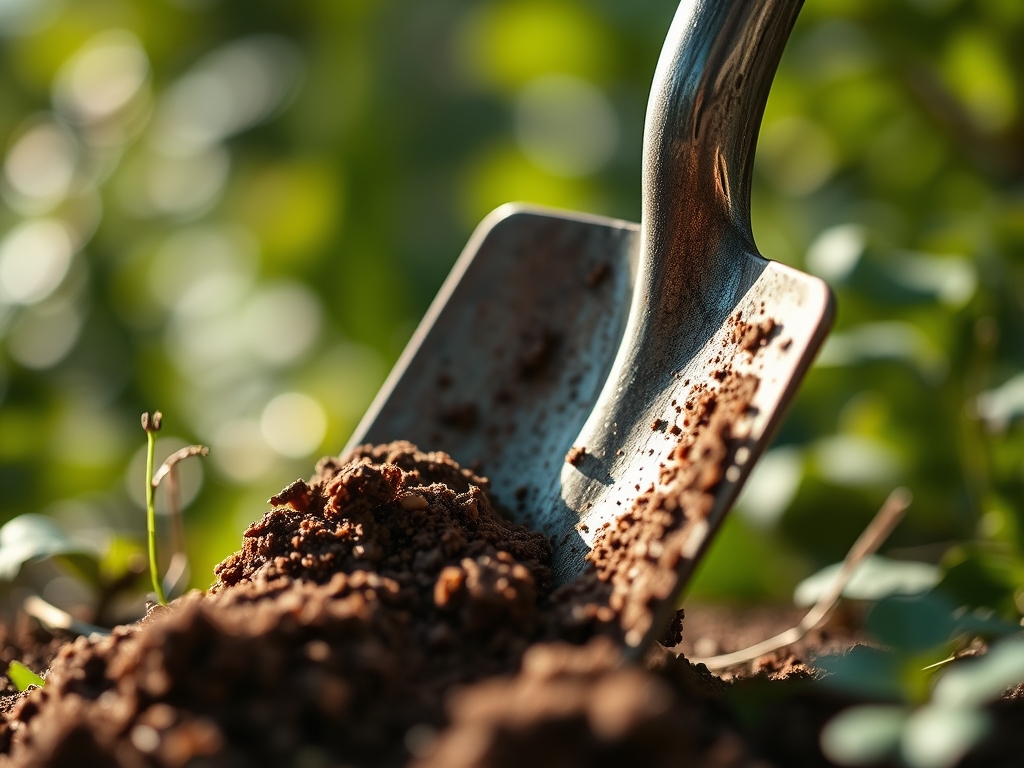
8 Tips to Use a Digging Shovel for Efficient Excavation
Damp earth releases a sharp, geosmin-rich scent when the steel blade severs the root zone. The turgor pressure of a healthy plant depends on the integrity of its rhizosphere; a single careless strike can collapse the vascular system. Using a shovel for exterior design requires more than brute force. It is a calculated manipulation of soil density and topography. Precision excavation ensures that the structural integrity of the landscape remains intact while optimizing the site for high-performance botanical growth.
Effective excavation begins with understanding the mechanical resistance of the substrate. A sharp, forged-steel spade acts as a surgical instrument. It bypasses the compaction layers that restrict gas exchange. When you penetrate the soil profile, you are not just moving dirt; you are managing the oxygen-to-water ratio within the pore spaces. Proper technique minimizes the disturbance of the soil horizons, preserving the delicate balance of microbial life and mineral availability. Master the shovel to transform raw terrain into a functional, biologically active environment.
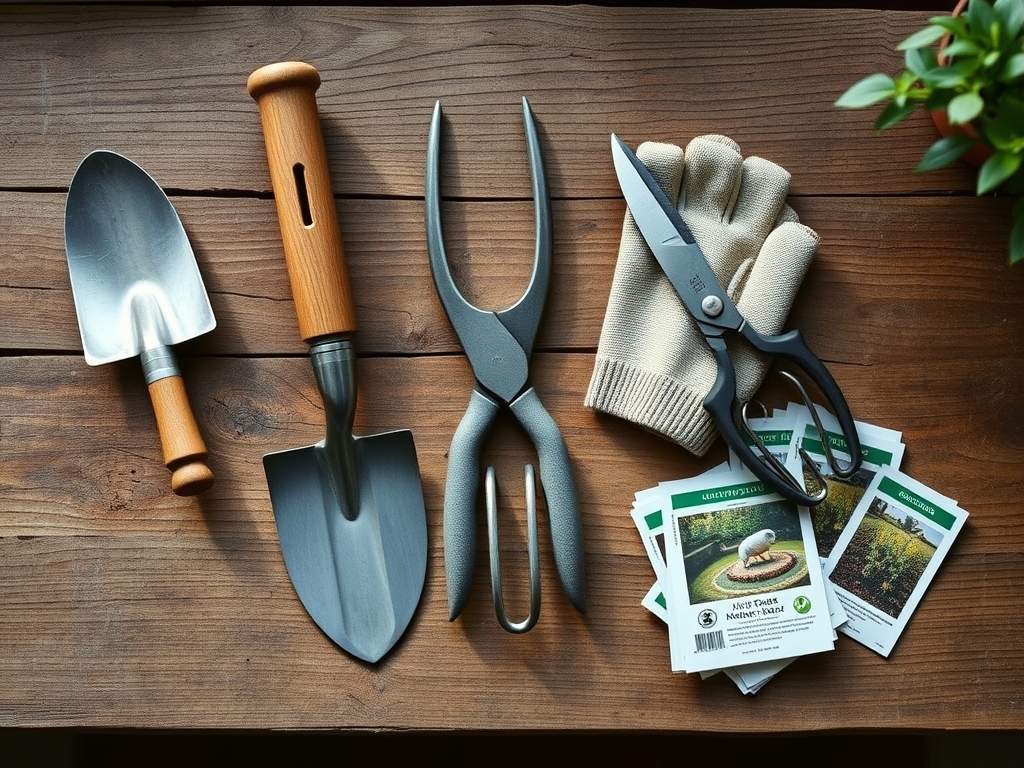
Materials:
The ideal substrate for exterior design is a **friable loam** with a balanced texture of 40 percent sand, 40 percent silt, and 20 percent clay. This composition provides a high Cation Exchange Capacity (CEC), typically ranging from **15 to 25 meq/100g**. High CEC values indicate the soil can effectively hold and exchange essential cations like Calcium (Ca2+) and Magnesium (Mg2+).
Before excavation, test the soil pH. Most ornamental and structural plantings thrive in a range of 6.0 to 7.0. If the pH falls below 5.5, aluminum toxicity becomes a risk. For nutrient management, target specific NPK ratios based on the site goals. A 10-10-10 ratio is standard for general site stabilization, while a 5-10-5 ratio supports root development in newly excavated trenches without overstimulating vegetative growth. Ensure the soil has a bulk density of less than 1.6 g/cm3 to prevent root impedance.
Timing:
Excavation schedules must align with local Hardiness Zones and the biological clock of the regional flora. In Zones 5 through 7, the primary window for major earthmoving opens after the final spring frost, typically when soil temperatures reach a consistent 55 degrees Fahrenheit. Working frozen soil destroys its structure, leading to permanent compaction and reduced infiltration rates.
Observe the transition from vegetative to reproductive stages in surrounding indicator species. Excavation during the "dormant window" (late autumn to early spring) minimizes stress on the local mycology. However, avoid digging during periods of high soil moisture saturation. If a soil sample forms a solid, smeary ball when squeezed, the moisture content is too high for mechanical intervention. Wait for the soil to reach the "plastic limit" to ensure the structural stability of your exterior design features.
Phases:
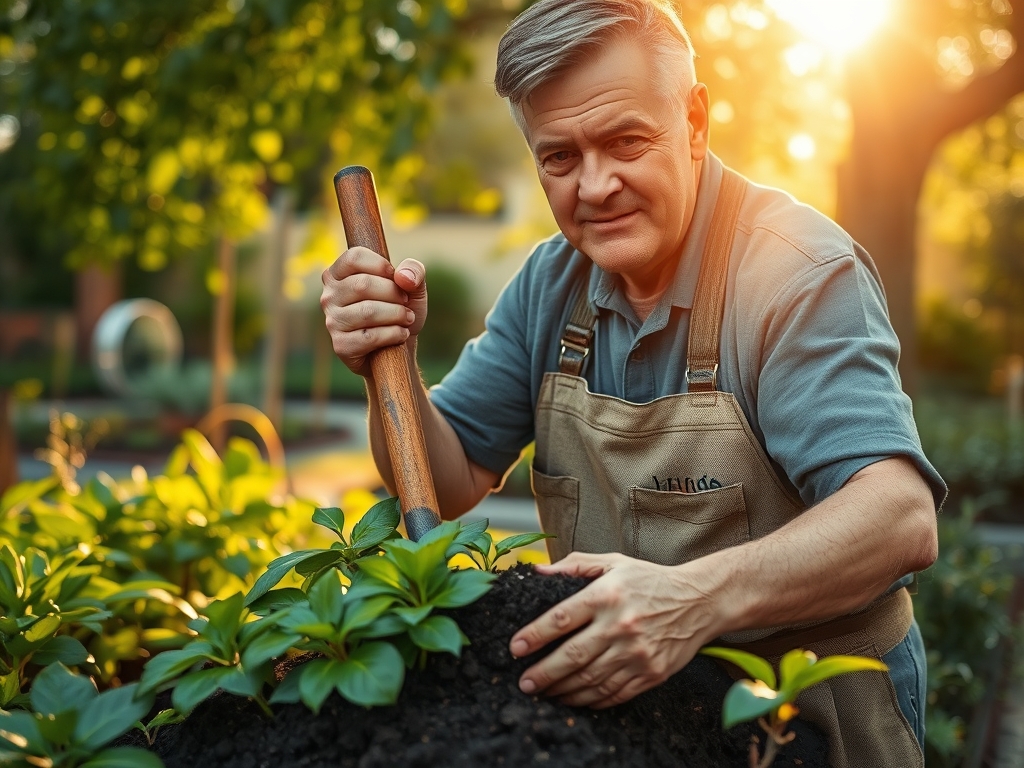
Sowing and Grading
Prepare the site by removing the O-horizon (organic layer) and stockpiling it. Use a flat-head spade to create a level grade. For turf or groundcover sowing, the top 4 inches of soil must be decompressed.
Pro-Tip: Maintain soil porosity to encourage mycorrhizal symbiosis. This fungal relationship increases the root surface area by up to 1,000 times, allowing for superior phosphorus uptake and drought resistance.
Transplanting
When moving large specimens, the shovel must cut a root ball 12 inches in diameter for every 1 inch of trunk caliper. Use a sharp spade to make clean cuts rather than tearing the root tissue.
Pro-Tip: Clean cuts prevent the leakage of excess sap and reduce the risk of pathogen entry. Rapid callous formation is essential for maintaining turgor pressure in the upper canopy during the transition.
Establishing
After placing the plant or structural element, backfill with native soil. Do not over-amend the hole, as this creates a "pot effect" where roots refuse to penetrate the denser native walls. Tamp the soil lightly to remove large air pockets without crushing the macropores.
Pro-Tip: Avoid burying the root flare. Covering the trunk base suppresses auxin flow and can lead to stem-girdling roots, eventually causing premature senescence of the entire plant.
The Clinic:
Physiological disorders often manifest shortly after excavation if the soil physics are ignored.
- Symptom: Leaf wilting despite moist soil.
Solution: Check for "glazing" on the sides of the planting hole. If the shovel blade created a smooth, compressed wall, roots cannot penetrate. Use a hori-hori knife to scarify the walls. - Symptom: Nitrogen chlorosis (yellowing of older leaves).
Solution: This often occurs when high-carbon mulch is mixed into the backfill, causing "nitrogen tie-up." Apply a quick-release 21-0-0 (Ammonium Sulfate) fertilizer to bypass the microbial competition. - Symptom: Iron Chlorosis (yellowing between leaf veins).
Solution: Common in high pH soils (above 7.5). Lower the pH using elemental sulfur or apply chelated iron directly to the rhizosphere.
Maintenance:
Post-excavation care requires precision. Use a soil moisture meter to monitor the hydration levels at a depth of 6 to 8 inches. Most new landscapes require 1.5 inches of water per week delivered at the drip line. Avoid overhead irrigation; use drip emitters to prevent foliar fungal pathogens.
Equip yourself with a hori-hori knife for weeding in tight spaces and bypass pruners for removing damaged roots or branches. Inspect the site for settling. If the soil sinks more than 2 inches, top-dress with a compost-sand mix to maintain the grade without suffocating the root systems.
The Yield:
In exterior design involving fruiting or flowering shrubs, harvest timing is dictated by sugar content and hormone shifts. For woody ornamentals, harvest cuttings during the "softwood" stage in early summer when auxin levels are highest for rooting. For edible yields, monitor the abscission layer. A fruit is ready when it detaches with a slight upward twist, indicating the plant has completed the nutrient transfer. To maintain "day-one" freshness, field-cool the harvest immediately to slow the metabolic rate and prevent rapid senescence.
FAQ:
How do I prevent shovel fatigue during large projects?
Maintain a sharp blade with a mill file. Use your body weight rather than arm strength by stepping onto the shovel shoulder. Keep your back straight and pivot on your lead foot to protect your lumbar spine during soil discharge.
What is the best shovel for heavy clay soil?
A narrow trenching spade or a "sharpshooter" shovel is best. The reduced surface area of the blade decreases suction and friction. This allows for easier penetration of dense clay particles and more efficient removal of heavy clods.
How deep should I dig for a retaining wall base?
Excavate until you reach the subsoil, typically 6 to 12 inches deep. The base must sit below the frost line in colder climates. Fill the first 4 inches with compacted crushed stone to ensure proper drainage and load distribution.
Can I use a shovel to edge my lawn?
Yes, a half-moon edger or a flat-head spade is ideal. Cut vertically 3 inches deep along the perimeter. This severs lateral rhizomes and creates a physical barrier that prevents turf grass from encroaching into your designed garden beds.