7 Recovery Steps to Treat Tropical Cold Shock with Gentle Warmth
When tropical houseplants encounter temperatures below 50°F, cellular membranes stiffen and metabolic pathways grind to a standstill. Leaves wilt within hours, chlorophyll production halts, and root hairs lose turgidity. The steps for treating cold shock with warmth must begin immediately, delivered in controlled increments to prevent secondary stress from rapid temperature swings. A hibiscus or monstera pulled from a 38°F garage cannot simply be placed next to a radiator. The recovery protocol demands precision, patience, and an understanding of how auxin distribution resumes once cellular respiration stabilizes.
Materials

Assemble a balanced 4-4-4 organic fertilizer blend (feather meal, bone meal, kelp) for slow nutrient release once vascular function returns. Keep soil pH between 5.8 and 6.5, measured with a calibrated digital meter. Mycorrhizal inoculant (Rhizophagus irregularis at 300 propagules per gram) supports root regeneration when applied within 48 hours of shock. Have a spray bottle filled with lukewarm water (72°F to 75°F) and a humidity dome or transparent polyethylene sheet. Stock kelp extract (0.1-0.1-0.1) for foliar application; its cytokinins promote cell division without nitrogen flush. A ceramic heater with thermostat control maintains ambient air at 68°F to 72°F. Avoid heat mats unless soil temperature is independently monitored; substrate above 78°F can damage compromised roots.
Timing
Cold shock recovery depends on hardiness zones only insofar as outdoor reintroduction is planned. Indoor recovery begins the moment diagnosis occurs, regardless of calendar date. In USDA Zones 9b through 11, outdoor plants may experience cold shock during rare January cold snaps when temperatures plunge below 45°F for six consecutive hours. Indoor tropicals in any zone face risk during drafty window exposure or unheated room storage. The critical window for intervention spans the first 72 hours post-exposure. After three days, necrotic tissue becomes irreversible, and systemic infection risk climbs. Plan reacclimation over 14 days minimum, with temperature increments no greater than 4°F per 48-hour period.
Phases

Step One: Immediate Isolation
Move the plant to a draft-free space at 60°F. Do not place it in warm air immediately. Cellular ice crystal formation reverses slowly; rapid warming ruptures cell walls. Keep light levels low (50 to 100 foot-candles) for the first six hours to reduce photosynthetic demand.
Step Two: Gradual Temperature Increase
Raise ambient temperature by 3°F every two hours until reaching 68°F. Use a thermostat-controlled heater positioned four feet from the canopy. Monitor leaf surface temperature with an infrared thermometer; it should lag air temperature by 2°F to 4°F. This lag indicates recovering transpiration.
Step Three: Humidity Stabilization
Enclose the plant in a humidity dome or clear plastic tent. Maintain 70% to 80% relative humidity to reduce transpiration stress while stomatal function returns. Vent the enclosure for 15 minutes every six hours to prevent anaerobic conditions at the soil surface.
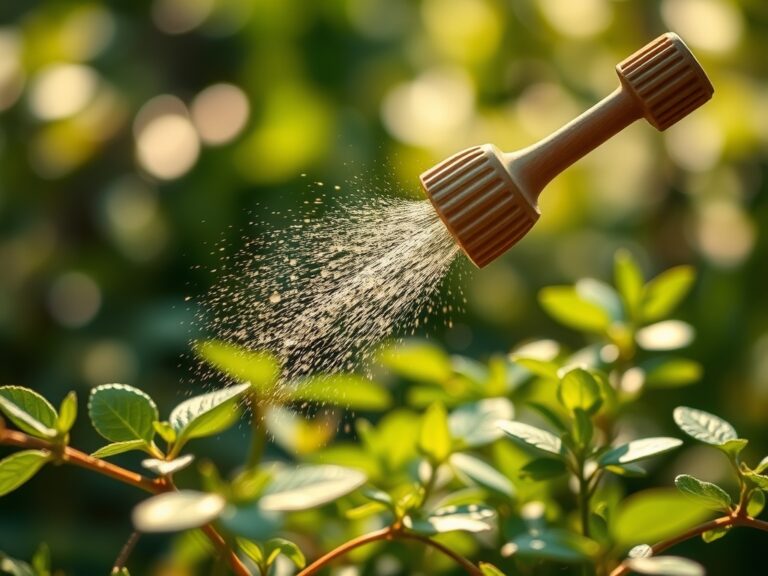
Pro-Tip: Mist foliage with 72°F water containing 1 ml of kelp extract per liter every 12 hours. The laminar application delivers hormones directly to epidermal cells, bypassing compromised vascular tissue.
Step Four: Root Zone Assessment
Check soil moisture without disturbing roots. Cold-shocked substrates often retain water because root uptake has ceased. If soil is saturated, wick excess moisture with paper towels inserted along the pot perimeter. Do not water for 48 hours unless the top two inches are bone dry.
Step Five: Pruning Necrotic Tissue
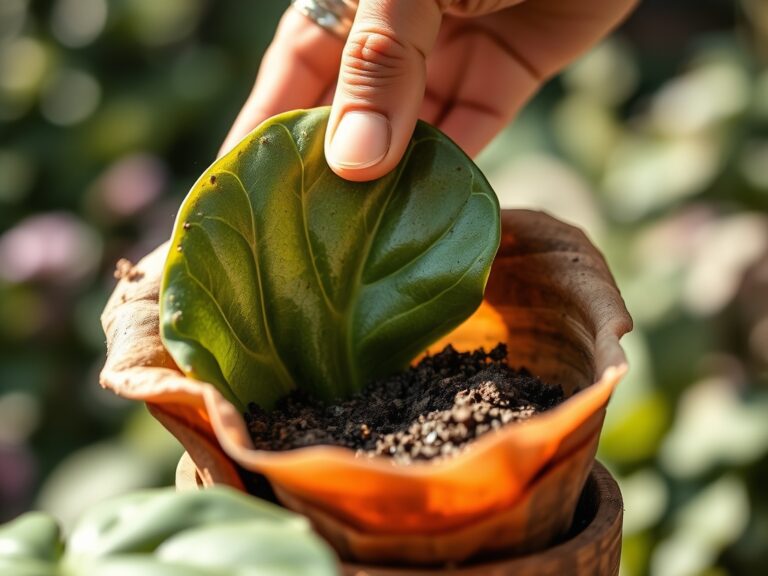
After 72 hours, remove blackened leaves and stems with sterilized pruning shears. Cut at a 45-degree angle 1/4 inch above the nearest node to encourage auxin flow toward dormant buds. Leave any tissue that remains green or shows partial yellowing; it may recover.
Pro-Tip: Dip cut surfaces in cinnamon powder (a mild antifungal) to prevent opportunistic pathogens from colonizing wounded cambium.
Step Six: Mycorrhizal Inoculation
Sprinkle 1 teaspoon of mycorrhizal inoculant onto exposed root zone soil. Water lightly with 4 ounces of 70°F water to activate spores. These fungi extend effective root surface area by 100 to 1,000 times, compensating for damaged root hairs.
Step Seven: Gradual Light Reintroduction
Increase light by 50 foot-candles daily until reaching species-appropriate levels (typically 200 to 400 foot-candles for foliage tropicals). Monitor for chlorosis; yellowing indicates premature photosynthetic stress. Scale back if new growth emerges pale.
Troubleshooting
Symptom: Leaves droop despite warm conditions.
Solution: Cation exchange capacity in cold-shocked roots drops, preventing nutrient uptake. Apply 1/4-strength kelp solution (0.25 ml per liter) every five days until turgor returns.
Symptom: Brown, water-soaked stem lesions appear after warming.
Solution: Secondary Pythium infection from waterlogged cold soil. Unpot, trim rotted roots with sterile shears, repot in fresh medium with perlite (30% by volume), and reduce watering frequency by half.
Symptom: New growth emerges distorted or stunted.
Solution: Auxin distribution remains disrupted. Apply diluted seaweed extract (1:500 ratio) as a root drench weekly for three weeks to restore apical dominance.
Symptom: Leaf margins turn crispy despite humidity dome.
Solution: Transpiration exceeds root uptake capacity. Lower light to 100 foot-candles and mist foliage three times daily until roots regenerate.
Maintenance
Water only when the top two inches of substrate are dry to the touch. Deliver 8 ounces per six-inch pot, ensuring 10% runoff to prevent salt accumulation. Maintain air temperature between 68°F and 74°F with less than 6°F fluctuation over 24 hours. Feed with 4-4-4 organic blend at half the label rate six weeks post-shock. Rotate the pot 90 degrees weekly to ensure even light distribution and prevent phototropic lean. Monitor for spider mites; cold shock suppresses plant defenses, making foliage vulnerable. Inspect leaf undersides with a hand lens every five days.
FAQ
How long does full recovery take?
Most tropicals regain normal growth within six to eight weeks if intervention begins within 72 hours of cold exposure.
Can I fertilize immediately after warming?
No. Wait until new root growth appears (gently tug the plant; resistance indicates new roots). Premature fertilization overwhelms damaged vascular tissue.
Should I repot a cold-shocked plant?
Only if root rot is confirmed. Otherwise, repotting adds transplant stress to an already compromised system.
What temperature qualifies as cold shock for tropicals?
Sustained exposure below 50°F for four hours initiates chilling injury. Below 40°F, damage accelerates exponentially.
Do all tropical species respond the same way?
No. Aroids tolerate brief cold better than Ficus. Research species-specific cold tolerance thresholds before recovery protocols.