9 Extension Steps to Prepare a Cold Frame Garden Site
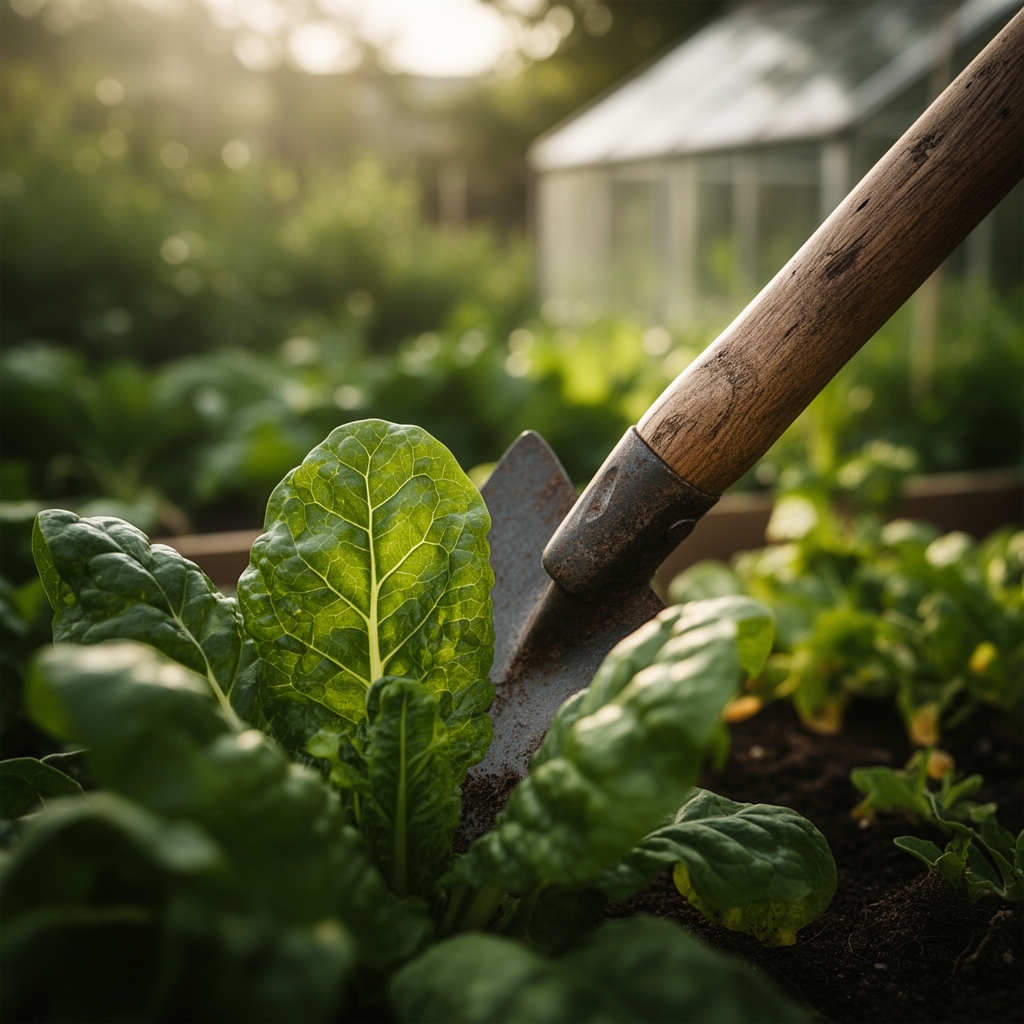
The first shovel cuts through cold soil with a gritty scrape, and water beads on the blade. You are standing over a rectangle of earth that will, in six weeks, produce leafy greens when neighboring plots lie dormant. Learning how to prepare a garden for a cold frame vegetable garden begins with understanding that this microclimate demands precision in drainage, fertility, and microbial activity before the first seedling enters the ground.
Materials
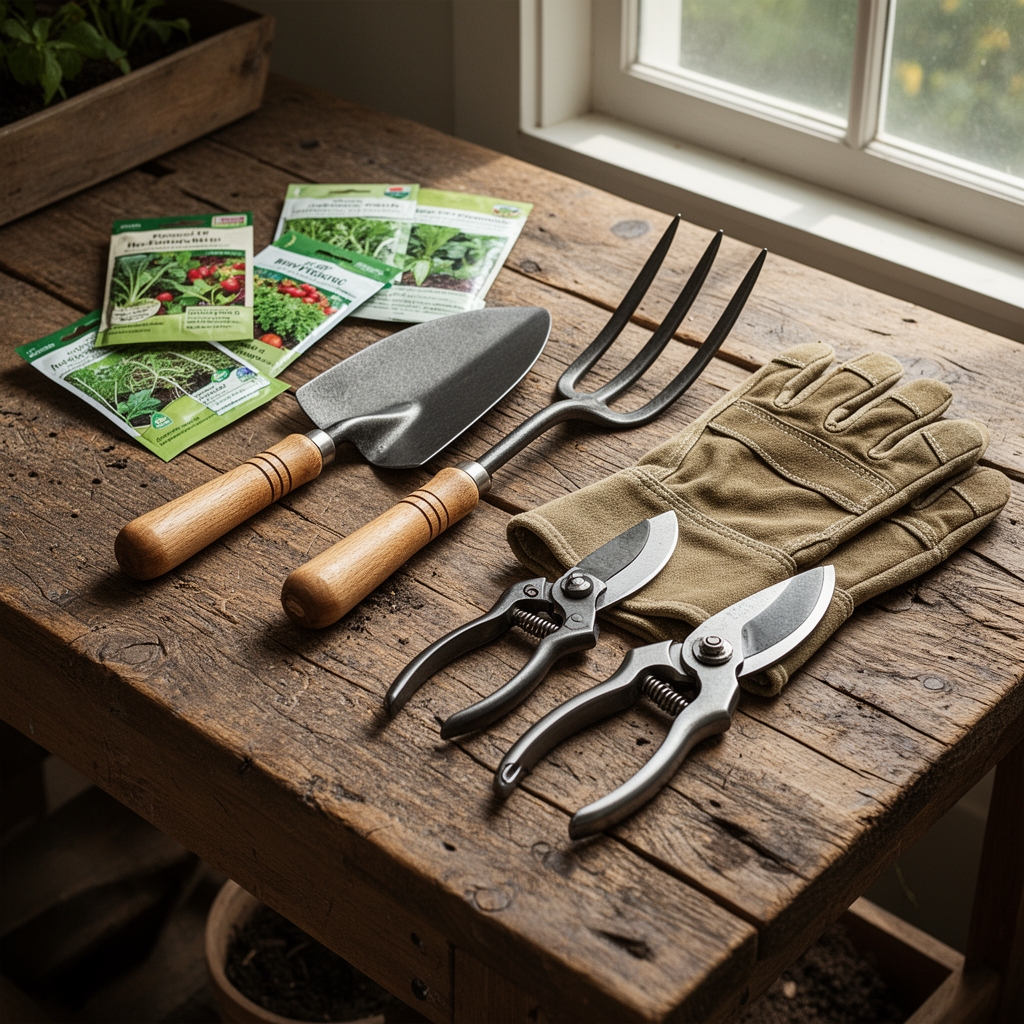
Aggregate your amendments by function and chemistry. Start with a 4-4-4 organic meal, which balances nitrogen, phosphorus, and potassium while releasing nutrients over 6 to 8 weeks. Add Canadian sphagnum peat (pH 3.5 to 4.5) at 2 cubic feet per 10 square feet if your native soil exceeds pH 7.2. Incorporate perlite or coarse sand (particle size 1 to 2 mm) at a rate of 1 gallon per square yard to elevate porosity and prevent anaerobic pockets.
Granular dolomitic limestone adjusts pH upward by 0.5 units per pound per 10 square feet. Apply it three weeks before planting to allow cation exchange capacity to stabilize. Mycorrhizal inoculant, containing Glomus intraradices at 100 propagules per gram, colonizes root hairs and extends phosphorus uptake by 300 percent. A soil thermometer with a 6-inch probe confirms that substrate temperature has reached 40 degrees Fahrenheit, the minimum threshold for brassica germination.
Hardwood compost aged 12 months or longer contributes humic acids that chelate micronutrients. Avoid fresh manure; ammonia volatilization will burn emerging cotyledons. A broadfork with 12-inch tines fractures compaction layers without inverting horizons, preserving beneficial nematode populations in the top 4 inches.
Timing
Cold frames extend the season by capturing solar radiation and moderating nighttime lows. In USDA Hardiness Zone 5, prepare the site 4 to 6 weeks before the average last spring frost, typically mid-April. Zone 6 gardeners can begin in late March. Zone 7 allows February starts for cool-season crops like spinach and mache.
Soil workability is the governing factor. Squeeze a handful; if water drips, wait. If the ball crumbles under thumb pressure, proceed. Autumn preparation offers advantages: microbial communities establish over winter, and freeze-thaw cycles shatter clay aggregates. Turn amendments into the top 8 inches between September 15 and October 30 in Zones 5 and 6, then mulch with straw to prevent erosion.
Phases
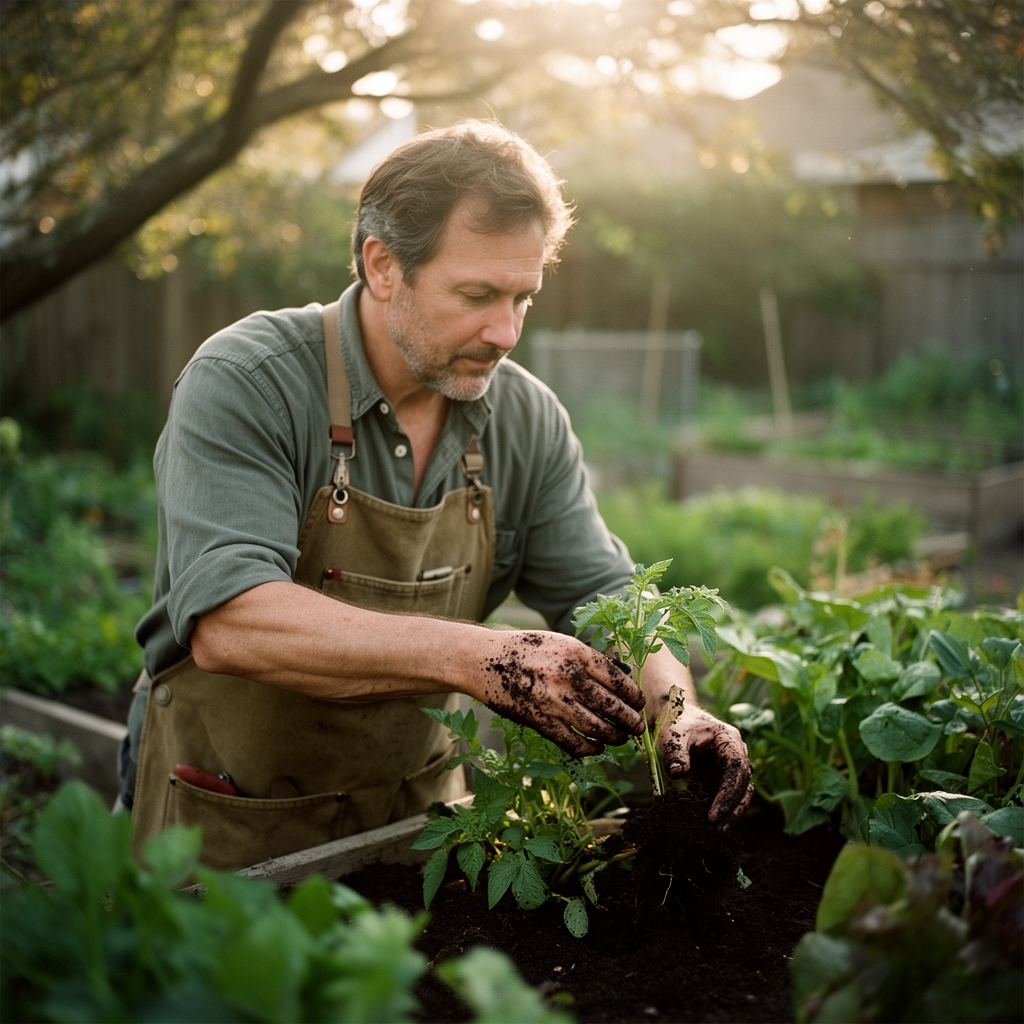
Sowing Phase
Direct-seed arugula, radish, and mizuna when soil temperature holds at 45 degrees Fahrenheit for three consecutive mornings. Rake the surface to a fine tilth, removing stones larger than 1 cm. Sow at depths equal to twice the seed diameter. Firm the row with the back of a hoe to ensure seed-to-soil contact, which accelerates imbibition and radicle emergence.
Pro-Tip: Apply a liquid kelp solution (0-0-1 NPK) at transplanting to boost auxin distribution and root initiation. Dilute 1 tablespoon per gallon and drench each transplant with 4 fluid ounces.
Transplanting Phase
Harden off seedlings by reducing water for 48 hours and exposing them to outdoor temperatures in 2-hour increments over five days. Dig planting holes 1 inch deeper than root-ball height. Backfill with native soil mixed 1:1 with finished compost. Space lettuce transplants 6 inches apart in staggered rows to maximize photosynthetic area under the sloped glazing.
Pro-Tip: Inoculate transplant roots with Trichoderma harzianum at 10^6 colony-forming units per gram to suppress damping-off pathogens during the vulnerable establishment window.
Establishing Phase
Monitor internal cold frame temperature with a min-max thermometer. Vent when interior air exceeds 70 degrees Fahrenheit; brassicas bolt above 75 degrees. Prop the lid open 2 to 4 inches on sunny days, increasing incrementally as outdoor temperatures rise. Close the frame one hour before sunset to trap residual heat.
Pro-Tip: Install a soil moisture sensor at 3-inch depth. Maintain volumetric water content between 20 and 25 percent for leafy greens to prevent tip burn caused by calcium transport disruption.
Troubleshooting
Symptom: Yellow leaf margins with interveinal chlorosis.
Solution: Magnesium deficiency. Apply Epsom salt at 1 tablespoon per gallon as a foliar spray, targeting the underside of mature leaves.
Symptom: Seedlings collapse at soil line, stems blackened.
Solution: Pythium damping-off. Reduce watering frequency and top-dress with fine vermiculite to wick moisture from the crown. Drench with a hydrogen peroxide solution (1 part 3% peroxide to 4 parts water).
Symptom: Flea beetles create shothole patterns in cotyledons.
Solution: Dust plants with diatomaceous earth (food-grade) at first light when dew holds particles on leaf surfaces. Reapply after rain.
Symptom: Leggy seedlings with elongated hypocotyls.
Solution: Insufficient photosynthetically active radiation. Elevate light intensity or lower cold frame lid to reduce air volume and raise substrate temperature, which stimulates compact growth.
Maintenance
Water transplants with 0.5 inches of water immediately after planting, measured with a rain gauge. Thereafter, apply 1 inch per week if rainfall is deficient. Irrigate in early morning to allow foliage to dry before nightfall, reducing Botrytis risk.
Side-dress with a 5-1-1 fish emulsion every 14 days at 2 tablespoons per gallon, applying 1 cup per plant. Remove yellowing lower leaves to improve air circulation and redirect photosynthate to apical meristems.
FAQ
When should I open the cold frame lid?
Open when internal temperature reaches 70 degrees Fahrenheit. Use a solar-powered vent opener calibrated to 65 degrees for automatic regulation.
Can I reuse cold frame soil?
Yes, but replenish organic matter. Remove plant debris, till in 1 inch of compost, and rotate crop families annually to break pest cycles.
What crops fail in cold frames?
Warm-season fruiting vegetables like tomatoes and peppers require sustained temperatures above 60 degrees at night. Stick to brassicas, lettuces, and alliums.
How deep should cold frame beds be?
Minimum 8 inches for root crops, 6 inches for leafy greens. Deeper beds buffer temperature swings and expand rooting volume.
Do I need supplemental heat?
Only if nighttime lows drop below 20 degrees Fahrenheit. A single strand of incandescent holiday lights raises interior temperature by 5 to 8 degrees.