8 Year-Round Steps to Prepare a Sustainable Vegetable Site
Learning how to prepare a garden for a year round vegetable garden transforms scattered seasonal efforts into a continuous harvest system. The scent of amended soil after September rain signals transition, not dormancy. Cold-hardy cultivars push through frost when roots occupy thermally stable substrates. A twelve-month production cycle depends on soil structure, microbial communities, and succession planting calibrated to your frost windows.
Materials
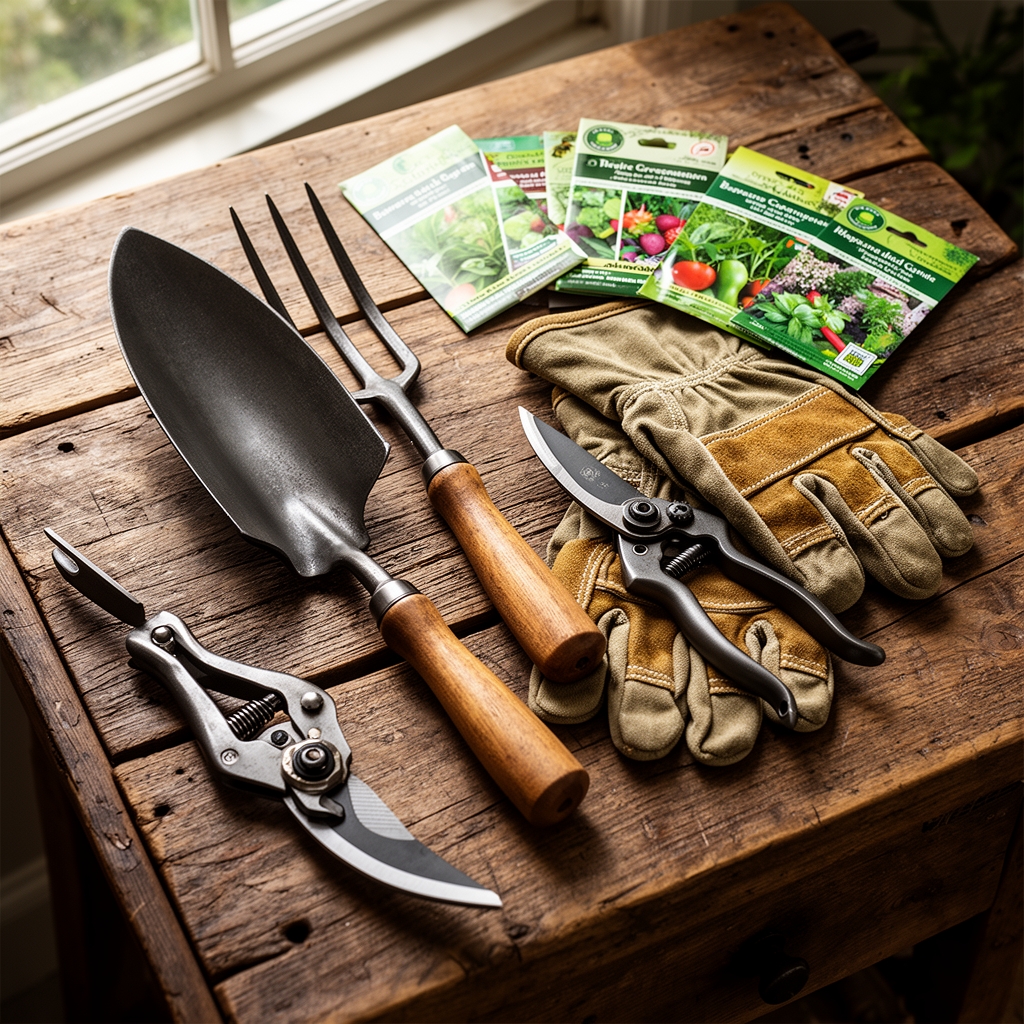
Start with a soil test that measures pH, cation exchange capacity, and available nitrogen, phosphorus, and potassium. Target pH 6.2 to 6.8 for broadest nutrient availability. Incorporate aged compost at 2 cubic yards per 100 square feet to raise organic matter above 5 percent. Apply a balanced organic fertilizer rated 4-4-4 or 5-5-5 at 3 pounds per 100 square feet during initial bed preparation. Kelp meal (1-0.1-2) supplies trace minerals and cytokinins that stimulate root branching. Rock phosphate (0-3-0) offers slow-release phosphorus for root crops. Mycorrhizal inoculant powder ensures symbiotic colonization in depleted soils. Mulch materials include straw (carbon-to-nitrogen ratio 80:1), shredded leaves (50:1), and compost (25:1). Use untreated lumber or galvanized steel for permanent bed frames. Row cover fabric rated to 26 degrees Fahrenheit extends brassica harvests into December. Cold frames with polycarbonate glazing trap solar gain for winter greens.
Timing
Hardiness zones dictate planting windows. Zones 3 through 6 require aggressive succession planting from March through August. Zones 7 through 9 allow nearly continuous outdoor production with minimal protection. Calculate your last spring frost date and first fall frost date. Begin cool-season crops (lettuce, spinach, peas) four to six weeks before the last spring frost. Plant warm-season crops (tomatoes, peppers, cucurbits) two weeks after that date, when soil reaches 60 degrees Fahrenheit at 4-inch depth. Sow fall brassicas (kale, cabbage, broccoli) twelve weeks before first fall frost. Winter harvests demand crops sown by late August in northern zones, late September in temperate zones. Photoperiod sensitivity means spinach bolts when day length exceeds fourteen hours; time spring sowings to harvest before June solstice.
Phases
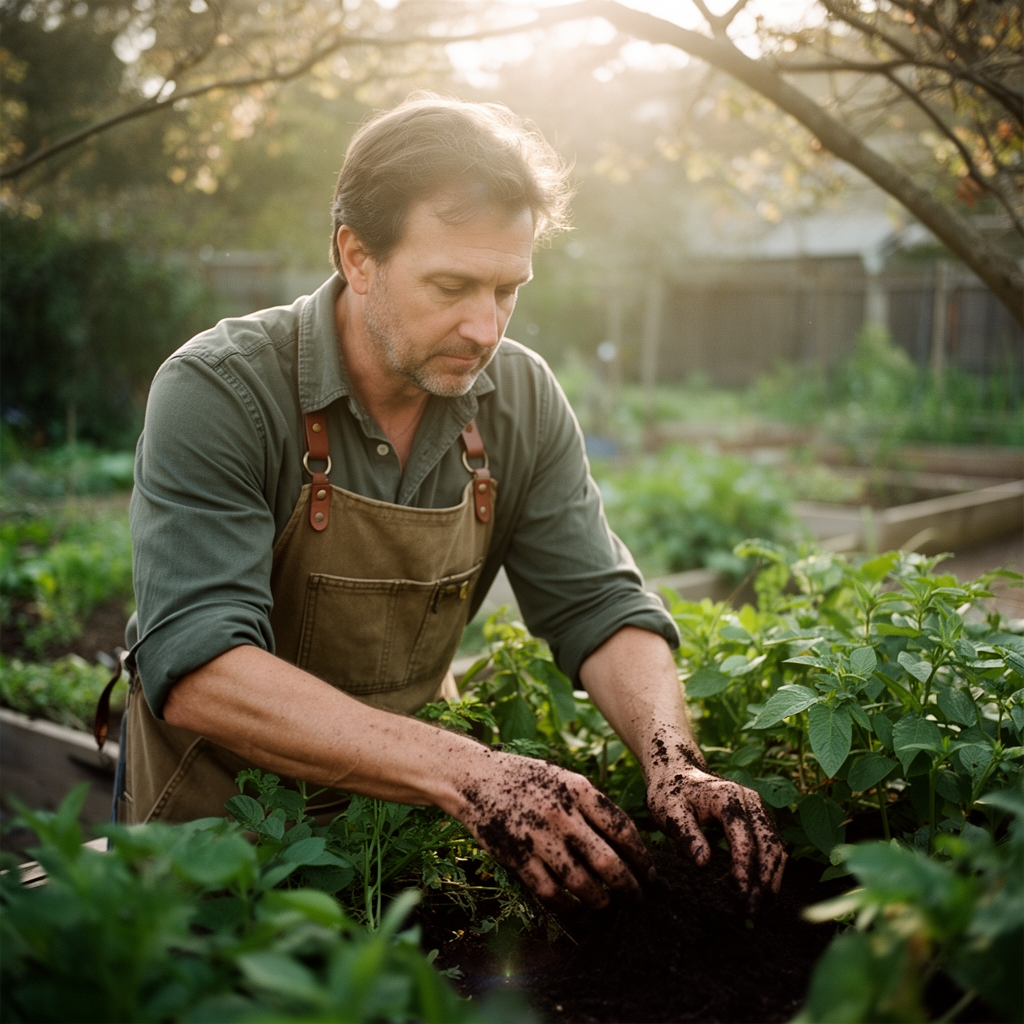
Sowing Phase
Direct-seed carrots, radishes, and salad greens into prepared beds when soil temperature meets crop-specific thresholds. Lettuce germinates at 40 degrees Fahrenheit; beans require 60. Create furrows 0.5 inches deep for small seed, 1.5 inches for legumes. Space rows according to mature canopy width to optimize photosynthetic efficiency. Firm soil contact accelerates imbibition and radical emergence.
Pro-Tip: Pre-germinate parsley and parsnip seed on damp paper towels at 70 degrees Fahrenheit for 48 hours to overcome slow germination.
Transplanting Phase
Harden off seedlings by reducing water and lowering temperature 10 degrees over seven days. Transplant on overcast afternoons to minimize transplant shock. Dig holes twice the root ball width. Set transplants at the same depth as container soil line, except tomatoes, which root along buried stems. Water immediately with a dilute fish emulsion solution (5-1-1) at half strength to supply auxins and stimulate lateral root growth.
Pro-Tip: Inoculate legume roots with Rhizobium bacteria at transplant to initiate nitrogen fixation within ten days.
Establishing Phase
Monitor soil moisture with a probe at 6-inch depth during the first three weeks. Roots colonize new soil volume when consistent moisture supports turgor pressure. Apply 0.5 inch of compost mulch around transplants to moderate temperature swings and suppress weeds. Pinch terminal buds on basil and other herbs at six true leaves to trigger axillary bud break and bushier architecture.
Pro-Tip: Foliar spray with dilute seaweed extract (0-0-1) every two weeks increases stress tolerance and enhances cuticle thickness in brassicas.
Troubleshooting
Symptom: Interveinal chlorosis on new growth. Solution: Iron deficiency induced by high pH. Apply chelated iron at 1 ounce per gallon as soil drench. Sulfur amendments lower pH over six months.
Symptom: Blossom end rot on tomatoes and peppers. Solution: Calcium transport disrupted by inconsistent moisture. Mulch to stabilize soil moisture. Apply gypsum (calcium sulfate) at 2 pounds per 100 square feet.
Symptom: Flea beetle feeding holes on brassica seedlings. Solution: Row cover immediately after transplant. Spinosad spray (organic) at labeled rate controls adult beetles.
Symptom: Powdery mildew on cucurbit leaves. Solution: Increase air circulation. Spray 1 tablespoon baking soda plus 1 teaspoon horticultural oil per gallon of water weekly.
Symptom: Bolting lettuce in late spring. Solution: Select bolt-resistant cultivars. Provide afternoon shade with shade cloth rated 30 percent reduction.
Maintenance
Irrigate to deliver 1 inch of water per week, measured with rain gauge. Water at soil level to keep foliage dry and reduce fungal disease. Side-dress heavy feeders (tomatoes, squash) with 5-5-5 organic fertilizer at 1 tablespoon per plant every four weeks. Prune indeterminate tomatoes to one or two leaders, removing suckers at 45-degree angles. Stake plants before they exceed 12 inches to avoid root damage. Rotate crop families annually to disrupt soil-borne pathogen cycles. Record planting dates, cultivars, and yields to refine future schedules.
FAQ
How deep should vegetable beds be?
Twelve inches minimum for root crops; 8 inches suffices for greens. Deep beds improve drainage and root penetration.
Can I grow vegetables in winter without a greenhouse?
Yes. Cold frames and row covers protect kale, spinach, and mâche to 20 degrees Fahrenheit in zones 6 and warmer.
What is succession planting?
Sowing small quantities of fast-maturing crops every two weeks ensures continuous harvest rather than single gluts.
How often should I add compost?
Top-dress beds with 0.5 inch of compost every spring and fall to maintain organic matter above 5 percent.
Do I need to till annually?
No. Broad-fork aeration preserves soil structure and mycorrhizal networks better than rotary tilling.