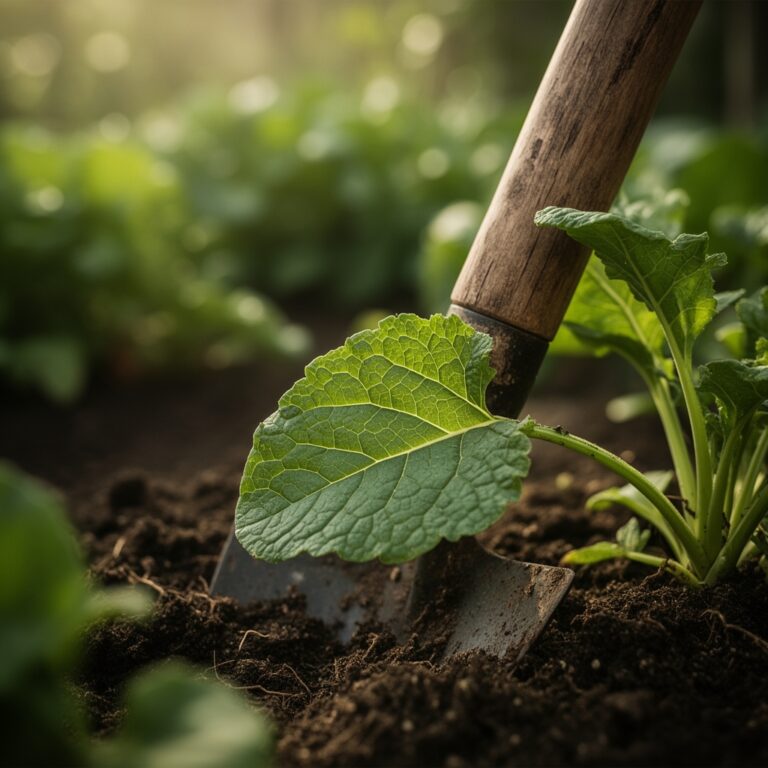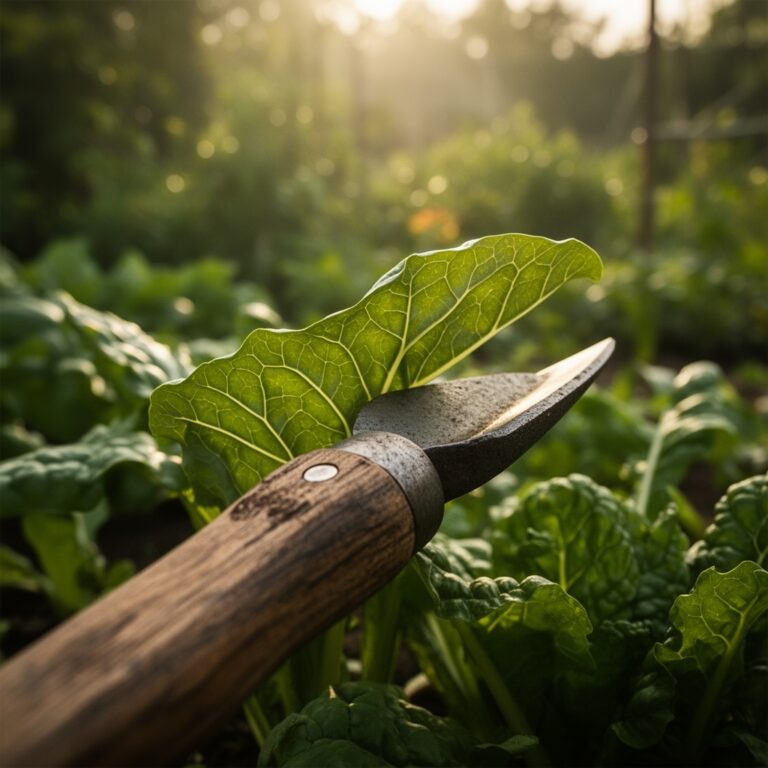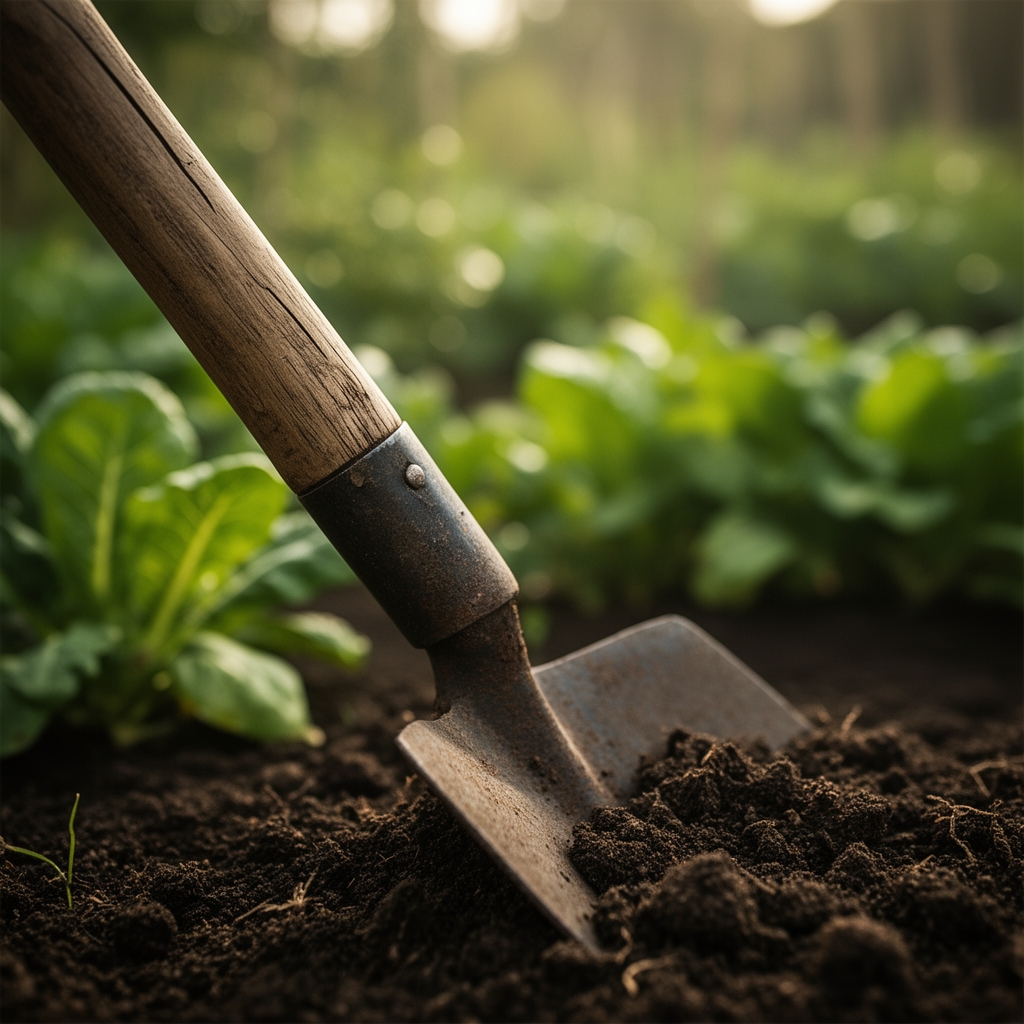
9 Better Ways to Use a Garden Hoe for Soil Preparation
The first time you drive a sharp hoe blade through spring soil and feel the crust shatter into tilth, you understand the tool's leverage. Using a garden hoe for vegetable soil prep transforms compacted beds into loose, aerated root zones with less fatigue than a spade and more precision than a tiller. The hoe's angled blade severs weed roots at the crown, incorporates amendments to the exact depth your carrots or beans require, and sculpts furrows that channel water to germinating seeds. Each stroke calibrates the cation exchange capacity of your topsoil by mixing organic matter into the mineral fraction.
Materials
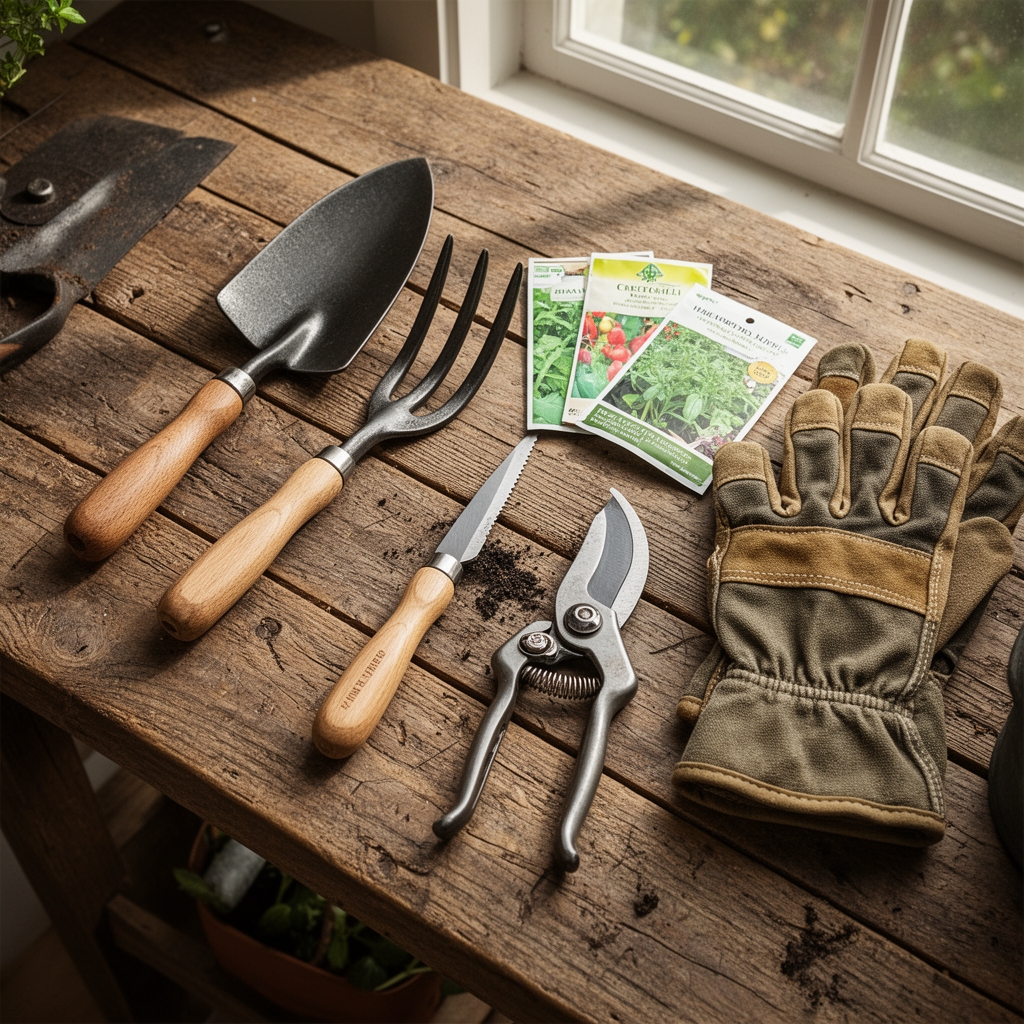
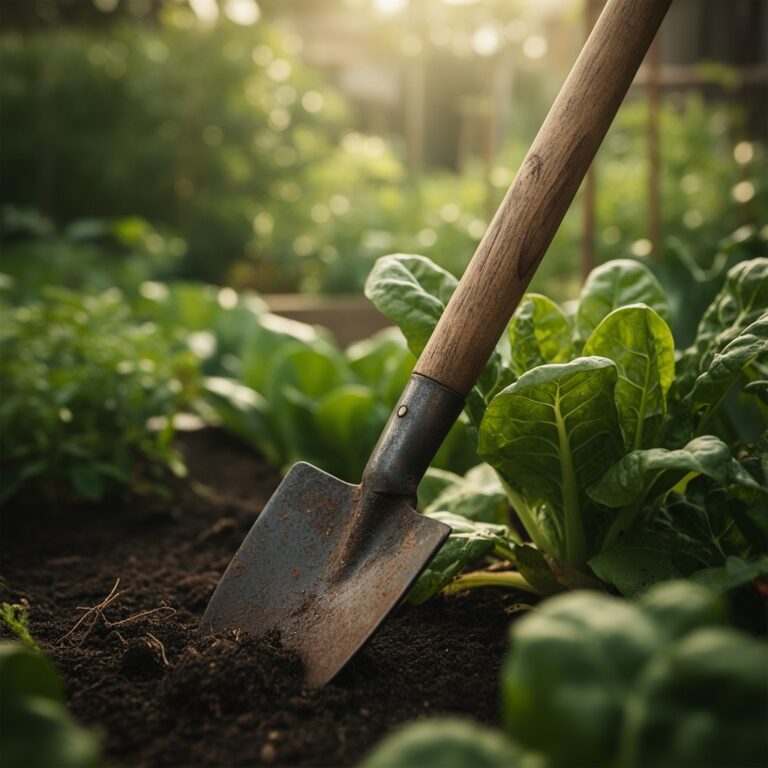
Select a stirrup hoe (scuffle hoe) for shallow cultivation between rows, a standard draw hoe for furrowing and hilling, and a Warren (pointed) hoe for precision weeding in tight quarters. Blade width matters: a 7-inch draw hoe suits most vegetable beds, while a 4-inch Warren hoe fits between young transplants spaced 6 inches apart.
For amendments, match inputs to your baseline soil test. A pH of 5.8 to 6.5 suits most vegetables. If your test shows pH 5.2, apply dolomitic lime at 5 pounds per 100 square feet and work it in with the hoe to the top 4 inches. For balanced nutrition, incorporate a 4-4-4 organic meal (blood meal, bone meal, greensand blend) at 2 pounds per 100 square feet two weeks before planting. High-nitrogen feeders like brassicas benefit from an additional side-dressing of 5-1-1 fish emulsion, hoed into a shallow trench 3 inches from the stem.
Compost should register a C:N ratio below 20:1. Apply a 1-inch layer and hoe it into the top 6 inches. This depth places humus where feeder roots concentrate and inoculates the rhizosphere with beneficial bacteria.
Timing
In USDA Hardiness Zones 5 through 7, begin soil prep three to four weeks before the last average frost date. Soil temperature should reach 50 degrees F at a 4-inch depth before hoeing, or wet clods will smear instead of crumble. Use a soil thermometer at 8:00 a.m. for three consecutive days to confirm.
For fall crops in Zones 8 and 9, prepare beds in late August when daytime highs drop below 90 degrees F. Hoeing during extreme heat oxidizes organic matter too rapidly and stresses soil microbes. In arid climates, irrigate 24 hours before hoeing to soften the surface without creating mud.
Phases
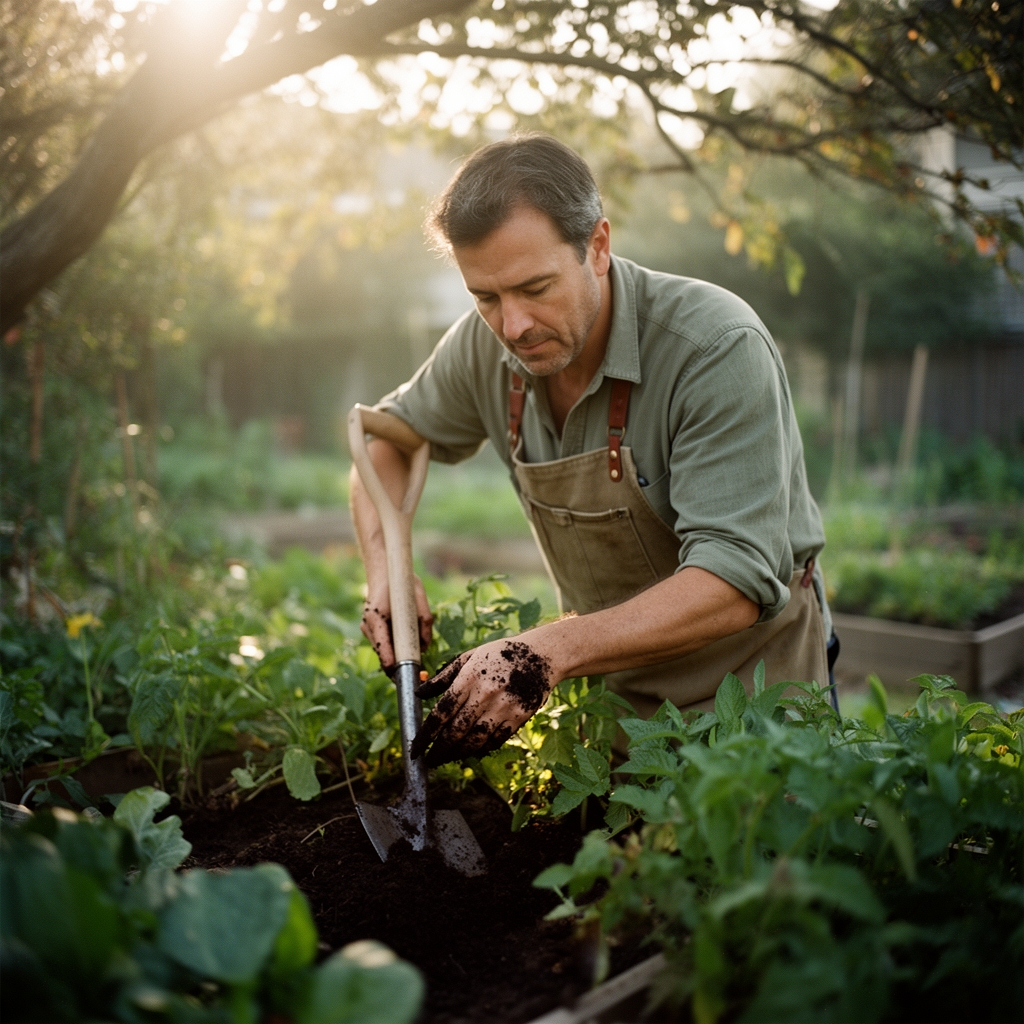
Sowing Phase
Draw the hoe blade toward you at a 45-degree angle to carve a furrow 0.5 inches deep for lettuce, 1 inch for beans, and 1.5 inches for peas. Maintain consistent depth by marking the handle with tape at the desired measurement, then keeping that mark level with the soil surface. After sowing, invert the hoe and use the flat back to tamp the furrow closed. This ensures seed-to-soil contact necessary for imbibition.
Pro-Tip: Dust furrows with mycorrhizal fungi granules (Glomus intraradices at 1 teaspoon per 10 feet) before seeding legumes. The hyphal network colonizes root hairs within 14 days and increases phosphorus uptake by 40 percent.
Transplanting Phase
Create planting holes with the Warren hoe by driving the pointed blade straight down, then rocking the handle in a 6-inch circle. This conical hole accommodates root balls without air pockets. Space tomatoes 24 inches apart, peppers 18 inches, and brassicas 12 inches. Measure with a marked stake to ensure uniform auxin distribution and light penetration.
After setting transplants, hoe a shallow moat 4 inches from each stem. This basin captures irrigation and prevents runoff on slopes exceeding 3 degrees.
Pro-Tip: Prune tomato transplants at a 60-degree angle just above the lowest true leaf before planting. Bury the stem horizontally in a 3-inch trench hoed parallel to the row. Adventitious roots emerge along the buried stem within 10 days, doubling anchorage.
Establishing Phase
Seventy-two hours after transplanting, hoe a 0.5-inch dust mulch around each plant by skimming the blade parallel to the surface. This severs capillary pores that wick moisture upward and reduces evaporation by 30 percent. Repeat every 10 days until canopy closure.
Hill potatoes when foliage reaches 8 inches by pulling soil from the row middles with a draw hoe. Build a mound 6 inches high and 10 inches wide. This blocks light from developing tubers and prevents solanine accumulation.
Pro-Tip: Hoe cover-crop residue (winter rye, hairy vetch) into the top 2 inches rather than turning it under. Surface incorporation preserves soil structure and accelerates decomposition by exposing stems to oxygen and UV radiation.
Troubleshooting
Symptom: Seedlings topple at soil line (damping-off).
Solution: Hoe rows north to south for maximum solar exposure. Improve drainage by raising beds 4 inches. Avoid hoeing when foliage is wet.
Symptom: Yellowing lower leaves with green veins (nitrogen deficiency).
Solution: Side-dress with 10-0-0 blood meal at 1 tablespoon per plant, hoed into a 2-inch-deep trench 4 inches from the stem. Water immediately.
Symptom: Hard crust prevents seedling emergence.
Solution: Hoe crust 24 hours after heavy rain, breaking surface into 0.25-inch aggregates. Do not hoe deeper than 0.5 inches near germinating seeds.
Symptom: Perennial weeds (bindweed, quackgrass) regrow after hoeing.
Solution: Hoe every 7 days for 6 weeks to exhaust root carbohydrate reserves. Each severing reduces regrowth vigor by 20 percent.
Maintenance
Hoe vegetable beds every 10 to 14 days during active growth. Apply 1 inch of water per week, measured with a rain gauge. Hoe 24 hours after irrigation to destroy weed seedlings in the white-thread stage. Sharpen hoe blades every 20 hours of use with a 10-inch mill bastard file at a 20-degree bevel.
FAQ
When is soil too wet to hoe?
Squeeze a handful. If it forms a mudball that does not crumble when poked, wait 24 to 48 hours.
Can hoeing damage vegetable roots?
Stay 3 inches from stems and work no deeper than 2 inches. Feeder roots regenerate within 14 days if nicked.
Should I hoe before or after mulching?
Hoe first to eliminate weeds, then apply 2 inches of straw or shredded leaves. Do not hoe through mulch.
How deep should I hoe compost into clay soil?
Six inches. Deeper incorporation disrupts stratification and buries organic matter below the active microbial zone.
What hoe angle reduces back strain?
Position hands shoulder-width apart on the handle. Keep the blade flat to the ground and pull toward your lead foot without bending at the waist.