6 Nutrient Steps to Prepare an Indoor Citrus Tree Shelf
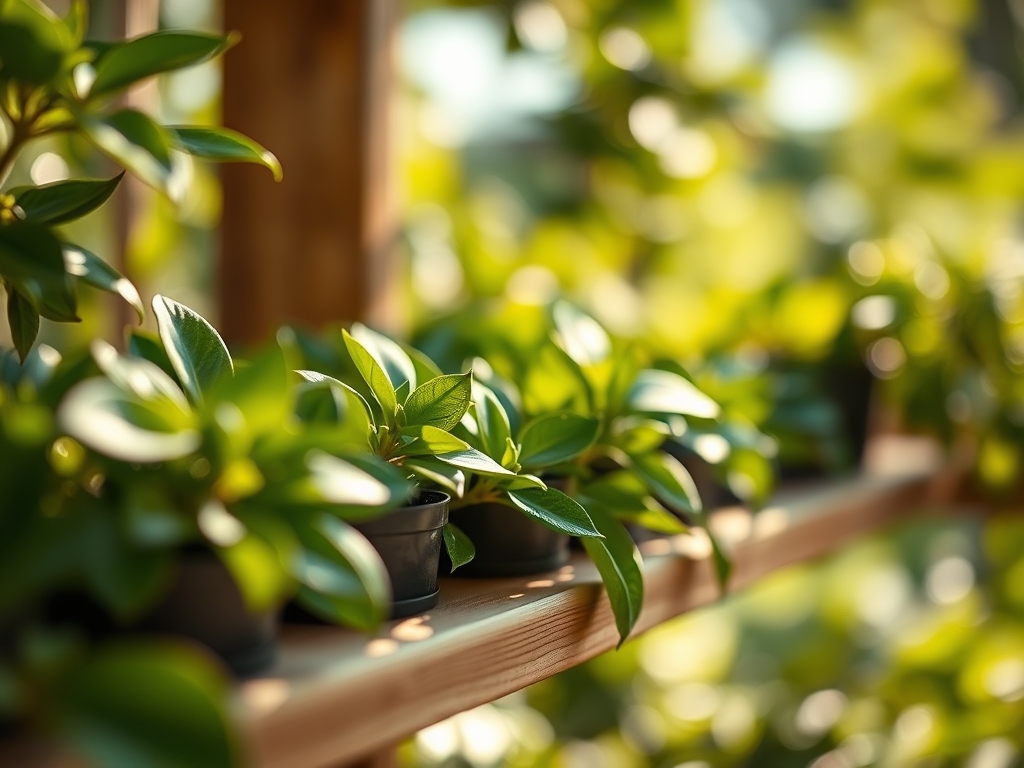
Growing citrus indoors transforms sunlight, controlled humidity, and deliberate nutrition into a predictable harvest. Mastering how to prepare a plant shelf for citrus begins with shelf design, structural load capacity, and the six nutrient interventions that regulate auxin distribution, root morphology, and fruit set. A dedicated shelf stabilizes temperature swings and organizes drainage, light proximity, and air circulation into a single manageable zone.
Materials
Select organic citrus fertilizer at a 4-4-4 or 6-3-3 NPK ratio. Avoid high-nitrogen blends exceeding 10-5-5, which promote vegetative growth at the expense of flowering. Source sulfur-coated urea or feather meal for slow-release nitrogen. Potassium sulfate delivers the potassium citrus demands during fruit maturation without elevating soil salinity.
Prepare a substrate with pH 6.0 to 7.0. Combine two parts aged pine bark fines, one part Canadian sphagnum peat moss, and one part perlite or pumice. This mixture achieves a cation exchange capacity near 12 meq/100g, sufficient to buffer micronutrients without waterlogging. Add dolomitic lime at 2 tablespoons per gallon of mix to stabilize pH and supply magnesium.
Acquire chelated iron (Fe-EDDHA) at 6 percent concentration, manganese sulfate, zinc sulfate, and soluble boron. Citrus trees exhibit iron chlorosis above pH 7.5, so chelates remain plant-available even in alkaline drift. Mycorrhizal fungi inoculant, specifically Glomus species, colonizes feeder roots and extends phosphorus uptake radius by 10 to 15 centimeters.
Install full-spectrum LED grow lights rated at 2,000 to 3,000 lumens per square foot. Position fixtures 12 to 18 inches above the canopy to deliver 12 to 14 hours of photoperiod. Use a programmable timer to mimic seasonal day-length variation.
Timing
In USDA Hardiness Zones 9 through 11, transition potted citrus outdoors after the last spring frost, typically mid-March to early April. Indoor cultivation removes frost dependency but aligns nutrient applications with natural growth flushes. Begin the first nutrient step in late February when day length exceeds 11 hours, triggering root activity and cambium cell division.
Zones 4 through 8 require year-round indoor culture. Initiate the nutrient protocol eight weeks before anticipated bloom, usually late January for Meyer lemon or early February for Calamondin. Monitor basal stem diameter; once it surpasses 1 centimeter, trees tolerate aggressive fertilization without tip burn.
Phases
Establishment Phase (Weeks 1–4)
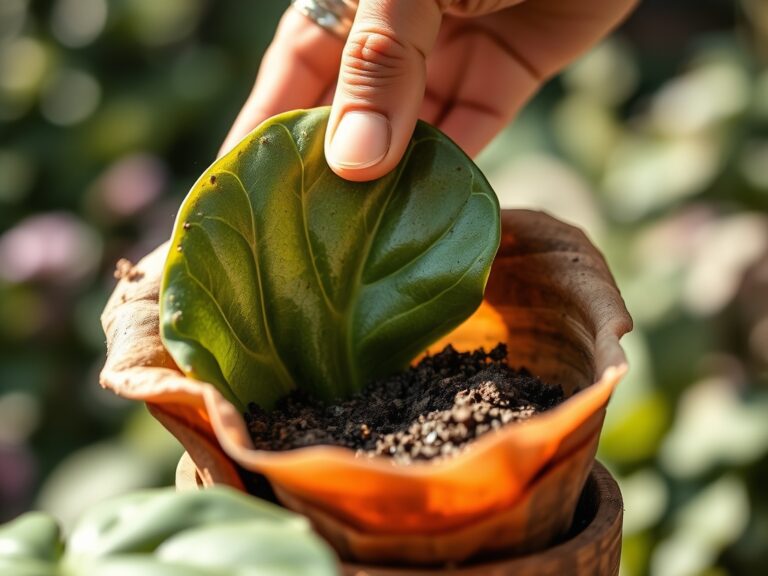
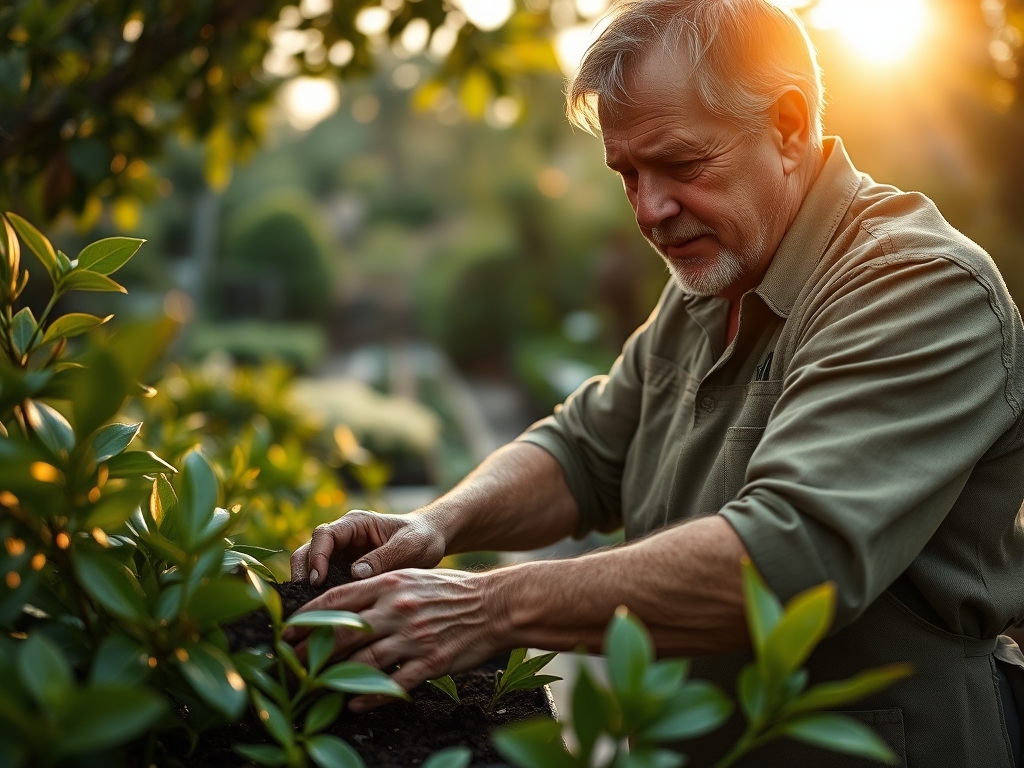
Transplant nursery stock into 10-gallon fabric pots. Fabric aeration prunes circling roots and increases lateral branching. Water with 0.5 gallons until 10 percent drains from the bottom, establishing baseline hydraulic conductivity. Apply mycorrhizal inoculant directly to the root ball at 1 teaspoon per plant. Spores require 14 to 21 days to penetrate epidermal root cells and form arbuscules.
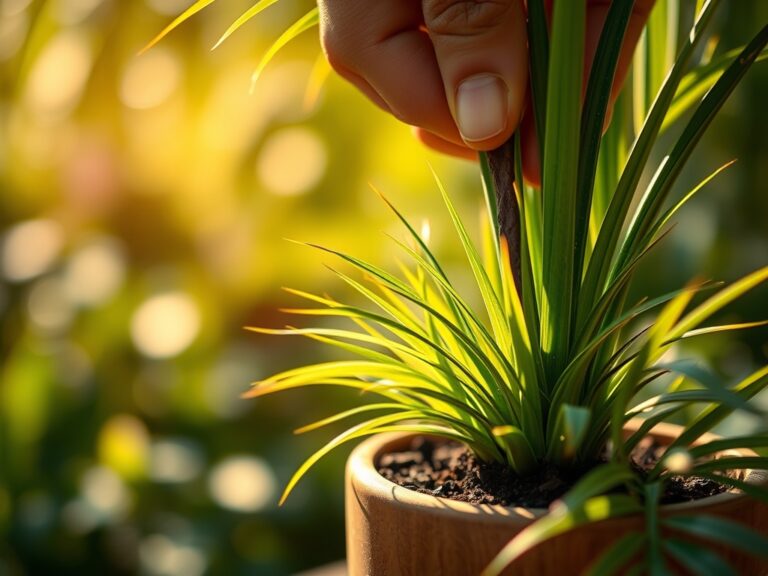
Pro-Tip: Score the root ball vertically with a sterile knife at four equidistant points. This mechanical disruption breaks girdling roots and stimulates auxin production, accelerating lateral root emergence by 30 percent.
Vegetative Phase (Weeks 5–10)
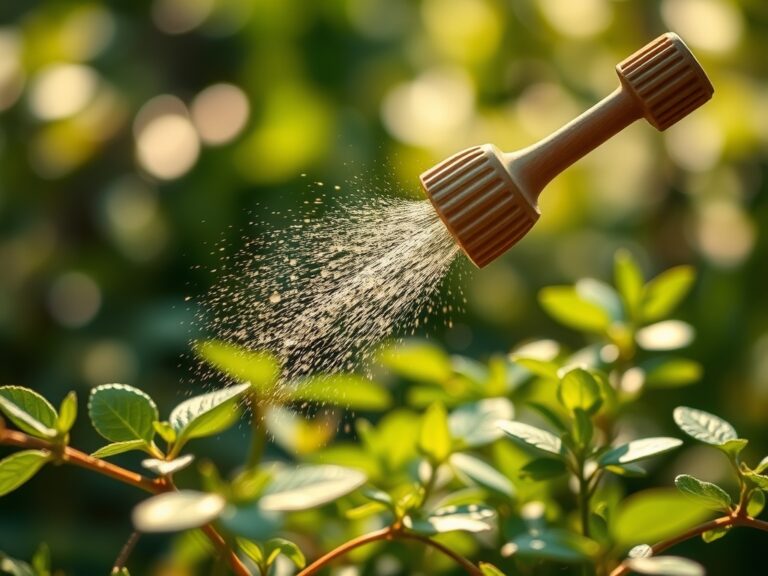
Apply granular 6-3-3 citrus fertilizer at 2 tablespoons per gallon of soil volume every three weeks. Distribute granules in a 2-inch band, 3 inches from the trunk, then water thoroughly. Foliar-feed chelated iron at 1 gram per gallon of water every two weeks. Spray until runoff coats both leaf surfaces, focusing on new growth where iron demand peaks.
Pro-Tip: Prune new shoots to a 45-degree angle, leaving four to six leaves per branch. This angle maximizes apical dominance while encouraging lateral bud break. Remove water sprouts growing vertically; they divert carbohydrates from fruiting wood.
Reproductive Phase (Weeks 11–20)
Reduce nitrogen to 3-6-6 NPK ratio. Excess nitrogen during flower initiation aborts buds and promotes vegetative reversion. Supplement potassium sulfate at 1 tablespoon per plant monthly. Potassium regulates stomatal function and sugar translocation into developing fruit.
Add soluble boron at 0.25 teaspoon per gallon during early bloom. Boron facilitates pollen tube growth and calcium uptake, reducing fruit drop by 15 to 20 percent. Monitor electrical conductivity of the drainage water; maintain it below 2.0 dS/m to prevent salt accumulation.
Pro-Tip: Hand-pollinate flowers using a soft brush at midday when relative humidity sits between 40 and 60 percent. Transfer pollen from anther to stigma with three gentle strokes per flower. This increases fruit set in low-airflow indoor environments by up to 50 percent.
Troubleshooting
Symptom: Interveinal chlorosis on young leaves, veins remain green.
Solution: Iron deficiency. Apply Fe-EDDHA chelate at 1 gram per gallon as a soil drench. Retest substrate pH; if above 7.2, incorporate elemental sulfur at 1 teaspoon per gallon to lower pH by 0.5 units over four weeks.
Symptom: Leaf edges curl upward, brown necrotic spots appear.
Solution: Potassium deficiency or salt toxicity. Leach soil with 2 gallons of distilled water per pot, allowing full drainage. Resume fertilization at half strength for two cycles.
Symptom: Sticky honeydew on leaves, sooty mold growth, visible white cottony masses.
Solution: Mealybug infestation. Isolate affected plants. Spray neem oil at 2 tablespoons per gallon, adding 0.5 teaspoon insecticidal soap to improve coverage. Repeat every five days for three applications. Introduce Cryptolaemus montrouzieri beetles at five beetles per plant for biological control.
Symptom: Premature fruit drop, fruit diameter less than 1 inch.
Solution: Boron or calcium deficiency. Foliar-spray calcium chloride at 1 teaspoon per gallon plus 0.25 teaspoon boron. Ensure night temperatures remain above 55 degrees Fahrenheit; cold stress disrupts auxin transport and triggers abscission.
Symptom: Stunted growth, yellowing starting at leaf base, root tips brown and mushy.
Solution: Root rot from Phytophthora species. Remove plant, trim necrotic roots, and repot in sterile media. Drench with fosetyl-aluminum fungicide at label rate. Reduce watering frequency to once every seven days until new white root tips emerge.
Maintenance
Water when the top 2 inches of substrate feel dry to the touch. Deliver 0.5 gallons per 10-gallon pot, ensuring 10 to 15 percent leaches out. This leaching fraction prevents salt buildup and maintains cation exchange equilibrium. Indoor citrus requires watering every five to seven days, depending on ambient humidity and light intensity.
Prune dead wood and crossing branches in late winter. Remove suckers below the graft union immediately; rootstock growth diverts carbohydrates and alters fruit quality. Maintain canopy height at 4 to 5 feet by heading back terminal shoots to outward-facing buds.
Rotate pots 90 degrees every two weeks to ensure even light distribution. Monitor leaf surface temperature with an infrared thermometer; maintain it between 70 and 80 degrees Fahrenheit. If leaf temperature exceeds 85 degrees, increase distance between light fixture and canopy by 3 inches.
Reapply granular fertilizer every six weeks during active growth, reducing frequency to every ten weeks in winter. Top-dress with 0.5 inches of compost annually to replenish organic matter and sustain microbial populations that mineralize nutrients.
FAQ
How often should I fertilize indoor citrus trees?
Apply granular citrus fertilizer every three weeks during spring and summer, reducing to every six weeks in fall and winter. Adjust based on new leaf production.
What causes citrus leaves to yellow and drop?
Yellowing results from nitrogen deficiency, overwatering, or rootbound conditions. Check root health, adjust watering, and fertilize with 6-3-3 NPK if deficiency is confirmed.
Can I use standard potting soil for citrus?
No. Standard mixes retain excessive moisture. Use a bark-based blend with 40 percent porosity to prevent root rot and promote aeration.
Do indoor citrus trees need dormancy?
No true dormancy occurs, but reducing temperature to 55 to 60 degrees Fahrenheit for eight weeks in winter improves flower differentiation and fruit quality.
How do I increase fruit production indoors?
Hand-pollinate flowers, maintain 12 to 14 hours of light daily, supplement with potassium during bloom, and ensure nighttime temperatures stay above 55 degrees Fahrenheit.