9 Health Benefits of Specialized Bonsai Soil for Miniature Trees
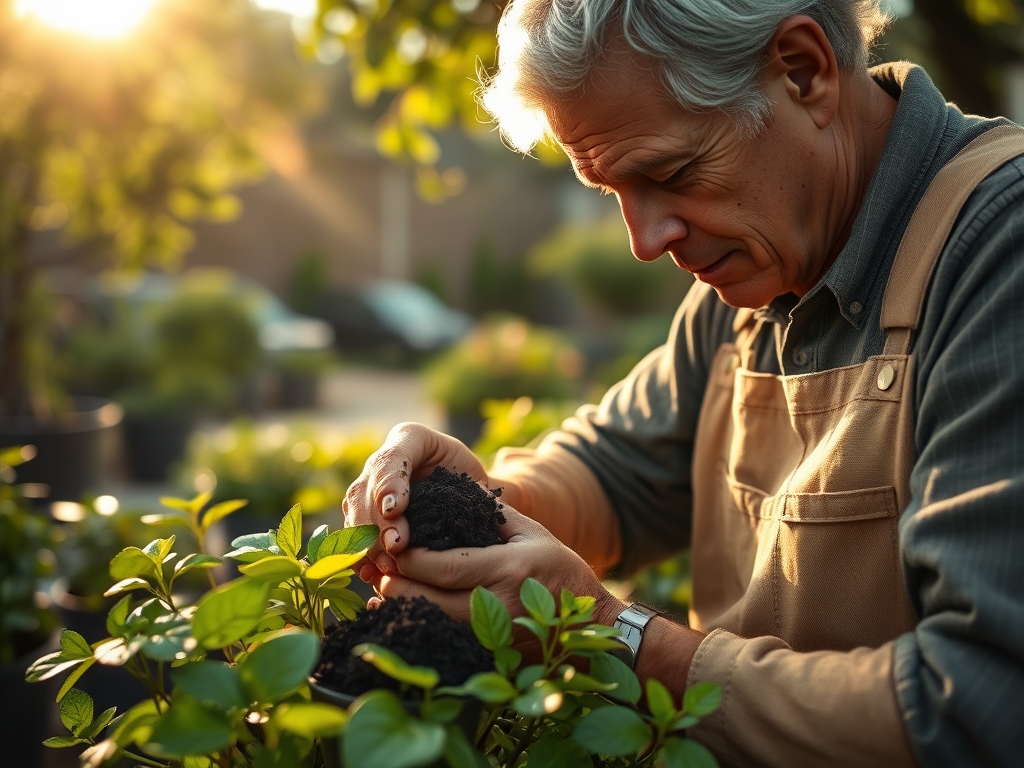
The sharp, earthy scent of damp akadama and pumice signals a functioning rhizosphere. When you compress a healthy bonsai leaf between your fingers, the high turgor pressure provides a firm resistance that indicates the vascular system is fully hydrated. This physiological state is impossible to maintain in standard potting compost. Using a specialized bonsai soil ensures that the root system avoids the anaerobic conditions caused by fine-particle compaction. Standard soils collapse, suffocating the delicate root hairs that facilitate nutrient uptake. In contrast, a granular substrate maintains a high void space ratio, allowing oxygen to reach the roots while retaining enough moisture to prevent cell death. A tree in the correct medium displays deep green foliage and rapid callous formation after pruning. This is not a result of luck; it is a direct consequence of managing the soil atmosphere and the cation exchange capacity of the substrate. By controlling the physical properties of the growing medium, the horticulturist dictates the metabolic rate and overall longevity of the specimen.
Materials:
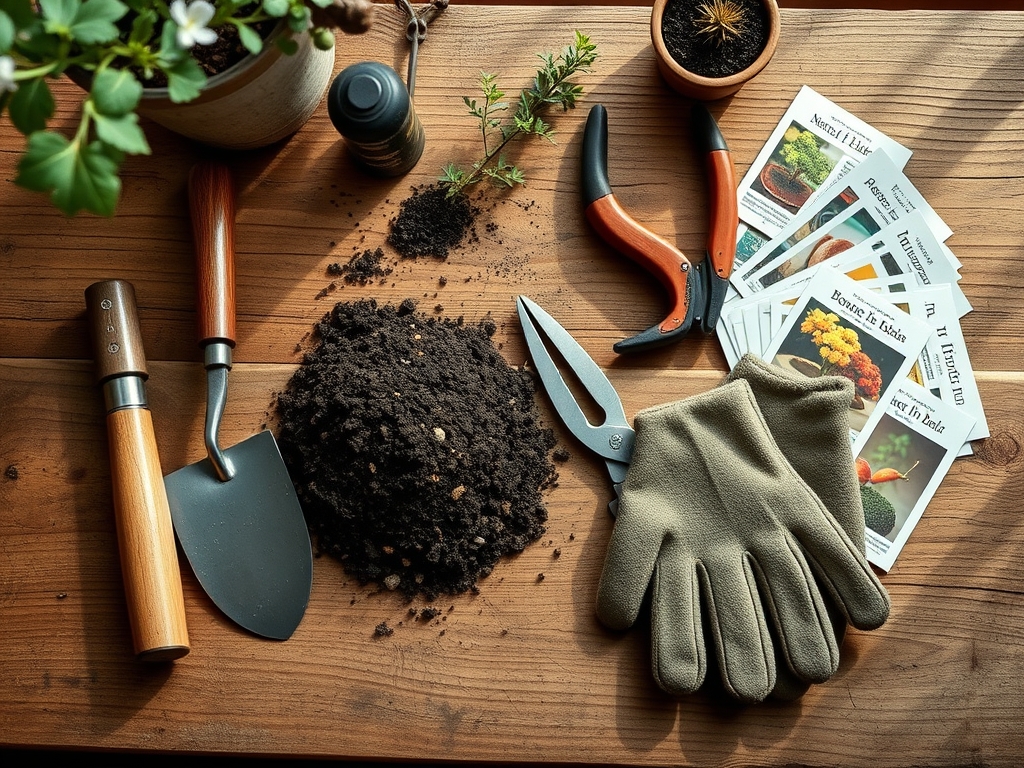
The chemical composition of your substrate determines the availability of essential elements. For most coniferous species, aim for a **pH range of 5.5 to 6.5**, while deciduous trees often prefer a slightly more neutral **6.0 to 7.0**. The ideal physical texture is a friable, granular aggregate with particle sizes ranging from **2mm to 6mm**.
1. Akadama (Double-Red Line): A fired Japanese clay that provides high cation exchange capacity (CEC). It holds water within its micropores while allowing air to circulate around the exterior.
2. Pumice (Horticultural Grade): Provides structural integrity and prevents the substrate from breaking down into dust. It acts as a reservoir for moisture without increasing the risk of root rot.
3. Lava Rock (Scoria): Adds surface area for beneficial microbial colonization and increases the weight of the pot for stability.
4. NPK Ratios: During the active growing season, utilize a balanced 10-10-10 water-soluble fertilizer for general maintenance. Switch to a low-nitrogen 0-10-10 formula in late summer to encourage lignification (wood hardening) and bud development for the following year.
Timing:
The biological clock of a bonsai is governed by the photoperiod and ambient temperature. In Hardiness Zones 5 through 8, the window for major soil intervention is narrow. You must perform repotting and soil replacement during the late dormant season, typically two to four weeks before the first bud swell. This usually aligns with the period when soil temperatures reach a consistent 45 to 50 degrees Fahrenheit.
Transitioning from the vegetative stage to the reproductive or dormant stage requires careful monitoring of the frost-date window. In the spring, ensure the tree has at least six weeks of frost-free growth to establish new root hairs before the heat of summer. In autumn, the tree enters senescence, where chlorophyll breaks down and nutrients are translocated to the roots. Avoid any soil disturbance during this period, as the tree is focused on carbohydrate storage rather than root expansion.
Phases:
Sowing and Stratification
Starting bonsai from seed requires a specialized germination mix, often consisting of 50% fine sieved akadama and 50% river sand. Many temperate species require cold stratification at 34 to 39 degrees Fahrenheit for 60 to 90 days to break embryo dormancy.
Pro-Tip: Maintaining a consistent moisture level during stratification is vital because it triggers the enzymatic breakdown of the seed coat. This process, known as imbibition, is the first step in activating the plant's metabolic pathways.
Transplanting into Specialized Media
When moving a tree into a bonsai container, you must prune the downward-growing taproots to encourage a radial root system. Fill the bottom 20% of the pot with a coarse drainage layer of lava rock. Position the tree and work the specialized soil into the root ball using a bamboo chopstick to eliminate air pockets.
Pro-Tip: Removing the taproot suppresses apical dominance through the reduction of auxin flow. This encourages the production of cytokinins in the lateral root tips, leading to a more compact and refined branch structure above the soil line.
Establishing the Rhizosphere
After transplanting, the tree enters a critical establishment phase. Keep the specimen in a shaded area sheltered from high winds for 21 days. This allows the cut root ends to callous and begin new growth without the stress of high transpiration rates.
Pro-Tip: Introducing mycorrhizal fungi during this phase creates a symbiotic relationship where the fungi extend the reach of the root system. This symbiosis increases the tree's ability to absorb phosphorus and water, significantly improving drought resistance.
The Clinic:
Physiological disorders often manifest in the foliage but originate in the substrate.
Symptom: Interveinal Chlorosis
- Analysis: Yellowing between leaf veins while veins remain green. This indicates an Iron (Fe) deficiency, often caused by a pH level that is too high (alkaline), which locks out micronutrients.
- Solution: Apply chelated iron and adjust the soil pH using an acidic supplement or by increasing the percentage of peat or kanuma in the mix.
Symptom: Leaf Tip Burn
- Analysis: Brown, crispy edges on leaves. This is frequently a sign of salt buildup from synthetic fertilizers or "wet feet" caused by poor drainage.
- Solution: Flush the specialized soil with distilled water to leach excess salts. Ensure the drainage holes are not blocked.
Symptom: Needle Cast (Conifers)
- Analysis: Premature shedding of inner needles. This often results from poor light penetration or a lack of magnesium.
- Solution: Apply Epsom salts (magnesium sulfate) at a rate of one tablespoon per gallon of water and prune for better light infiltration.
Maintenance:
Precision is the hallmark of professional bonsai care. Use a soil moisture meter to check the hydration levels at the core of the root ball daily. Most bonsai require watering when the top 0.5 inches of soil feels dry. During the peak of summer, this may necessitate watering twice per day. When applying water, use a fine-rose watering can or a specialized nozzle to avoid displacing the granular soil.
Utilize a hori-hori knife to weed the surface without disrupting the primary root structure. For pruning, use bypass pruners to ensure clean cuts that heal quickly. Every three years, use a root hook to gently tease out the old soil during the repotting cycle. This ensures the cation exchange capacity remains high and the soil does not become hydrophobic.
The Yield:
For fruiting bonsai like the Crabapple (Malus) or Pomegranate (Punica), the yield is measured in the quality and scale of the fruit. To prevent the tree from exhausting its energy reserves, thin the fruit so that only one or two specimens remain per branch. Harvest when the fruit reaches full color but before the first hard frost. To maintain "day-one" freshness for display, cut the fruit with a small portion of the stem attached using sharp floral snips. This prevents the entry of decay pathogens at the base of the fruit.
FAQ:
Why is regular potting soil bad for bonsai?
Standard potting soil contains fine particles that collapse and fill air gaps. This leads to waterlogging, which causes anaerobic conditions and root rot. Specialized bonsai soil maintains large macropores, ensuring the roots have access to both oxygen and moisture.
How often should I replace specialized bonsai soil?
Most deciduous trees require repotting and fresh soil every two to three years. Conifers grow more slowly and can typically remain in the same medium for five or more years, provided the water continues to drain freely through the substrate.
Can I reuse bonsai soil after repotting?
Reuse is not recommended. Over time, components like akadama break down into fine dust, which inhibits drainage. Additionally, old soil may harbor pathogens or accumulated mineral salts that can stress the tree's delicate root system during the recovery phase.
What is the best soil for an indoor bonsai?
Indoor environments have lower airflow and higher evaporation rates. Use a mix with a higher percentage of akadama or calcined clay to retain moisture. Ensure the mix remains granular to prevent the soil from becoming a solid, impermeable mass.