9 Blooming Benefits of Specialized African Violet Fertilizer
The smell of damp peat moss and perlite signals a controlled environment where precision dictates survival. A healthy African Violet leaf feels rigid under the thumb; this turgor pressure indicates a cellular wall reinforced by adequate potassium and consistent hydration. When growth stalls or the foliage loses its luster, the culprit is often a depletion of specific micronutrients within the confined rhizosphere of a small pot. Using a specialized violet fertilizer ensures that the plant receives a precise NPK ratio designed for continuous blooming rather than excessive vegetative sprawl. These plants are heavy feeders with a limited root volume. They require a water-soluble delivery system that bypasses the lag time of organic decomposition. By stabilizing the nutrient concentration in the potting medium, you prevent the osmotic shock that often follows the application of generic, high-nitrogen garden feeds. Success depends on maintaining a steady state of chemical availability within the substrate. This technical approach transforms a struggling specimen into a structural powerhouse of symmetrical leaves and dense floral clusters.
Materials:

African Violets require a substrate that is highly porous and slightly acidic. The ideal **soil pH range is 5.8 to 6.2**. Use a friable loam composed of 50 percent peat moss, 25 percent perlite, and 25 percent vermiculite to ensure high Cation Exchange Capacity (CEC). This structure allows the medium to hold onto positively charged ions like calcium and magnesium while draining excess salts.
The specialized fertilizer must adhere to a specific NPK ratio, typically 7-7-7, 12-36-14, or 15-30-15. The high phosphorus (middle number) is critical for ATP production and floral development. Avoid fertilizers that utilize urea as a nitrogen source; African Violets lack the soil microbes necessary to break down urea efficiently in a container environment. Look for nitrogen derived from ammonium nitrate or calcium nitrate for immediate bioavailability.
Timing:
While African Violets are typically grown indoors in climate-controlled environments, they are native to Hardiness Zones 11 and 12. They thrive in temperatures between 65 and 75 degrees Fahrenheit. The biological clock of the plant is triggered by a consistent photoperiod of 12 to 14 hours of bright, indirect light.
Transitioning from the vegetative stage to the reproductive stage requires a shift in nutrient density. Begin consistent fertilization when the plant reaches a diameter of approximately 4 inches. Avoid fertilizing during the darkest weeks of winter if supplemental lighting is not used; the plant enters a period of slower metabolism where excess salts can lead to root desiccation. Resume a full feeding schedule once the spring equinox increases natural light intensity.
Phases:

Sowing and Propagation
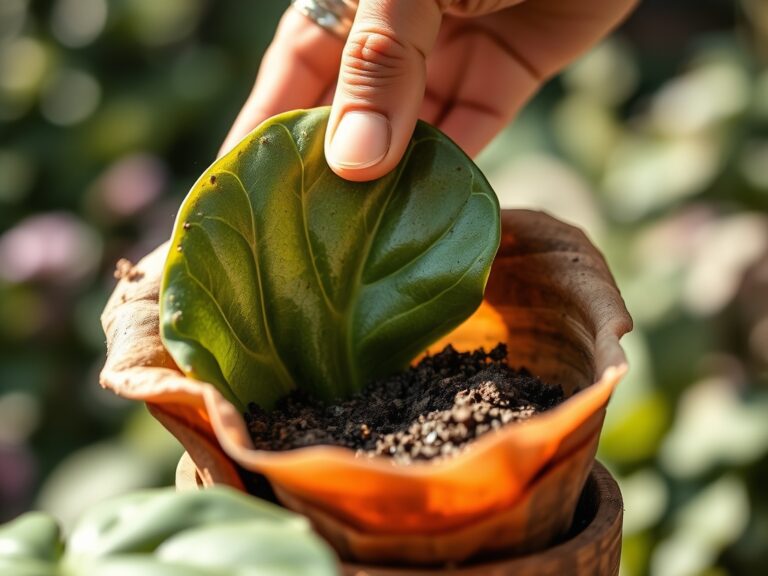
Propagation is most effective via leaf cuttings. Select a healthy, mature leaf and sever the petiole at a 45-degree angle using a sterilized blade. Insert the petiole into a moist, sterile starter mix. Do not apply fertilizer during this phase. The cutting relies on stored carbohydrates for initial root initiation.
Pro-Tip: Rooting is driven by auxin concentration at the base of the petiole. Adding fertilizer too early can increase the salinity of the medium, which inhibits the osmotic pull required for the cutting to hydrate before roots form.
Transplanting
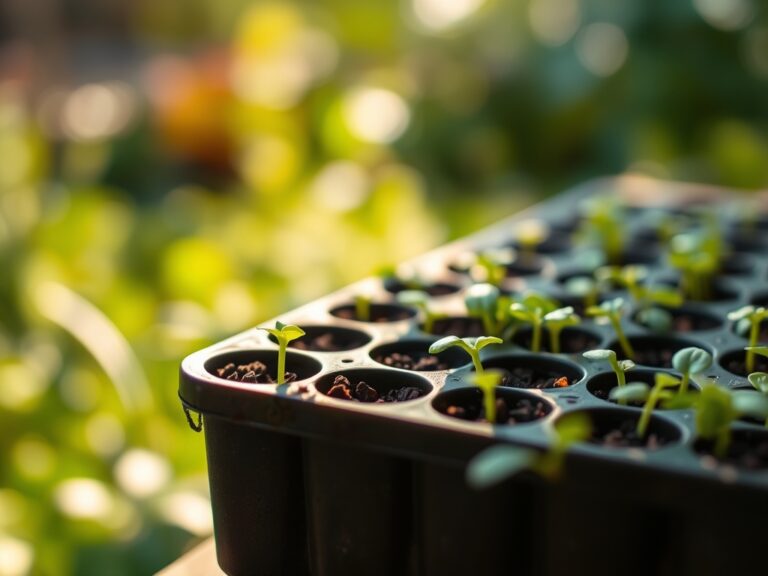
Move the plantlet once it develops at least four distinct leaves. Use a pot that is exactly one-third the diameter of the leaf span. This restriction encourages the plant to reach the reproductive phase faster. During transplanting, incorporate a very dilute solution of specialized fertilizer to settle the soil and eliminate air pockets around the roots.
Pro-Tip: This phase utilizes thigmotropism, where root contact with the container walls signals the plant to stop lateral root expansion and begin upward floral growth.
Establishing
Once established, the plant requires "constant feed" fertilization. Mix the specialized fertilizer at one-quarter strength and apply it every time you water. This prevents the "boom and bust" cycle of nutrient availability, maintaining a steady osmotic pressure within the vascular system.
Pro-Tip: Consistent phosphorus levels support mycorrhizal symbiosis if beneficial fungi are present, though most indoor violets rely on direct chemical absorption through the root hairs.
The Clinic:
Physiological disorders in African Violets are often misidentified as pathogens when they are actually nutritional or environmental.
- Symptom: Tight, brittle center leaves with a greyish cast.
- Solution: This indicates cyclamen mite activity or excessive light. If the leaves are physically distorted, discard the plant to prevent spread. If it is light-related, move the plant 6 inches further from the light source.
- Symptom: Yellowing of lower leaves (Chlorosis).
- Solution: This is a Nitrogen deficiency. The plant is mobile-loading nitrogen from old growth to support new leaves. Increase the frequency of your specialized fertilizer applications.
- Symptom: Orange crust on the pot rim or soil surface.
- Solution: This is salt accumulation from hard water or over-fertilizing. Flush the soil with distilled water equal to three times the volume of the pot.
Fix-It: For Magnesium deficiency (interveinal chlorosis), add one-eighth teaspoon of Epsom salts to one gallon of your fertilizer solution once a month.
Maintenance:
Precision is the difference between a surviving plant and a specimen-grade violet. Use a soil moisture meter to ensure the substrate never drops below 20 percent moisture content. African Violets should never be "top-watered" as water on the foliage causes necrotic spots due to cell chilling.
Apply water to the saucer and allow the plant to "bottom-wick" for 20 minutes. Discard any standing water after this period to prevent root senescence. Use a hori-hori knife to gently loosen the top half-inch of soil every three months to prevent compaction. Use bypass pruners to remove spent blooms at the base of the pedicel; this prevents the plant from wasting energy on seed production.
The Yield:
While not an edible crop, the "yield" of an African Violet is its floral display. Peak bloom occurs when the plant is slightly root-bound and receiving 1,000 to 1,200 foot-candles of light. To maintain freshness, remove dead flowers immediately to prevent the growth of Botrytis cinerea. If you are showing the plant, use a soft brush to remove dust from the leaf hairs (trichomes) to maximize photosynthetic efficiency.
FAQ:
How often should I use specialized violet fertilizer?
Use a one-quarter strength dilution every time you water. This constant-feed method maintains stable nutrient levels in the rhizosphere. It prevents the salt spikes associated with monthly full-strength feeding.
Can I use a standard 10-10-10 fertilizer instead?
Generic fertilizers often contain urea, which can burn African Violet roots. Specialized formulas provide nitrogen in nitrate form. They also contain higher phosphorus levels necessary for the induction of flowering.
What happens if I over-fertilize my African Violet?
Excessive salts cause root tip burn, leading to wilted leaves despite wet soil. You may also see "haloing" or orange crusting on the pot. Flush the medium with clear, room-temperature water immediately.
Why are my violet leaves turning pale green?
Pale foliage usually indicates a Nitrogen deficiency or insufficient light. Ensure you are using a fertilizer with a balanced nitrogen source. Verify that the plant is receiving at least 12 hours of indirect light daily.