9 Best Stones for Garden Renovation: Textures and Colors
Damp earth releases a sharp, metallic scent as the spade breaks the surface; this is the smell of geosmin reacting with fresh oxygen. A healthy garden relies on more than just the turgor pressure of a leaf or the nutrient density of the soil. Hardscaping provides the skeletal structure required for long term success. Selecting the best stones for garden renovation requires an understanding of thermal mass and mineral leaching. Every rock introduced to the landscape alters the microclimate and the chemical composition of the runoff entering the rhizosphere.
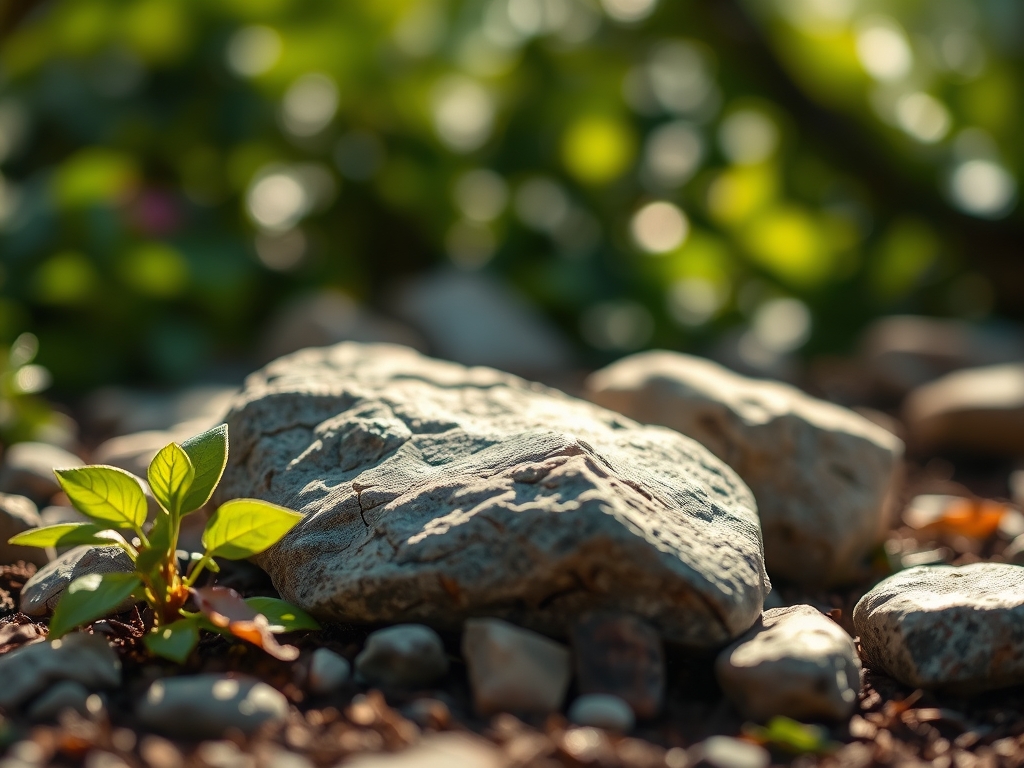
Success in renovation starts with structural integrity. Stones are not merely decorative; they act as thermal sinks that regulate soil temperature during nocturnal cooling. Darker stones like basalt absorb solar radiation, warming the root zone for heat loving species. Conversely, light colored limestones reflect light, preventing the scorching of delicate surface roots in high UV environments. This guide examines nine specific stone types through the lens of geological stability and horticultural compatibility.
Materials:
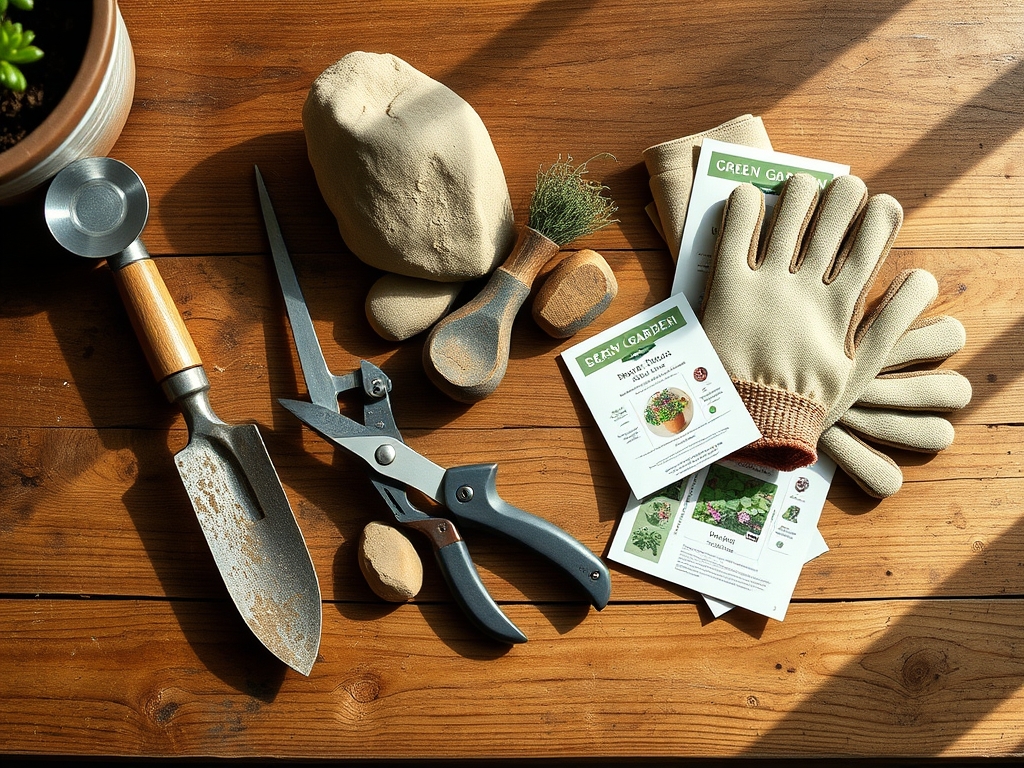
The interaction between stone mineralogy and soil chemistry is critical. When integrating stone, the underlying substrate should be a friable loam with a Cation Exchange Capacity (CEC) between 15 and 25 meq/100g. This ensures the soil can retain the nutrients provided by specific NPK applications.
- Mexican Beach Pebbles: Smooth, volcanic stones with high density. Ideal for modern aesthetics.
- Pea Gravel: Small, rounded river stones. Excellent for drainage and suppressing weeds without compacting the soil.
- Decomposed Granite (DG): Fine, weathered particles. Highly permeable; maintains a pH of 6.0 to 7.0.
- Flagstone (Sandstone/Slate): Large, flat slabs. Best for high traffic paths to prevent soil compaction over the root zone.
- River Rock: Varied sizes. Used for dry creek beds to manage heavy runoff and prevent erosion.
- Crushed Limestone: High calcium carbonate content. Can raise soil pH; use only with alkaline loving plants.
- Lava Rock (Scoria): Highly porous with high surface area. Excellent for moisture retention and aeration.
- Slate Chips: Flat and sharp. Effective for deterring soft bodied gastropods through physical abrasion.
- Travertine: A form of terrestrial limestone. Durable and stays cool under direct sunlight.
For most stone integrated beds, a baseline NPK ratio of 10-10-10 is recommended during the initial renovation phase to offset any nutrient immobilization caused by microbial activity in the new mulch layers.
Timing:
Renovation should occur during the dormant season to minimize stress on the vascular systems of existing perennials. In Hardiness Zones 5 through 7, the ideal window is late autumn or early spring when the ground is not frozen but the plants are in senescence.
The biological clock of the garden dictates that structural changes must be completed before the vernalization period ends. Once soil temperatures reach a consistent 55 degrees Fahrenheit, the transition from vegetative dormancy to active growth begins. Installing stone during the reproductive stage (flowering) can cause mechanical damage to the fine root hairs, leading to a drop in turgor and potential stunted growth.
Phases:
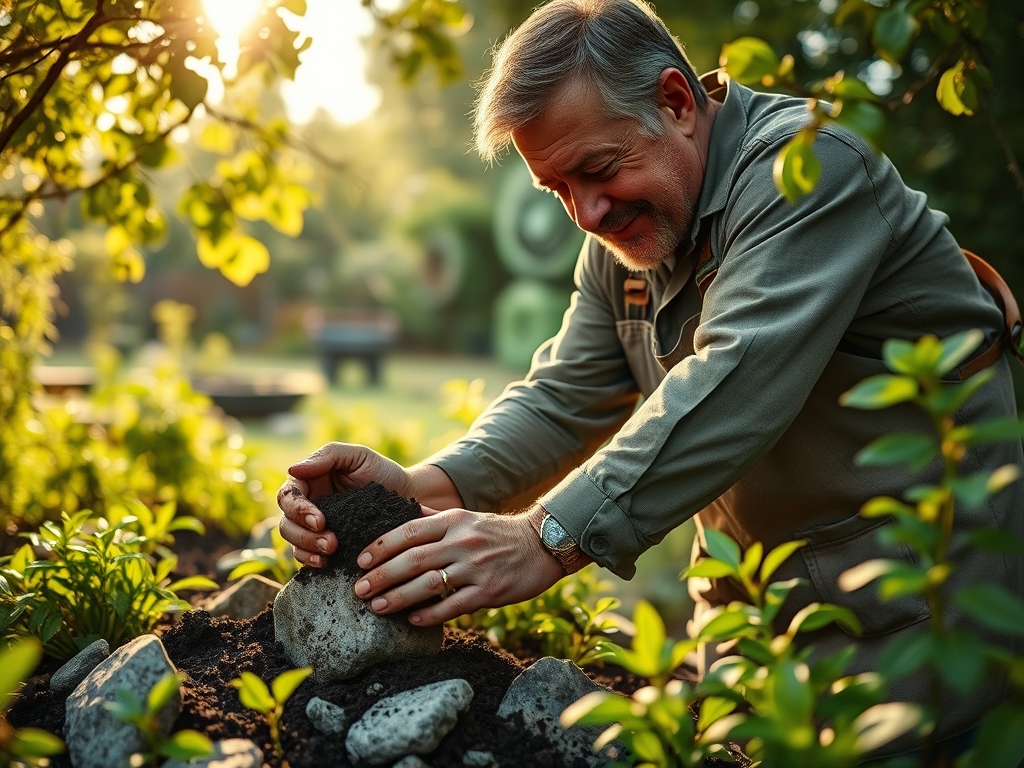
Sowing and Preparation
Before placing any stone, the site must be cleared of invasive species and the soil graded to a 2 percent slope away from structures. This prevents hydrostatic pressure from building up in the root zones.
Pro-Tip: Incorporate mycorrhizal fungi into the top three inches of soil before laying stone. This symbiotic relationship increases the surface area of the root system by up to 100 times, allowing plants to access water trapped in the micro-pores of the stone mulch.
Transplanting
When placing plants within a stone matrix, dig a hole twice as wide as the root ball. Ensure the crown of the plant sits 0.5 inches above the stone line to prevent crown rot, a common physiological disorder in stone mulched beds.
Pro-Tip: Use a hori-hori knife to slice through any circling roots. This triggers auxin suppression at the root tip, which stimulates the growth of new, lateral roots into the surrounding friable loam.
Establishing
After the stone is laid, irrigation must be adjusted. Stone mulches reduce evaporation but can increase soil temperature. Monitor the rhizosphere daily for the first 14 days.
Pro-Tip: Place larger stones near the base of young shrubs to utilize thermal mass. The stone releases heat at night, protecting the plant from late spring frosts and maintaining a more consistent metabolic rate.
The Clinic:
Physiological disorders often arise when the wrong stone is paired with sensitive species.
-
Symptom: Interveinal chlorosis (yellowing leaves with green veins) in acid loving plants.
-
Solution: This is often Nitrogen chlorosis or iron deficiency caused by alkaline leaching from limestone.
-
Fix-It: Apply chelated iron and sulfur to lower the pH to a range of 5.5 to 6.5. Replace limestone with slate or granite.
-
Symptom: Wilting despite moist soil.
-
Solution: Root asphyxiation due to lack of oxygen in compacted soil under heavy stones.
-
Fix-It: Use a soil moisture meter to verify saturation levels. Incorporate coarse lava rock to improve macropore space for gas exchange.
-
Symptom: Necrotic leaf margins (burnt edges).
-
Solution: Heat stress from dark stones reflecting infrared radiation onto the foliage.
-
Fix-It: Increase irrigation frequency or top dress with a lighter colored stone to increase the albedo effect.
Maintenance:
A stone renovated garden requires precise moisture management. Deliver 1.5 inches of water per week directly at the drip line using a soaker hose buried beneath the stone layer. This prevents surface evaporation and ensures deep root penetration.
Use bypass pruners to remove any dead or diseased tissue (senescence) as soon as it appears. This prevents fungal spores from overwintering in the crevices between stones. Every spring, use a leaf blower on a low setting to remove organic debris from the stone surface. If left to decompose, this debris will create a "perched water table" on top of the stones, encouraging weed germination.
Verify soil health annually with a professional lab test. Focus on the CEC and the levels of micronutrients like manganese and zinc, which can be affected by the mineral breakdown of the decorative stones.
The Yield:
For gardens incorporating edible herbs among the stones, harvest timing is paramount. Harvest most herbs just before the photoperiod triggers flowering, as this is when essential oil concentration is highest. Use sharp shears to make clean cuts, preserving the plant's vascular integrity.
Post harvest, immediately submerge the stems in 40 degree Fahrenheit water to maintain turgor. This "cold shock" slows down the cellular respiration rate, ensuring the harvest remains fresh for several days. For stone fruit or ornamentals, ensure the harvest does not leave bruised tissue that could attract opportunistic pathogens.
FAQ:
Which stones are best for drainage?
Pea gravel and crushed granite are superior for drainage. Their irregular shapes prevent total compaction, allowing water to move freely into the rhizosphere. This prevents stagnant water from causing root rot in sensitive species.
Can stone mulch change soil pH?
Yes. Limestone and marble are calcium rich and will gradually raise the soil pH. This can lead to nutrient lockout for acid loving plants like azaleas. Always match stone mineralogy to the plant's chemical requirements.
How do I prevent weeds in stone paths?
Install a heavy duty, woven geotextile fabric beneath the stone. This provides a physical barrier while allowing gas exchange. Ensure the stone layer is at least 3 inches deep to block light from reaching dormant seeds.
Does stone mulch attract pests?
Stone can provide habitat for various organisms. However, sharp stones like slate chips or crushed lava rock act as a mechanical deterrent for soft bodied gastropods. Proper airflow and debris removal are essential to minimize pest pressure.