8 Steps to Prepare for a New Trellis During a Renovation
Crushed basalt and the sharp scent of damp humus signal the start of a structural overhaul. Success in vertical gardening depends on the turgor pressure within the vascular system of your climbers; if the plant cannot maintain internal water pressure, it will never scale a vertical plane. Learning how to prepare a garden for a trellis requires more than driving stakes into the dirt. It demands a clinical assessment of the rhizosphere to ensure the soil can support the massive biomass of a mature vine. A single Wisteria or indeterminate tomato plant can exert over fifty pounds of downward force when fully laden with fruit or foliage. You must engineer the site to handle this load while optimizing the Cation Exchange Capacity (CEC) of the soil. This ensures that the nutrients required for rapid vertical elongation are bioavailable at the root hair level before the first tendril ever makes contact with the lath.
Materials:
The substrate must be a **friable loam** consisting of 40 percent sand, 40 percent silt, and 20 percent clay. This balance prevents compaction around the trellis footings. Aim for a **soil pH between 6.2 and 6.8** to maximize the solubility of phosphorus, which is critical for the root development needed to anchor a vertical load.
For the initial amendment, utilize a slow release organic fertilizer with an NPK ratio of 5-10-5. The elevated phosphorus (the middle number) encourages a robust skeletal structure in the plant. Avoid high nitrogen (N) counts during the installation phase; excessive nitrogen leads to rapid, succulent growth that lacks the lignification necessary to resist wind shear against the trellis. Incorporate 2 pounds of bone meal per 100 square feet to provide a steady calcium source, preventing blossom end rot in fruiting climbers.
Timing:
The installation window is dictated by the frost free date of your specific Hardiness Zone. In Zones 5 through 7, the ideal time to prepare the site is four weeks before the last predicted frost. This allows the soil to settle around the structural supports. The biological clock of the plant is governed by the photoperiod. Most climbing species transition from vegetative growth to reproductive stages as day length shifts.
You must have the trellis in place before the plant reaches the six inch height mark. Once a seedling begins to produce auxins at the apical meristem, it seeks a point of attachment. If a support is not found immediately, the plant may experience a growth lag or "sprawl stress," where the stem begins to thicken in a horizontal orientation, making it difficult to train upward later without causing mechanical damage to the xylem.
Phases:
Sowing and Site Prep
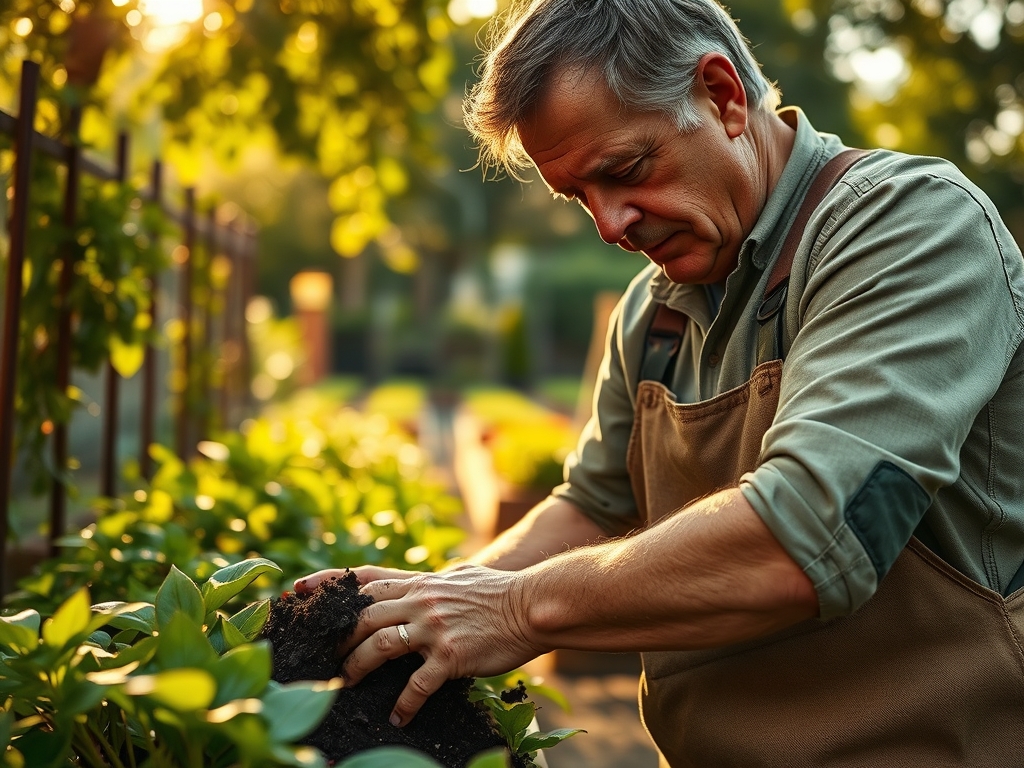
Excavate a trench 12 inches deep and 12 inches wide along the line where the trellis will stand. This volume of loosened soil allows for rapid lateral root expansion. If sowing seeds directly, ensure the soil temperature has reached a consistent 60 degrees Fahrenheit. Use a soil thermometer to verify this; planting in cold, anaerobic mud leads to seed decay.
Pro-Tip: Incorporate mycorrhizal inoculants into the sowing hole. This creates a mycorrhizal symbiosis where fungal hyphae extend the reach of the root system, increasing the surface area for water absorption by up to 100 times.
Transplanting
When moving nursery starts to the trellis base, maintain the same soil level as the original container. Deep planting can lead to stem rot. Space the plants 18 to 24 inches apart to allow for adequate airflow, which reduces the incidence of fungal pathogens like powdery mildew.
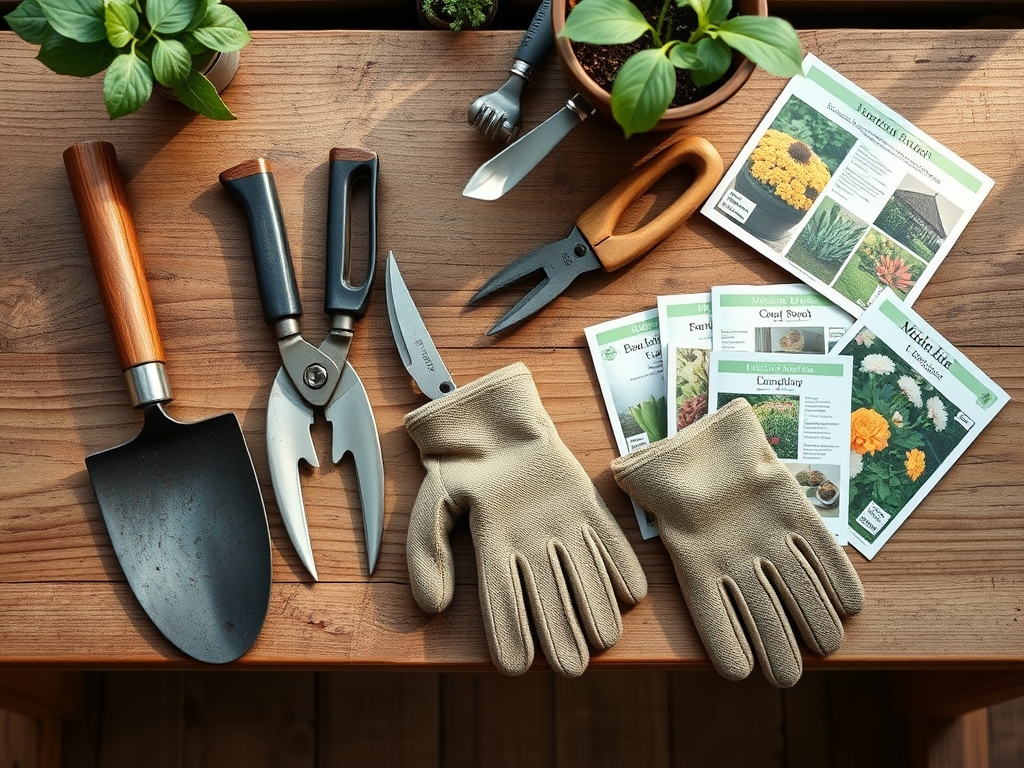
Pro-Tip: Use a hori-hori knife to slice through any circling roots. This triggers a wound response that stimulates the production of new, outward growing root tips, preventing the plant from becoming "pot bound" in the open ground.
Establishing and Training
As the plant grows, use soft garden twine to loosely secure the main lead to the trellis. Do not tie the knots tight. The stem needs room for secondary growth, which is the increase in girth as the plant matures.
Pro-Tip: Practice auxin suppression by occasionally pinching the very tip of the main leader. This temporarily halts the flow of auxins down the stem, which encourages lateral branching and results in a fuller, more balanced coverage of the trellis surface.
The Clinic:
Physiological disorders often manifest when the vertical environment is not properly managed.
- Symptom: Interveinal chlorosis (yellowing between leaf veins) on older leaves.
- Solution: This indicates a Magnesium deficiency. Apply a foliar spray of Epsom salts (1 tablespoon per gallon of water) to restore chlorophyll production.
- Symptom: Leaf curl and stunted apical growth.
- Solution: Check for Calcium immobility. Ensure consistent soil moisture at 1.5 inches per week; calcium moves through the plant via the transpiration stream and stops if the soil dries out.
- Symptom: Anthocyanin accumulation (purple tinting on stems and leaves).
- Solution: This is a sign of Phosphorus deficiency, often caused by soil temperatures below 55 degrees Fahrenheit. Mulch the base with dark organic matter to increase soil heat.
Fix-It: For general Nitrogen chlorosis (uniform paling of the entire leaf), apply a liquid kelp or fish emulsion at half strength. This provides an immediate nitrogen boost that the plant can assimilate through both roots and stomata.
Maintenance:
Precision is required to sustain a vertical garden. Use a soil moisture meter to ensure the root zone remains at 60 to 70 percent field capacity. Most climbers require 1.5 inches of water per week, delivered at the drip line rather than the base of the trellis to encourage roots to spread.
Pruning is a clinical necessity. Use bypass pruners to remove any "suckers" or non-productive growth that diverts energy from the main structural vines. Sterilize your tools with a 10 percent bleach solution between every plant to prevent the transmission of vascular wilt. In mid summer, monitor the tension of your trellis wires; the increasing weight of the plant can cause structural failure if the anchors are not tightened.
The Yield:
For edible climbers like pole beans or cucumbers, harvest timing is critical to prevent the plant from entering senescence. If fruit is left to over-ripen, the plant receives a hormonal signal that its reproductive cycle is complete, causing it to stop producing new flowers.
Harvest beans when they are the diameter of a pencil. Use a sharp blade to sever the pedicel; pulling the fruit by hand can tear the delicate skin of the vine. For "day-one" freshness, submerge the harvested produce in 40 degree Fahrenheit water immediately to remove field heat and maintain cellular turgor.
FAQ:
How deep should trellis posts be buried?
Posts should be buried at least 24 inches deep or one third of the total height of the post. For heavy climbers, use a concrete footer to ensure the structure does not lean as the plant gains biomass.
What is the best material for a garden trellis?
Cedar and redwood are preferred for their natural resistance to rot. If using metal, ensure it is powder coated or galvanized to prevent rust from leaching into the soil and altering the mineral balance of the rhizosphere.
How do I stop my trellis from falling over?
Install earth anchors or guy wires on the side opposite the prevailing wind. Increasing the surface area of the footings and ensuring the soil is compacted around the base will provide the necessary lateral stability for high-wind environments.
Can I grow perennials on a temporary trellis?
It is not recommended. Perennial vines like Clematis develop woody stems that become integrated into the structure. Removing a temporary trellis after several seasons will cause significant mechanical damage to the plant's permanent vascular framework.