8 Maintenance Steps to Prepare a DIY Daily Humidity Mister
Learning how to prepare a DIY plant mister requires understanding both water chemistry and droplet physics. Tropical understory species and seedlings demand relative humidity between 70-85%, yet municipal tap water contains chlorine compounds, dissolved minerals, and pH values often exceeding 7.5. A properly designed daily humidity mister delivers 5-15 micron droplets without leaving mineral deposits on stomata or encouraging fungal pathogens. The difference between thriving calatheas and brown leaf margins often lies in mist composition rather than frequency.
Materials
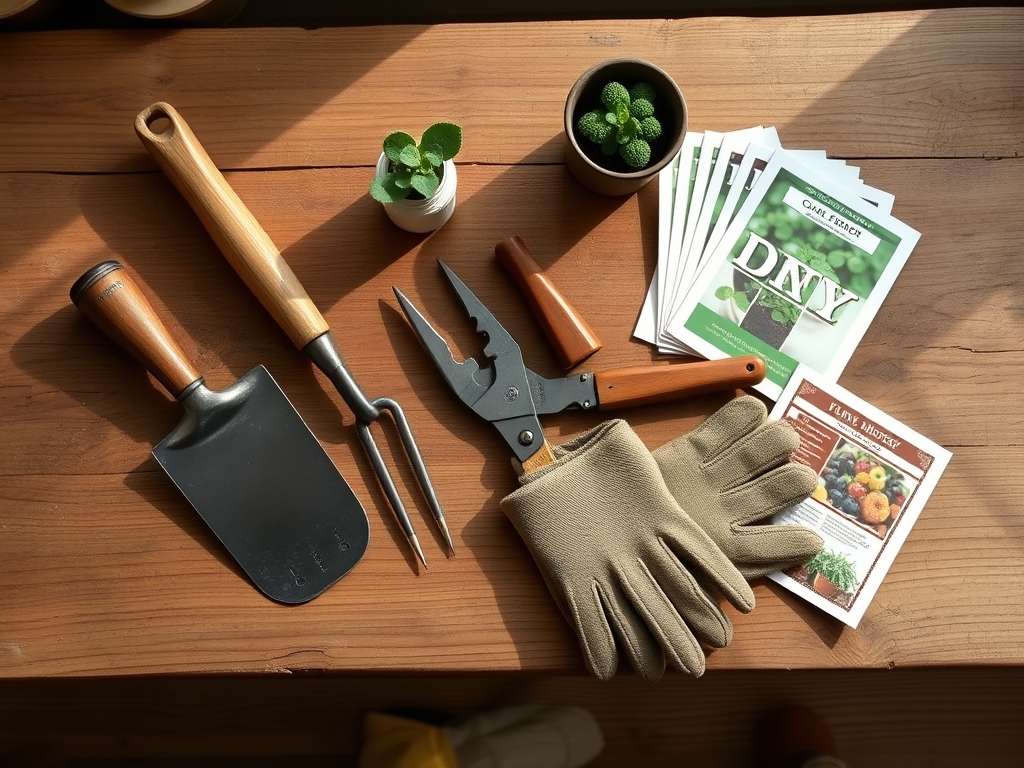
Select a glass spray bottle with continuous-spray trigger mechanism rated for 0.5 ml per second output. Glass prevents endocrine-disrupting plasticizers from leaching into your solution. Aluminum or brass nozzles maintain consistent droplet size better than plastic alternatives.
For base water, distilled or reverse osmosis water eliminates chlorine, chloramine, and dissolved solids. Test pH using digital meter accurate to 0.1 units. Target range spans 5.8-6.5, matching the natural pH of rainwater and optimal for foliar absorption.
Add kelp extract at 1/4 teaspoon per quart, providing trace minerals and natural cytokinins that regulate stomatal opening. Kelp naturally contains NPK ratio near 1-0.5-2 plus 60+ micronutrients including boron, molybdenum, and zinc. This biological profile supports auxin distribution in new growth without risk of fertilizer burn on delicate foliage.
Include 1/8 teaspoon food-grade silica per quart. Soluble silica strengthens cell walls and increases resistance to piercing-sucking insects like spider mites. The element improves cation exchange capacity at the leaf surface, allowing better nutrient uptake through foliar pathways.
Optional additives include 2-3 drops superthrive per gallon for stressed plants recovering from transplant shock, or 1/4 teaspoon aloe vera powder per quart during active growth phases when cell division rates peak.
Timing
Application timing follows both circadian rhythms and regional climate patterns. In USDA Hardiness Zones 3-7, indoor humidity plummets during heating season from October through April. Misting frequency increases to twice daily during this period.
Zones 8-11 face opposite challenges during air conditioning season when dehumidification strips moisture. Increase applications from May through September in these regions.
Mist between 8-10 AM when stomata naturally open for gas exchange. This window allows leaf surfaces to dry before nightfall, preventing botrytis and other moisture-dependent pathogens. A second application between 2-4 PM suits high-transpiration species like ferns and aroids.
Avoid misting within three hours of sunset. Extended leaf wetness overnight creates ideal conditions for damping off fungi and bacterial leaf spots. Temperature drops after dark slow evaporation rates, leaving surfaces vulnerable.
Phases

Sowing Phase
Seedlings require consistent 75-80% humidity for cotyledon emergence. Prepare quarter-strength misting solution using 1/16 teaspoon kelp per quart. Direct spray 6-8 inches above seed trays, allowing mist to settle rather than blasting delicate growing medium.
Mist three times daily at 8 AM, 12 PM, and 4 PM during germination week. Once cotyledons fully expand, reduce to twice daily to promote stronger stem development.
Pro-Tip: Add mycorrhizal fungi spores at 1/8 teaspoon per gallon during final pre-transplant misting. Spores colonize young roots within 72 hours, increasing water uptake efficiency by 40%.
Transplanting Phase
Shock reduction depends on maintaining turgidity in transplanted specimens. Increase kelp concentration to 1/2 teaspoon per quart for seven days post-transplant. This elevated cytokinin level reduces ethylene production, the stress hormone causing leaf drop.
Mist entire canopy until fine droplets form on all leaf surfaces but stop before runoff occurs. Target three applications daily for first three days, then taper to standard twice-daily schedule.
Pro-Tip: Add 1/4 teaspoon fulvic acid per quart during transplant phase. This carbon-based compound chelates nutrients and improves membrane permeability, accelerating root establishment by 25%.
Establishing Phase
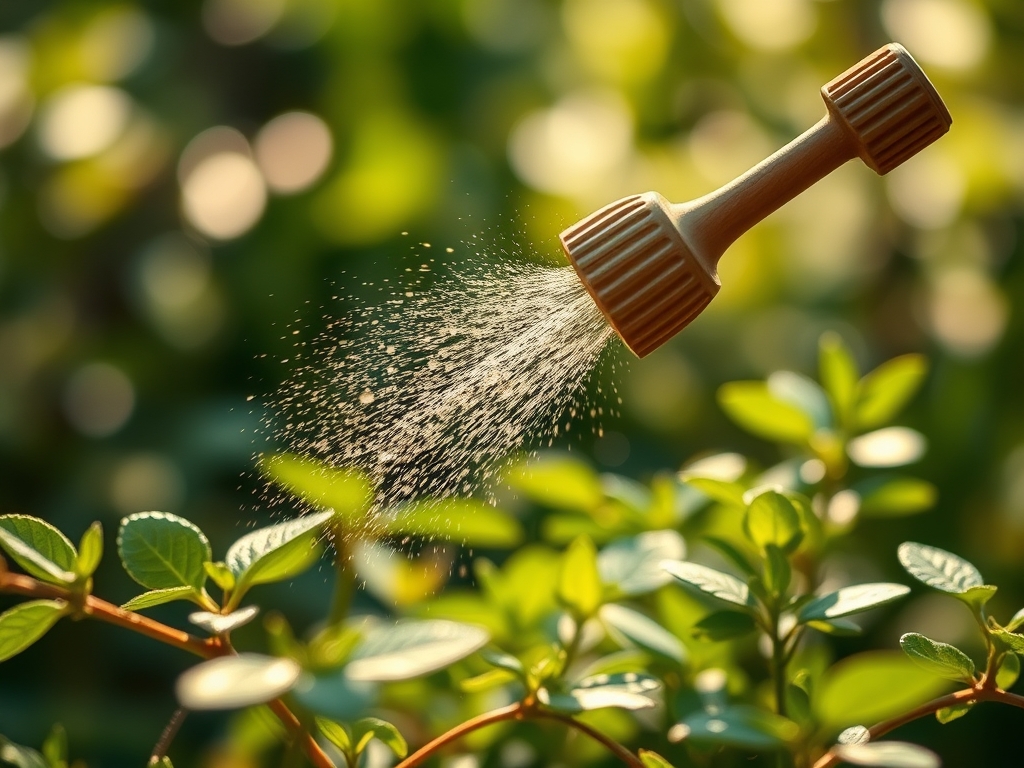
Mature plants enter maintenance rhythm after 14 days in new containers. Return to standard solution strength. Focus misting on undersides of leaves where stomata concentrate in most species. Hold nozzle 10-12 inches from foliage and use sweeping motions rather than fixed-position spraying.
Monitor trichome development on species with fuzzy leaves. These structures trap water and may require reduced misting frequency to prevent rot in leaf axils.
Pro-Tip: Prune damaged leaf tips at 45-degree angles before beginning mist regimen. This specific cut angle minimizes moisture accumulation at wound sites while promoting rapid callus formation.
Troubleshooting
Symptom: White crusty deposits accumulating on leaf surfaces and pot rims.
Solution: Mineral buildup indicates excessive dissolved solids in source water. Switch to distilled water exclusively and wipe existing deposits with 1:10 vinegar solution on microfiber cloth.
Symptom: Brown spots with yellow halos appearing 24-48 hours after misting.
Solution: Bacterial leaf spot from nighttime moisture or contaminated solution. Discard current batch, sterilize bottle with 10% bleach solution, rinse thoroughly, and restrict misting to morning hours only.
Symptom: Fine webbing between leaves and stippled yellowing on upper surfaces.
Solution: Spider mite infestation. Increase humidity to 80% with four daily mistings. Add 1 tablespoon neem oil per quart for seven days. The oil disrupts mite reproductive cycles while silica hardens leaf tissue against piercing mouthparts.
Symptom: Fuzzy gray mold developing on stems or leaf bases.
Solution: Botrytis cinerea from poor air circulation and extended wetness. Reduce misting frequency by half and improve airflow with small fan set to continuous low speed. Remove affected tissue with sterile blade cut 1 inch below visible infection.
Symptom: Leaf edges curling despite regular misting.
Solution: Indicates salt accumulation in growing medium from hard water or over-fertilization. Flush containers with three times pot volume of distilled water. Resume misting with reduced kelp concentration at 1/8 teaspoon per quart.
Maintenance
Replace misting solution every 72 hours even if bottle contains remaining liquid. Bacterial populations double every 20 minutes in nutrient-rich water at room temperature. Stale solution introduces pathogens directly onto vulnerable leaf tissue.
Clean spray mechanism weekly by running 1:20 vinegar-to-water solution through nozzle. Pump trigger 15-20 times, let sit for 10 minutes, then flush with distilled water. Mineral deposits clog nozzle orifices and alter droplet size distribution.
Calibrate misting coverage monthly. Place paper towels beneath canopy and mist normally. Examine towel for even droplet distribution. Adjust nozzle or spray pattern if coverage shows dry spots larger than 2 square inches.
Store prepared solution in refrigerator at 38-42°F if not used within 24 hours. Cold temperatures slow microbial growth without damaging kelp enzymes. Return to room temperature 30 minutes before application to prevent shocking warm-adapted tropical species.
Monitor leaf surface pH monthly using indicator strips pressed gently against upper leaf surface. Readings above 7.0 suggest alkaline buildup. Correct by reducing solution pH to 5.5 for two weeks.
FAQ
How often should I mist plants with thick, waxy leaves?
Species with substantial cuticle layers like rubber trees or jade plants need misting only twice weekly. Thick cuticles evolved to retain moisture, making frequent applications counterproductive and potentially fostering fungal issues.
Can I add essential oils to my DIY plant mister?
Avoid essential oils entirely. These concentrated compounds damage cell membranes and block stomatal openings. Use neem oil only, diluted properly at 1 tablespoon per quart for pest control specifically.
What water temperature works best for misting?
Maintain solution between 65-72°F. Cold water below 60°F shocks tropical species and slows nutrient absorption. Water above 75°F encourages bacterial multiplication in spray bottle reservoir.
How do I know if my plants need more frequent misting?
Install hygrometer 6 inches from plant canopy. Readings consistently below 60% indicate need for additional applications. Brown leaf tips, slow unfurling of new leaves, and crispy margins signal chronic low humidity.
Should I mist flowering plants?
Avoid misting open flowers and developing buds. Water on petals promotes botrytis petal blight and shortens bloom duration. Direct spray to foliage only, maintaining 8-inch distance from flowering stems.