8 Low-Maintenance Steps to Prepare a Native Food Garden
The soil in a native vegetable garden carries the blueprint of centuries. Understanding how to prepare a garden for a native vegetable garden begins with recognizing that indigenous cultivars have evolved alongside local fungi, pollinators, and soil chemistry. These plants do not require the synthetic amendments that commercial hybrids demand. Instead, preparation focuses on restoring natural nutrient cycles, adjusting cation exchange capacity, and introducing beneficial microbial communities that support auxin distribution at the root collar.
Materials
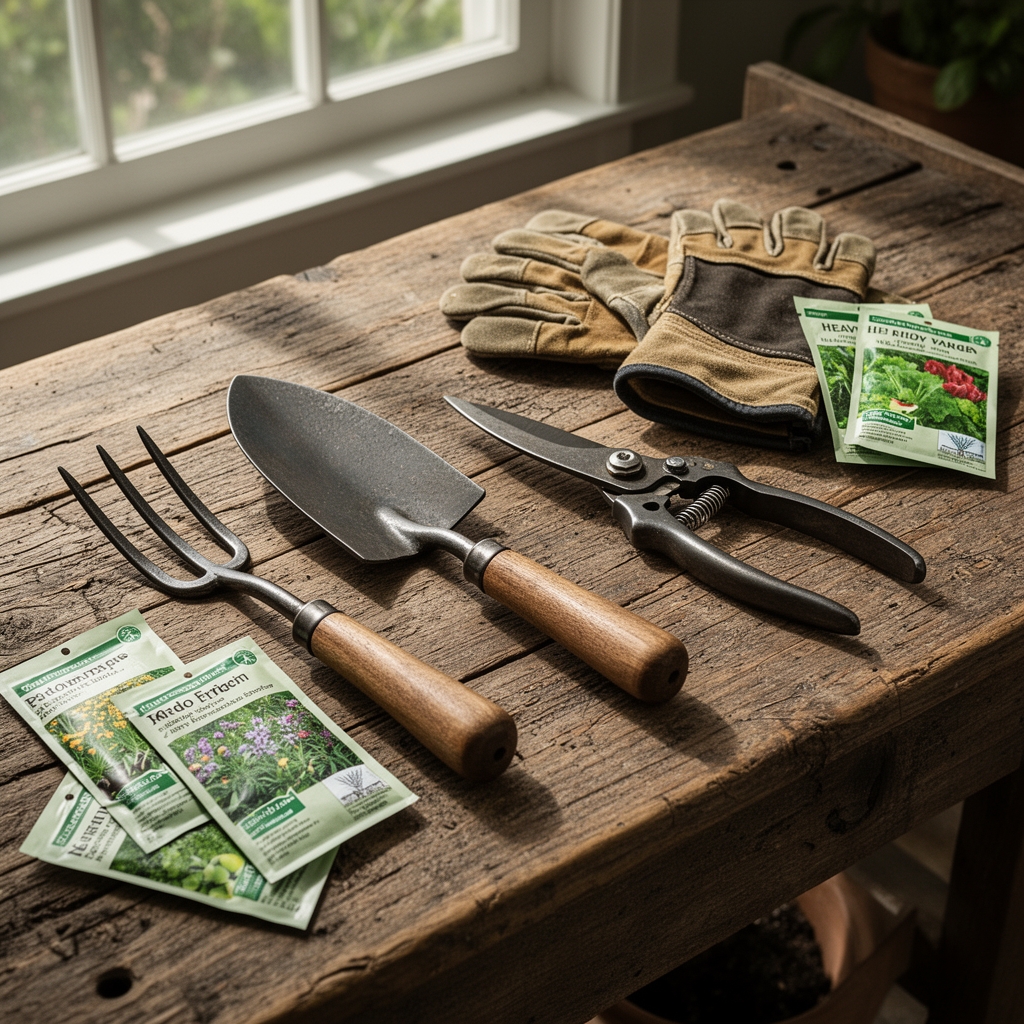
Soil amendments for native vegetables should mirror the organic matter profile of the region's forest floor or prairie topsoil. Conduct a baseline test to determine pH and existing macronutrient levels.
For acidic soils (pH 5.5–6.2):
- Aged hardwood compost (3-2-2 NPK ratio)
- Peat moss or coconut coir (neutral NPK, increases acidity)
- Feather meal (12-0-0) for slow-release nitrogen
For neutral to alkaline soils (pH 6.5–7.2):
- Composted manure (4-4-4 NPK ratio)
- Bone meal (3-15-0) for phosphorus
- Kelp meal (1-0.5-2.5) for trace minerals and growth hormones
Universal additions:
- Mycorrhizal fungi inoculant (minimum 150 propagules per gram)
- Biochar at 5% volume to improve cation exchange capacity
- Worm castings (1-0-0) for humic acid content
Tools include a broadfork for soil aeration without inversion, a soil thermometer calibrated to 50°F, and a refractometer to measure brix levels in test seedlings.
Timing
Native vegetable species align their germination cycles with regional temperature patterns and photoperiod cues. Preparation must account for these biological calendars.
Zones 3–5:
Begin soil amendment in late autumn, six weeks before first frost. This allows microbial populations to stabilize over winter dormancy. Sow cold-hardy species like wild onions and Jerusalem artichokes when soil reaches 45°F in early spring.
Zones 6–8:
Prepare beds in late winter, targeting soil temperatures of 50°F. Direct-sow native squash, beans, and amaranth after the final frost date plus 10 days. Fall crops can be planted 8 weeks before first frost.
Zones 9–10:
Year-round preparation is feasible. Focus on dry-season establishment (October through February) to reduce irrigation dependency. Native chiltepin peppers and desert marigolds establish best when daytime temperatures fall below 85°F.
Monitor soil temperature at 4-inch depth. Native seeds possess hard coats that require specific thermal triggers. Premature sowing leads to rot rather than germination.
Phases
Sowing Phase
Clear existing vegetation using the broadfork to preserve topsoil structure. Do not till. Tilling destroys fungal networks and brings buried weed seeds to the surface.
Spread a 3-inch layer of compost across the bed. Incorporate mycorrhizal inoculant at 1 teaspoon per square foot, mixing into the top 2 inches. Native plants depend on these fungi to access phosphorus in low-availability soils.
Pro-Tip: Scarify hard-coated seeds with 80-grit sandpaper for 10 seconds per seed. This mimics the abrasive action of animal digestion or freeze-thaw cycles, increasing germination rates by 40%.
Transplanting Phase
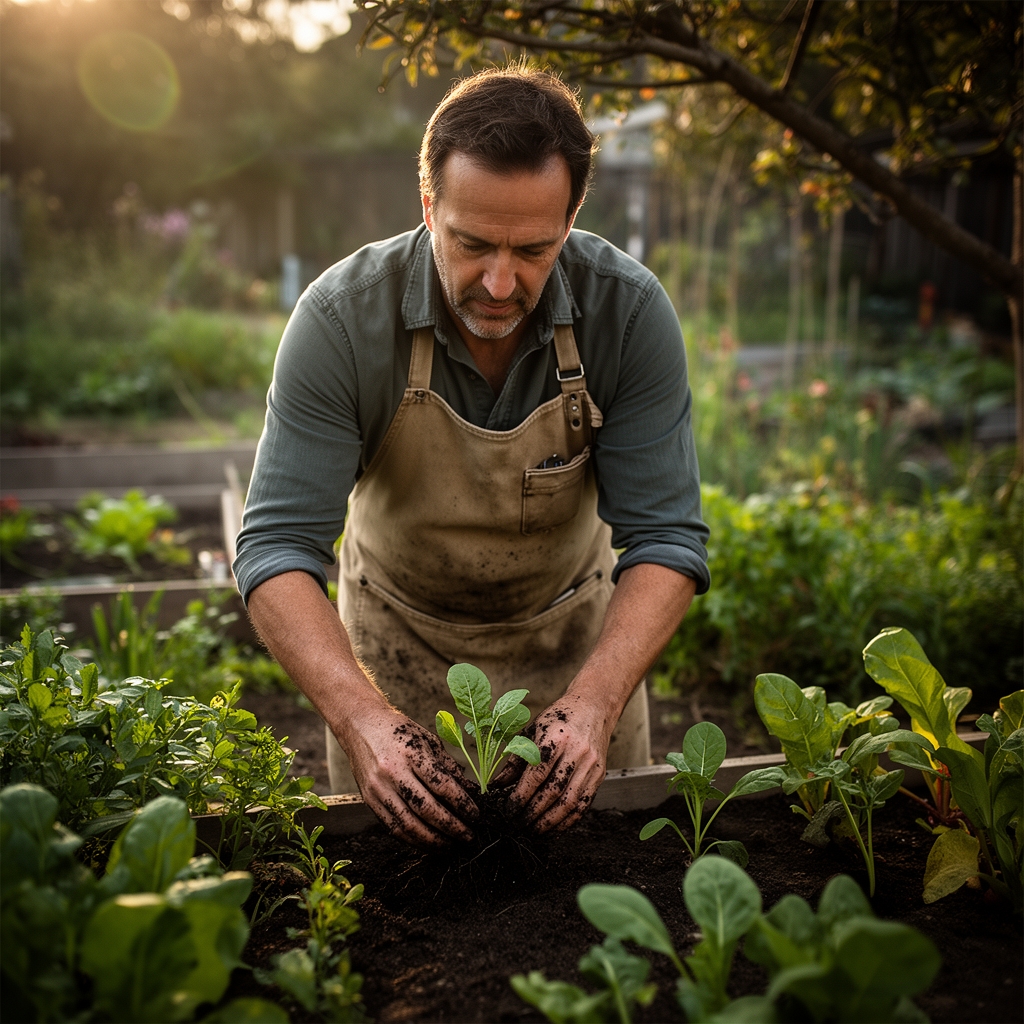
Native vegetables develop deep taproots. Transplant only when seedlings show true leaves but before the taproot circles the container. Roots longer than 6 inches rarely recover from transplant shock.
Dig holes twice the width of the root ball but identical in depth. Position the crown at grade level. Backfill with native soil mixed 50/50 with compost.
Water immediately with 1 quart per plant. Add a 2-inch mulch ring, keeping material 3 inches away from stems to prevent collar rot.
Pro-Tip: Dip bare roots in a slurry of mycorrhizal inoculant and water before planting. The fungi colonize the rhizosphere within 72 hours, improving drought tolerance during establishment.
Establishing Phase
Native vegetables require 6 to 8 weeks to develop the root mass necessary for low-maintenance survival. During this window, maintain consistent soil moisture at 1 inch per week, measured with a rain gauge.
Avoid high-nitrogen fertilizers. Excess nitrogen promotes leaf growth at the expense of root development and reduces the plant's ability to recruit mycorrhizal partners.
Pro-Tip: Prune early flowers at a 45-degree angle above the node. This redirects auxin distribution toward root expansion rather than reproduction, strengthening the plant's foundation.
Troubleshooting
Symptom: Yellowing lower leaves with green veins (interveinal chlorosis).
Solution: Iron deficiency caused by high pH. Apply chelated iron at 1 tablespoon per gallon of water. Adjust soil pH to 6.2 using sulfur at 1 pound per 100 square feet.
Symptom: Stunted growth and purple leaf undersides.
Solution: Phosphorus lockout. Inoculate with mycorrhizal fungi. Apply bone meal at 2 pounds per 100 square feet, watered in deeply.
Symptom: Wilting despite moist soil.
Solution: Root rot from poor drainage or overwatering. Reduce irrigation to 0.5 inch per week. Amend soil with coarse sand at 20% volume.
Symptom: Holes in leaves with slime trails.
Solution: Slugs. Apply diatomaceous earth in a 4-inch band around plants. Refresh after rain.
Symptom: White powdery coating on leaf surfaces.
Solution: Powdery mildew from poor air circulation. Space plants 18 inches apart. Spray with 1 tablespoon baking soda per gallon of water weekly.
Maintenance
Once established, native vegetables require minimal intervention. Water only during drought periods exceeding 2 weeks without rain. Apply 0.5 inch of water per session, delivered at dawn to reduce evaporation.
Mulch annually in early spring with 1 inch of leaf mold. This mimics natural forest litter and suppresses weeds without suffocating shallow feeder roots.
Fertilize every 8 weeks with compost tea diluted 1:4. Brew tea for 24 hours with active aeration to maximize beneficial bacteria counts.
Inspect plants weekly for pest pressure. Native species host specialized herbivores. Tolerate 10% leaf damage. Intervention is necessary only when damage exceeds 25%.
FAQ
How deep should I prepare the soil for native vegetables?
Work amendments into the top 6 inches. Native plants develop deep taproots that penetrate subsoil without assistance.
Can I use synthetic fertilizers on native vegetables?
Avoid synthetics. They disrupt mycorrhizal networks and cause salt accumulation. Use organic amendments with slow-release NPK ratios below 5-5-5.
When is the best time to harvest native vegetables?
Harvest in early morning after dew evaporates. Brix levels peak then, improving flavor and storage quality.
Do native vegetables need crop rotation?
Rotation is optional. Native plants develop symbiotic relationships with soil biology, making them less susceptible to soilborne diseases than annual hybrids.
How much space do native vegetables require?
Allow 18 to 24 inches between plants. Native cultivars develop larger root systems and canopies than modern compact varieties.