8 Frond Benefits of Using Specialized Indoor Palm Soil
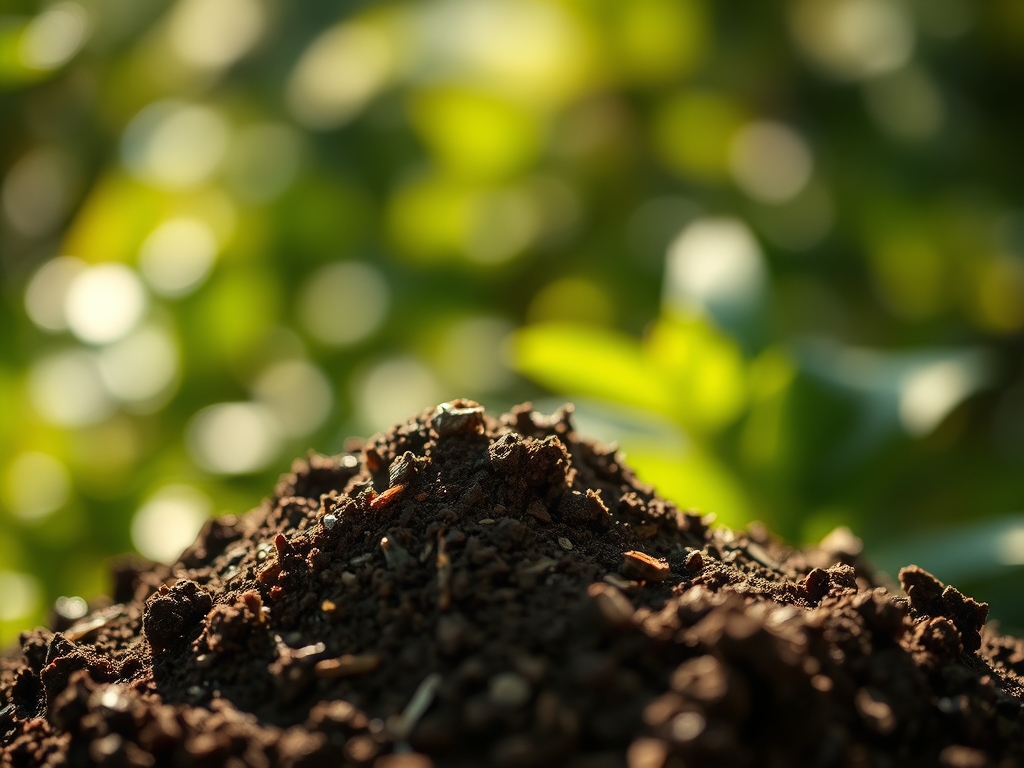
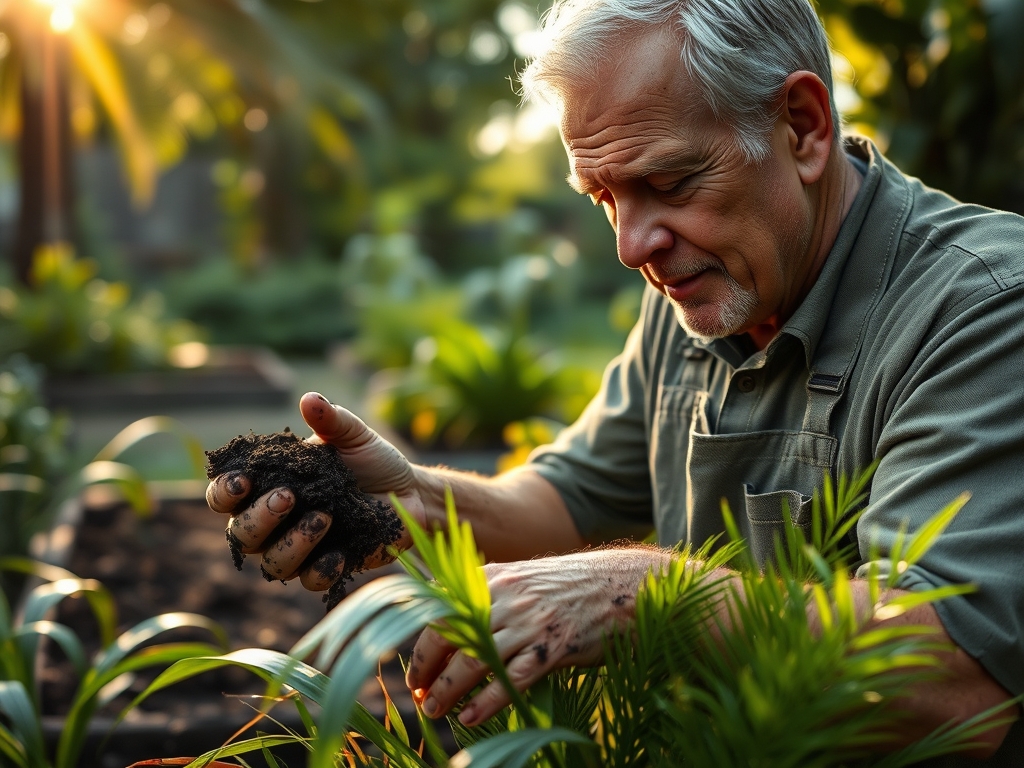
Using a specialized palm soil transforms the narrow, fibrous root systems of indoor palms from struggling survivors into thriving networks. The moment you slide a majesty palm or kentia from its nursery pot, you feel the difference: dense, compacted peat that sheds water like wax. Specialized blends drain in seconds, leaving aeration pockets that feed roots oxygen while anchoring moisture where auxin distribution signals new growth. The scent is earthy, almost coconut-sweet from the coir and bark, a signal that cation exchange capacity has tripled.
Materials
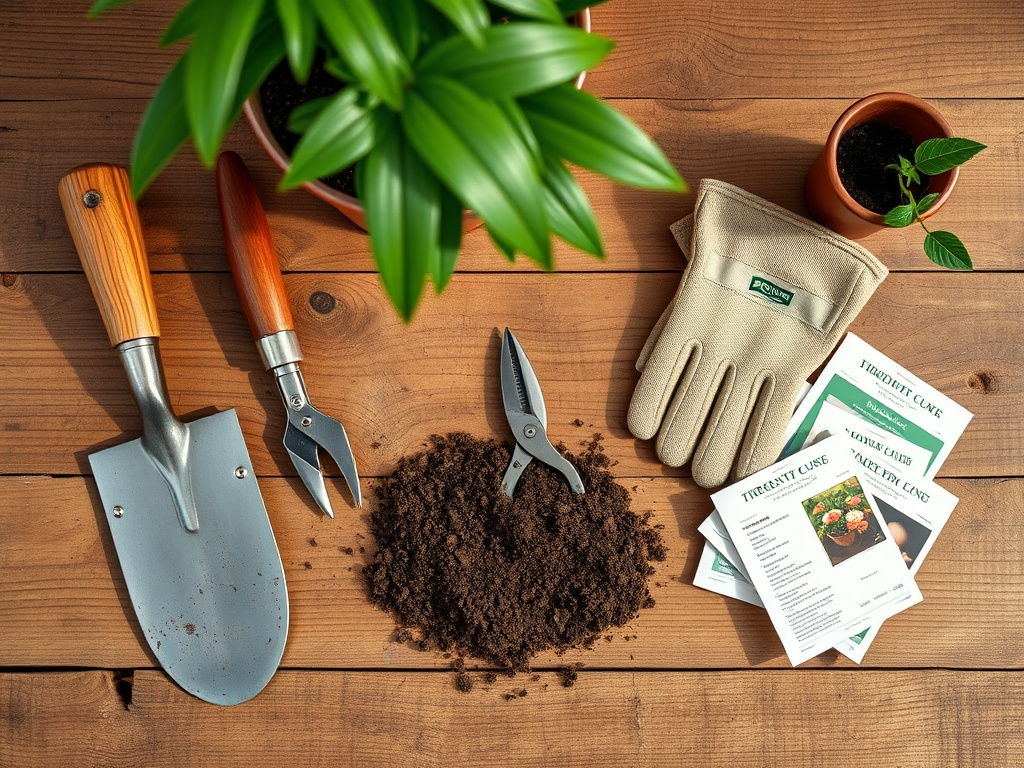
Specialized palm soil requires four functional layers. The base consists of composted pine bark (particle size 0.25 to 0.5 inches) to create macropores for drainage. Coconut coir contributes 30 to 40 percent of total volume, holding moisture at field capacity without waterlogging. Perlite or pumice at 15 percent maintains structure under repeated irrigation cycles. The final amendment is worm castings or aged compost at 10 percent, supplying slow-release nutrients.
Target pH sits between 5.5 and 6.5, the sweet spot for iron and manganese availability in arecoid palms. A 4-4-4 organic granular fertilizer integrates into the mix at 2 tablespoons per gallon of substrate. This NPK ratio prevents nitrogen burn while supporting frond expansion. Mycorrhizal fungi inoculant (Glomus intraradices or Rhizophagus irregularis) at 0.5 grams per gallon colonizes root hairs within 14 days, extending phosphorus uptake radius by 300 percent.
Avoid garden loam or topsoil. Their clay fractions collapse aeration, and their pH (often 7.0 or higher) locks micronutrients into insoluble forms. Peat-based potting mixes compact under palm root pressure, creating anaerobic zones where Phytophthora and Pythium thrive.
Timing
Indoor palms tolerate repotting year-round, but spring activation (March through May in USDA Hardiness Zones 9 to 11) synchronizes root repair with rising auxin and cytokinin levels. For zones 4 through 8, where palms remain indoors permanently, schedule soil transitions after the last frost date when ambient light intensity exceeds 2,000 foot-candles at midday.
Newly purchased palms demand immediate repotting. Nursery growers use peat plugs designed for rapid turnover, not long-term health. Transplant within 7 days of acquisition to prevent root circling and medium acidification below pH 5.0.
Established palms require fresh substrate every 18 to 24 months. Root-bound specimens show stunted frond length (40 percent reduction), chlorotic leaflets, and surface roots that circle the pot's top inch. Using a specialized palm soil at this interval resets nutrient reserves and restores oxygen diffusion.
Phases
Sowing: While seed propagation suits botanical collections, most indoor palms arrive as established seedlings. For those starting from seed, press drupes 0.5 inches into moist palm mix at 80 to 85 degrees Fahrenheit. Germination spans 60 to 180 days depending on species. Howea forsteriana (kentia palm) germinates in 90 days; Chamaedorea elegans (parlor palm) in 40.
Pro-Tip: Scarify hard-coated palm seeds with 180-grit sandpaper for 10 seconds. This breaches the endocarp, cutting germination time by 30 percent.
Transplanting: Select a container 2 inches wider than the root ball. Place 1 inch of palm mix at the base. Center the palm so the original soil line matches the new pot rim. Backfill in three stages, tamping gently to eliminate voids without crushing roots. Water with 0.5 gallons per 6-inch pot diameter, allowing full drainage.
Pro-Tip: Prune damaged roots at a 45-degree angle with sterilized shears. Flat cuts invite fungal colonization; angled cuts shed moisture and callus faster.
Establishing: Roots colonize new substrate in 21 to 28 days. During this window, reduce irrigation frequency by 30 percent to force roots outward seeking moisture. Maintain soil temperature at 68 to 75 degrees Fahrenheit. Frond production pauses, then resumes with a new spear emerging from the crown.
Pro-Tip: Apply a 0.25-inch top-dress of fine orchid bark after transplanting. This mulch layer stabilizes surface moisture and prevents coir from crusting under evaporation.
Troubleshooting
Symptom: Yellowing lower fronds with brown necrotic tips.
Solution: Fluoride toxicity from tap water or superphosphate. Flush substrate with distilled water (2 gallons per pot) and switch to rainwater or reverse osmosis sources.
Symptom: White, cottony masses at leaf axils.
Solution: Mealybugs (Pseudococcidae). Isolate plant. Swab insects with 70 percent isopropyl alcohol on cotton tips. Drench soil with imidacloprid at 0.1 percent concentration to eliminate root-feeding nymphs.
Symptom: Fronds emerge twisted or stunted.
Solution: Boron deficiency or compacted substrate restricting apical meristem expansion. Repot into fresh palm mix and foliar spray 0.1 percent boric acid solution monthly for three months.
Symptom: Root rot with black, mushy roots.
Solution: Pythium or Phytophthora from overwatering. Remove affected roots, repot into sterile palm soil, reduce irrigation to once per 10 days, and drench with mefenoxam fungicide at label rates.
Symptom: Slow frond production despite adequate light.
Solution: Nutrient depletion in aged substrate. Using a specialized palm soil restores nitrogen, potassium, and magnesium. Top-dress with 1 tablespoon of 8-2-12 palm fertilizer per 8-inch pot every 90 days.
Maintenance
Irrigate when the top 2 inches of substrate feel dry to the touch, typically every 7 to 10 days. Deliver 0.25 gallons per 6-inch pot diameter, ensuring 20 percent leaches from drainage holes to prevent salt accumulation. Indoor humidity should remain at 45 to 55 percent; below 40 percent, leaflet tips desiccate.
Fertilize monthly from March through September with liquid 3-1-2 palm fertilizer diluted to half strength (0.5 teaspoons per gallon). Suspend feeding October through February when growth hormone synthesis declines.
Prune only fully brown fronds. Removing green or yellowing fronds depletes potassium reserves the plant attempts to mobilize. Cut fronds 2 inches from the trunk using bypass pruners sterilized with 10 percent bleach solution.
FAQ
How often should I replace specialized palm soil?
Every 18 to 24 months. Cation exchange sites saturate, and organic matter decomposes, collapsing aeration by 40 percent.
Can I mix my own palm soil?
Yes. Combine 4 parts pine bark, 3 parts coir, 2 parts perlite, and 1 part worm castings. Adjust pH to 6.0 with dolomitic lime if needed.
Do all palms require the same soil?
Most arecoid palms thrive in the standard mix. Chamaedorea and Howea tolerate slightly higher peat content (20 percent), while Rhapis prefers extra sand (15 percent) for lateral root spread.
Why does water pool on the surface?
Coir has crusted or hydrophobic peat formed. Break surface tension by aerating the top inch with a fork, then water in two increments 10 minutes apart.
Is specialized soil necessary for small palms?
Critical. Juvenile palms have root systems under 4 inches in diameter. Generic mixes suffocate these narrow networks, causing 60 percent mortality in the first year.