7 Shady Steps to Prepare a Dedicated Begonia Plant Shelf
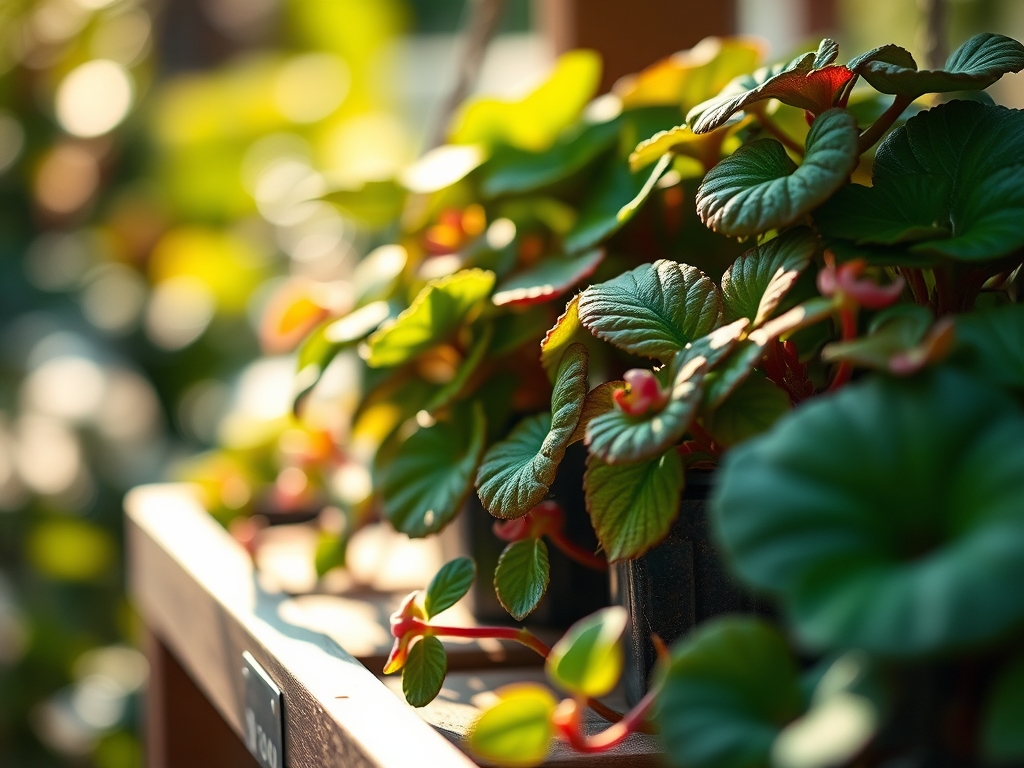
The scent of damp sphagnum peat and the gritty friction of perlite define the workspace of a serious grower. Success with the genus Begonia depends entirely on managing turgor pressure through precise environmental controls. To master how to prepare a plant shelf for begonias, you must move beyond aesthetics and focus on the physiological requirements of these shade-dwelling perennials. A dedicated shelf is a micro-climate where humidity, airflow, and light intensity are strictly regulated to prevent cellular collapse or fungal infection.
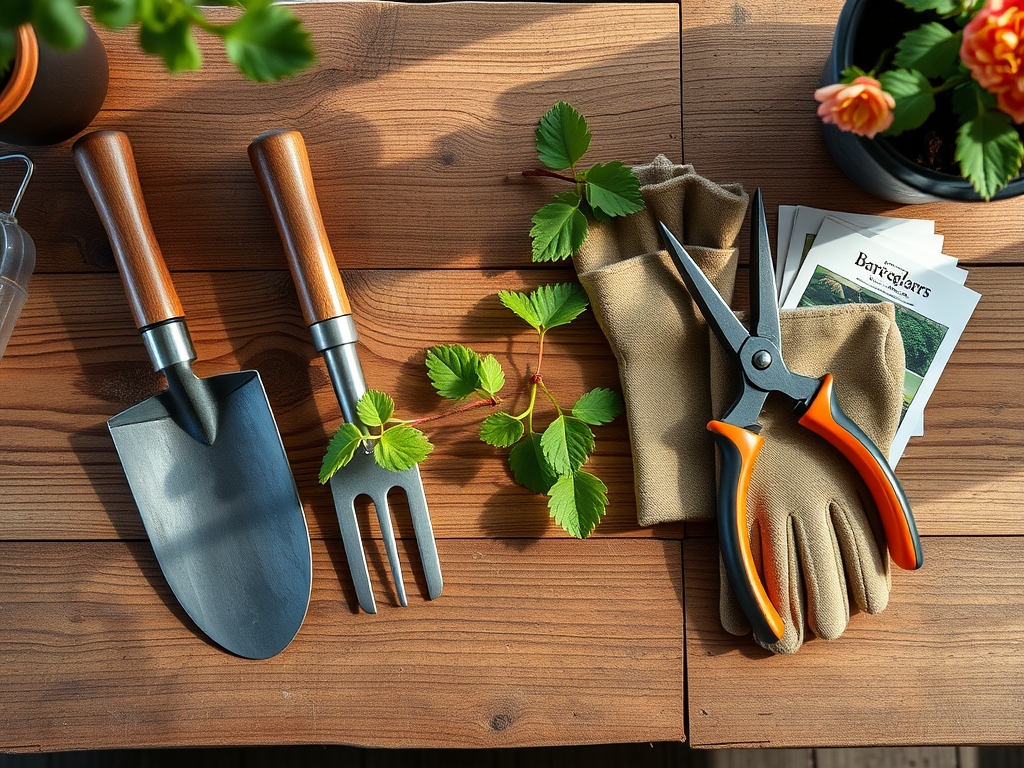
Materials:
Begonias require a substrate that is exceptionally friable and aerated to protect their delicate, fibrous root systems. The ideal soil pH ranges from **5.5 to 6.5** to ensure maximum nutrient availability. Use a professional-grade soilless mix consisting of 50 percent long-fiber peat moss, 25 percent perlite, and 25 percent vermiculite. This composition facilitates a high Cation Exchange Capacity (CEC), allowing the plant to readily access essential ions.
For nutritional support, utilize a balanced NPK ratio of 10-10-10 for general growth or a 15-30-15 ratio to stimulate flowering in tuberous varieties. Avoid heavy garden loams that compact over time; instead, seek a substrate that feels light and spongy when compressed. Incorporate a slow-release fertilizer at a rate of one tablespoon per gallon of medium to provide a steady supply of nitrogen, phosphorus, and potassium over a 90-day period.
Timing:
Begonias are highly sensitive to temperature fluctuations and are generally restricted to Hardiness Zones 9 through 11 for outdoor growth. When preparing an indoor shelf, the biological clock is governed by the photoperiod. Most begonias require 12 to 14 hours of filtered light to maintain the vegetative stage. If the light cycle drops below 10 hours, many species, particularly tuberous types, will enter senescence and drop foliage to preserve energy in the rhizome.
Schedule your shelf setup two weeks before the last frost date in your region. This timing aligns with the natural surge in ambient humidity and increasing day length. Ensure the shelf location maintains a consistent temperature between 65 and 75 degrees Fahrenheit. Temperatures dropping below 55 degrees Fahrenheit will cause a cessation of metabolic activity and may lead to root rot as the plant stops transpiring water.
Phases:
Sowing and Propagation
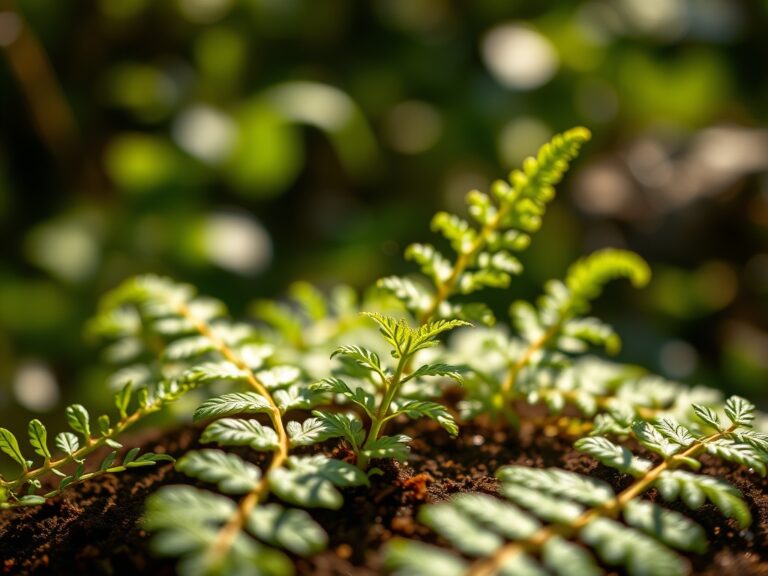
When starting from seed or leaf cuttings, use a heat mat set to 72 degrees Fahrenheit. Place seeds on the surface of the medium as they are photoblastic and require light for germination. Use a clear humidity dome to maintain an atmospheric moisture level of 70 percent or higher.
Pro-Tip: Maintain high humidity to prevent the desiccation of the apical meristem. This is a biological necessity because young cuttings lack a developed vascular system to replace water lost through transpiration.
Transplanting
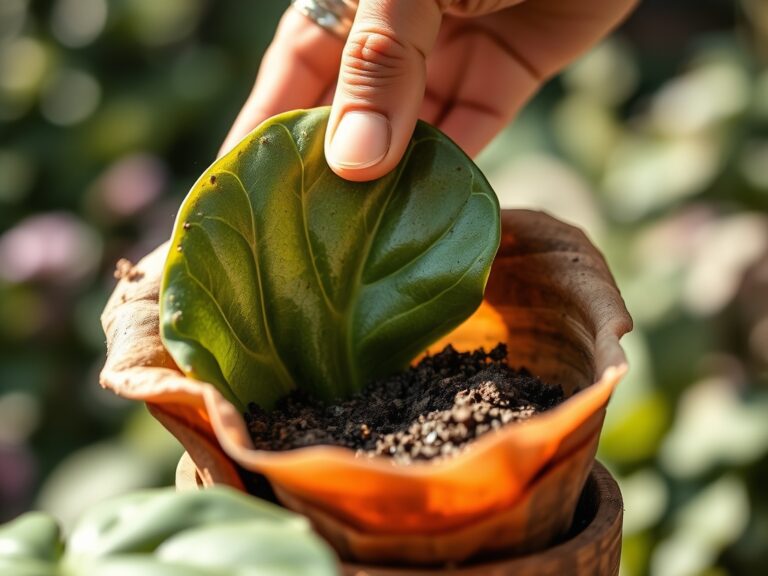
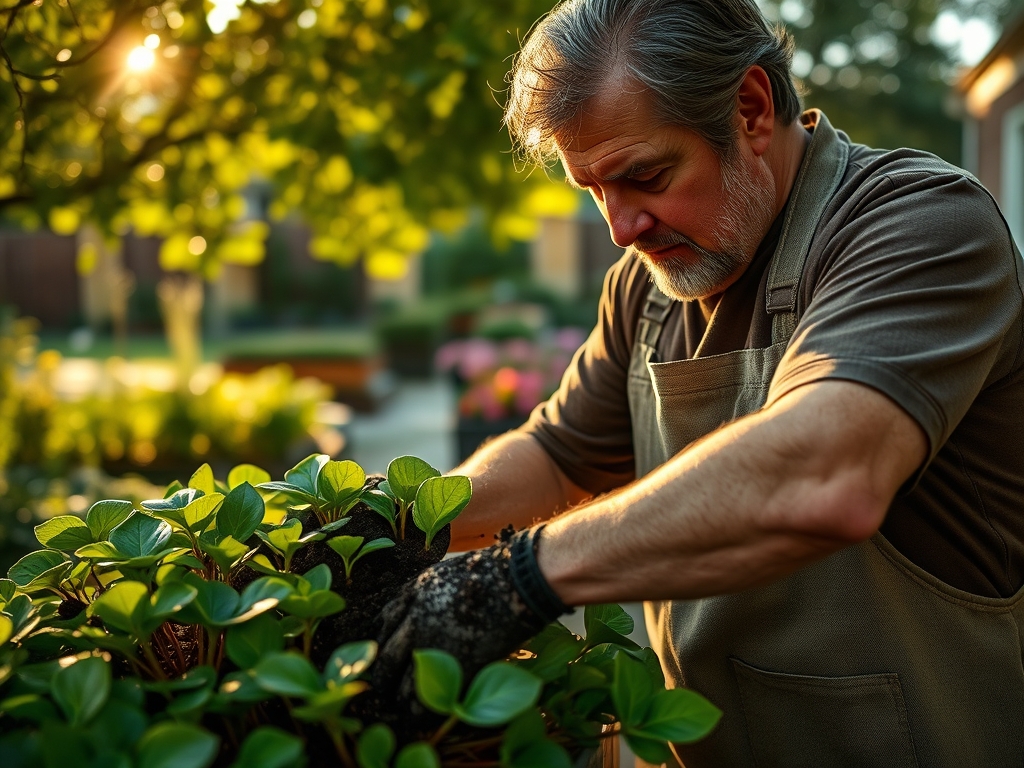
Move seedlings or established cuttings into their permanent containers once they possess two sets of true leaves. Ensure the new pots have adequate drainage holes. Position the plant so the crown sits slightly above the soil line to prevent crown rot.
Pro-Tip: Inoculate the rhizosphere with mycorrhizal fungi during transplanting. This symbiotic relationship extends the root surface area, allowing for enhanced uptake of phosphorus and micronutrients through the fungal hyphae.
Establishing on the Shelf
Arrange plants on the shelf according to their light requirements. Rex begonias should be placed at the periphery where light intensity is lower, while cane-like varieties can handle the direct output of LED grow lights positioned 12 inches above the canopy.
Pro-Tip: Rotate pots 90 degrees every week to counter phototropism. This ensures that auxin, the hormone responsible for cell elongation, is distributed evenly, preventing the stems from becoming leggy or leaning toward the light source.
The Clinic:
Physiological disorders in begonias often manifest as visible changes in leaf morphology or color. Monitoring these signals is critical for maintaining a healthy collection.
- Symptom: Powdery white spots on leaves.
- Solution: This indicates Oidium begoniae (Powdery Mildew). Increase airflow using a small oscillating fan and reduce ambient humidity to 50 percent.
- Symptom: Brown, crispy leaf margins.
- Solution: Low humidity or salt buildup in the substrate. Flush the soil with distilled water and utilize a humidifier to maintain a constant 60 percent humidity level.
- Symptom: Yellowing of lower leaves (Chlorosis).
- Solution: Nitrogen deficiency. Apply a liquid fertilizer with a higher N-value at half-strength to restore chlorophyll production.
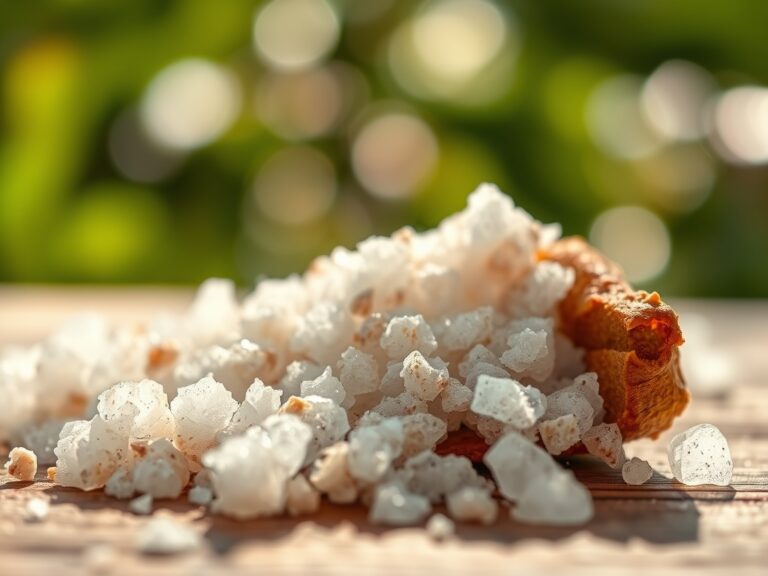
- Fix-It for Magnesium Deficiency: If leaves show interveinal chlorosis (yellowing between green veins), apply one teaspoon of Epsom salts per gallon of water once a month to provide essential magnesium ions for the central atom of the chlorophyll molecule.
Maintenance:
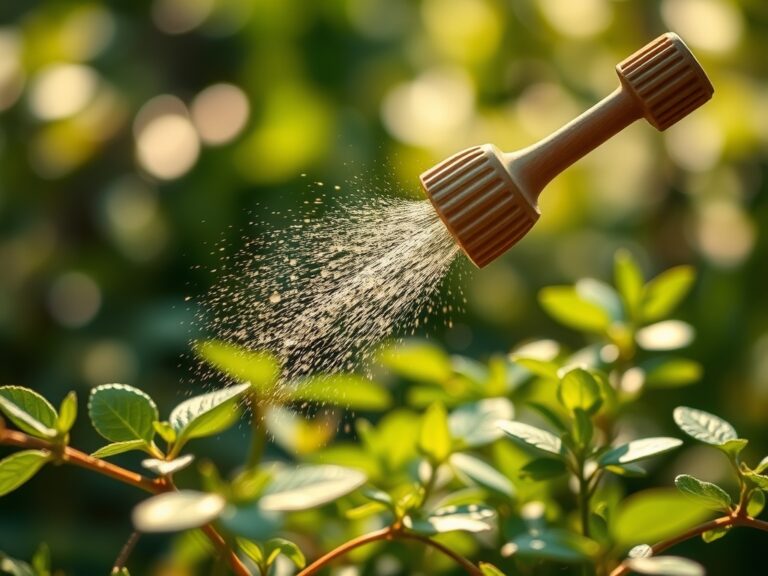
Precision maintenance prevents the onset of pathogens. Use a soil moisture meter daily; do not water until the top one inch of substrate feels dry to the touch. When irrigating, provide approximately 1.5 inches of water per week, directing the flow at the soil level to avoid wetting the foliage.
Keep a hori-hori knife or sharp bypass pruners sterilized with 70 percent isopropyl alcohol. Use these tools to remove any senescent leaves or spent blooms immediately. This practice prevents Botrytis cinerea (gray mold) from establishing a foothold on decaying organic matter. If the shelf is constructed of wood, ensure it is sealed with a waterproof membrane to prevent the buildup of mold and fungus gnats in the wood grain.
The Yield:
While begonias are primarily grown for foliage, harvesting flowers or taking cuttings for propagation requires specific timing. For maximum "day-one" freshness in cuttings, harvest in the early morning when the plant is at peak turgidity. Use a sterile blade to make a clean cut at a 45-degree angle just below a node.
If you are harvesting tuberous begonias for winter storage, wait until the first light frost has blackened the foliage. This signal forces the plant to pull carbohydrates back into the tuber. Cure the tubers in a dry, dark location at 50 degrees Fahrenheit for two weeks before storing them in dry peat moss.
FAQ:
What is the best light for a begonia shelf?
Use full-spectrum LED grow lights. Aim for 150 to 200 micromoles of light intensity. Keep lights active for 12 to 14 hours daily to simulate a tropical day-length and prevent the plant from entering dormancy.
How often should I fertilize my begonias?
Apply a water-soluble fertilizer at half-strength every two weeks during the active growing season. Reduce frequency to once a month during winter. This prevents salt accumulation in the rhizosphere which can burn sensitive root hairs.
Why are my begonia leaves dropping?
Sudden leaf abscission is usually caused by extreme temperature shifts or overwatering. Ensure the shelf stays above 60 degrees Fahrenheit and the soil is not waterlogged. Saturated soil leads to anaerobic conditions and root hypoxia.
Can I use tap water for begonias?
Tap water often contains chlorine and fluoride, which cause tip burn. Use filtered or distilled water. If using tap, let it sit for 24 hours to allow chlorine to dissipate before applying it to the substrate.
What is the ideal humidity for a begonia shelf?
Maintain a relative humidity between 60 and 70 percent. Use a hygrometer to monitor levels. If humidity drops below 50 percent, the stomata will close to prevent water loss, which halts photosynthesis and growth.