7 Fragrant Steps to Prepare a Dedicated Jasmine Plant Shelf
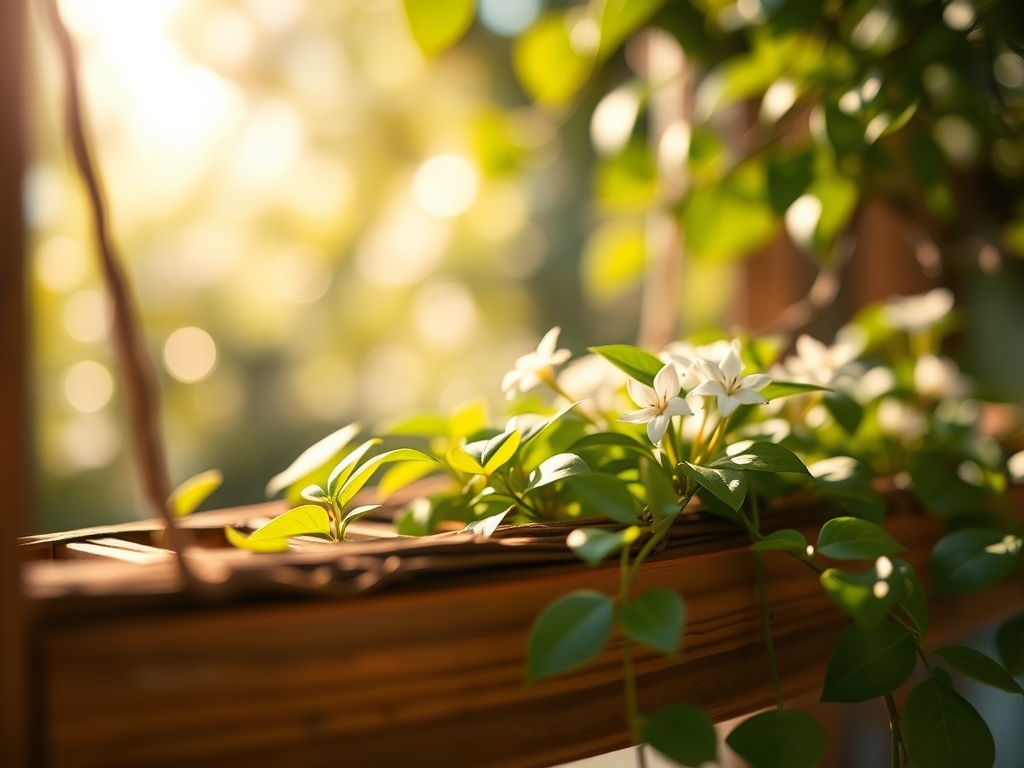
The scent of indole and methyl anthranilate hits the back of the throat before the plant even enters the room. A healthy jasmine specimen, such as Jasminum officinale, maintains high turgor pressure in its elliptical leaves; a physical sign of a robust vascular system. Learning how to prepare a plant shelf for jasmine requires more than aesthetic placement. It demands an engineering approach to light, humidity, and substrate chemistry. You are building a localized microclimate that supports rapid cellular expansion and volatile oil production. Success is measured in the density of the white corollas and the strength of the climbing petioles.
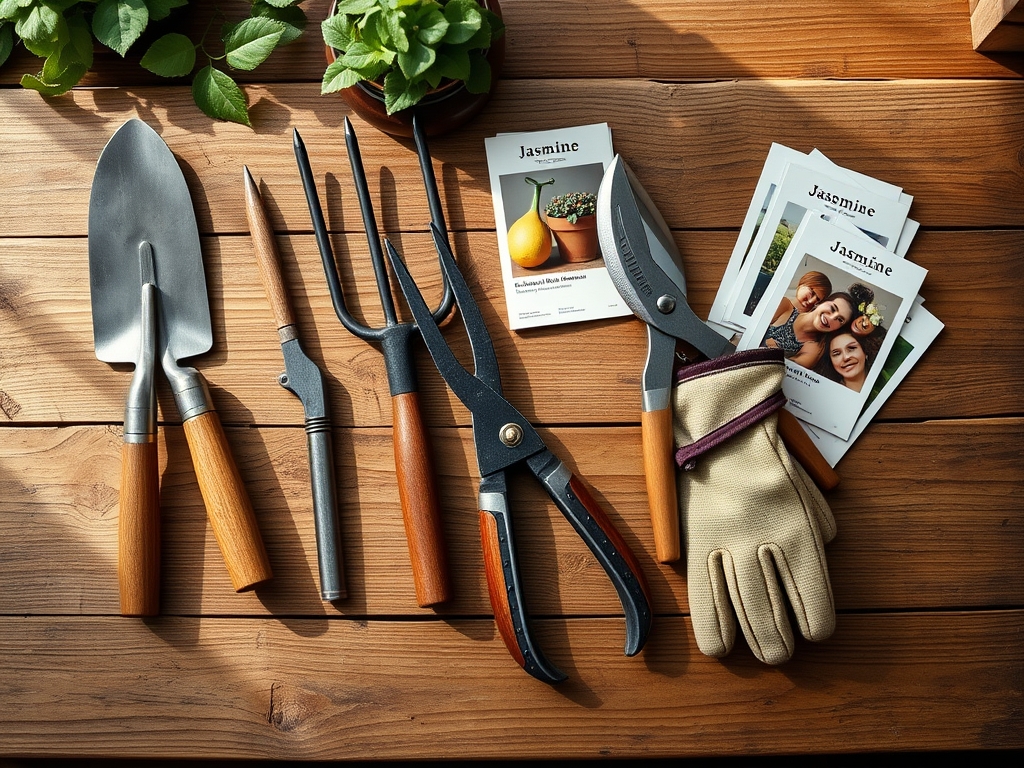
Materials:
The foundation of jasmine health is the rhizosphere. You must select a substrate with high Cation Exchange Capacity (CEC) to ensure nutrient availability. The ideal medium is a friable loam consisting of 40 percent peat or coco coir, 30 percent perlite for aeration, and 30 percent aged compost. Target a **soil pH between 6.0 and 7.0**. Jasmine is sensitive to salt buildup; avoid heavy synthetic fillers.
For nutritional inputs, utilize an NPK ratio of 7-9-5 during the active growing season. The slightly higher phosphorus content supports bud initiation and root elongation. Ensure the shelf itself is constructed from non-porous materials like powder-coated steel or sealed hardwood to prevent fungal colonization. You will also need a LED grow light system capable of delivering 400 to 600 micromoles of Photosynthetically Active Radiation (PAR) if natural light is insufficient.
Timing:
Jasmine species typically thrive in USDA Hardiness Zones 7 through 10, though indoor shelves allow for year-round cultivation. The biological clock of the plant is governed by the photoperiod. To trigger the transition from the vegetative stage to the reproductive stage (flowering), many jasmine varieties require a cooling period. Maintain ambient temperatures between 55 and 65 degrees Fahrenheit for six weeks during the winter months. This thermal dip induces dormancy, which is necessary for a concentrated bloom cycle in the spring. Avoid transplanting or heavy pruning during the frost-date window of your specific region to prevent shock to the apical meristems.
Phases:
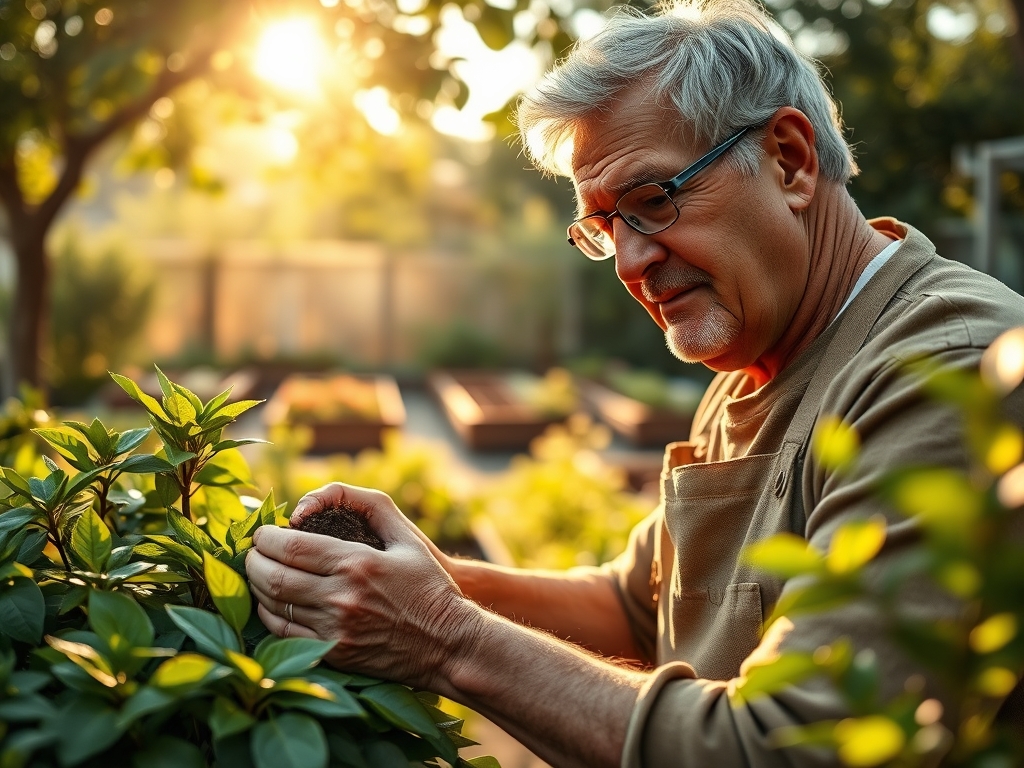
Sowing and Propagation
If starting from cuttings, select a 4 to 6-inch semi-hardwood stem. Remove the lower leaves to expose the nodes and dip the base into an indole-3-butyric acid (IBA) rooting hormone. Place the cutting in a sterile, moist medium under a humidity dome.
Pro-Tip: Maintain high humidity to prevent transpiration pull from wilting the cutting before roots form. This manages the plant's water potential while the vascular tissue is incomplete.
Transplanting
When roots reach 2 inches in length, move the jasmine to its permanent container on the shelf. Ensure the pot has adequate drainage holes. Place the root ball at the same depth it sat in the propagation tray to avoid stem rot at the soil line.
Pro-Tip: Inoculate the soil with mycorrhizal fungi during transplanting. This symbiotic relationship increases the surface area of the root system, enhancing phosphorus uptake and drought resistance through fungal hyphae.
Establishing and Training
Jasmine is a vigorous climber. Install a trellis or tension wires on your shelf immediately. Use soft garden ties to guide the primary vines. Prune the tips of young shoots to encourage lateral branching, which leads to a fuller canopy and more flowering sites.
Pro-Tip: Use strategic pruning to manage auxin suppression. By removing the apical bud, you neutralize apical dominance; this allows lateral buds to break dormancy and creates a bushier plant.
The Clinic:
Physiological disorders in jasmine often manifest in the foliage. Monitor your shelf daily for the following symptoms.
Symptom: Interveinal chlorosis (yellowing leaves with green veins).
Solution: This indicates a Magnesium or Iron deficiency. Check the soil pH first; if the pH is above 7.0, the plant cannot uptake these micronutrients.
Fix-It: Apply a chelated iron spray or Epsom salts (Magnesium Sulfate) at a rate of 1 tablespoon per gallon of water.
Symptom: Leaf drop and blackened stems.
Solution: This is typically a sign of Phytophthora root rot caused by anaerobic soil conditions.
Fix-It: Reduce watering frequency and ensure the pot is not sitting in stagnant water. Increase airflow using a small circulation fan.
Symptom: Stunted growth and "burnt" leaf tips.
Solution: Nitrogen toxicity or salt accumulation from over-fertilization.
Fix-It: Flush the substrate with distilled water equal to three times the volume of the pot to leach out excess salts.
Maintenance:
Precision is the difference between a surviving plant and a thriving one. Provide 1.5 inches of water per week, delivered directly to the soil surface. Use a soil moisture meter to ensure the top 2 inches of soil have dried before re-watering.
Pruning should be performed with sharp bypass pruners to ensure clean cuts that heal quickly. Use a hori-hori knife for any necessary root pruning if the plant becomes pot-bound. Annually, top-dress the containers with 1 inch of fresh worm castings to maintain soil structure and microbial activity. Clean the leaves once a month with a damp cloth to remove dust, which can block stomata and reduce photosynthetic efficiency.
The Yield:
For those growing jasmine for its aromatic flowers, harvest timing is critical. Collect blossoms in the early morning when the concentration of essential oils is at its peak. The flowers should be fully open but not yet showing signs of senescence (browning at the edges).
Snip the pedicel carefully to avoid damaging the neighboring buds. To maintain "day-one" freshness for potpourri or tea, place the flowers in a single layer on a drying screen in a cool, dark place with high airflow. This preserves the volatile compounds and prevents the development of mold.
FAQ:
How much light does a jasmine shelf need?
Jasmine requires at least 6 to 8 hours of direct sunlight daily. If using artificial lights, provide 12 to 14 hours of full-spectrum LED exposure to mimic a summer photoperiod and support vigorous flowering.
What is the best pot for jasmine?
Terracotta pots are ideal because they are porous and allow for gas exchange in the rhizosphere. This prevents soil saturation and provides a stable environment for the roots to regulate moisture levels effectively.
How often should I fertilize my jasmine?
Apply a balanced, water-soluble fertilizer every two to four weeks during the spring and summer. Cease fertilization during the winter months when the plant enters a semi-dormant state to avoid chemical burning of the roots.
Why are my jasmine buds falling off?
Bud drop is usually caused by sudden fluctuations in temperature or humidity. Ensure the shelf is away from air conditioning vents or heaters. Maintain a consistent humidity level of 40 to 50 percent.
Can I grow jasmine indoors permanently?
Yes, provided you meet its requirements for light and a winter cooling period. Indoor jasmine needs consistent air circulation and careful monitoring of soil moisture to prevent the development of spider mites in dry air.