6 Steps to Prepare a Dedicated Flowering Hoya Plant Shelf
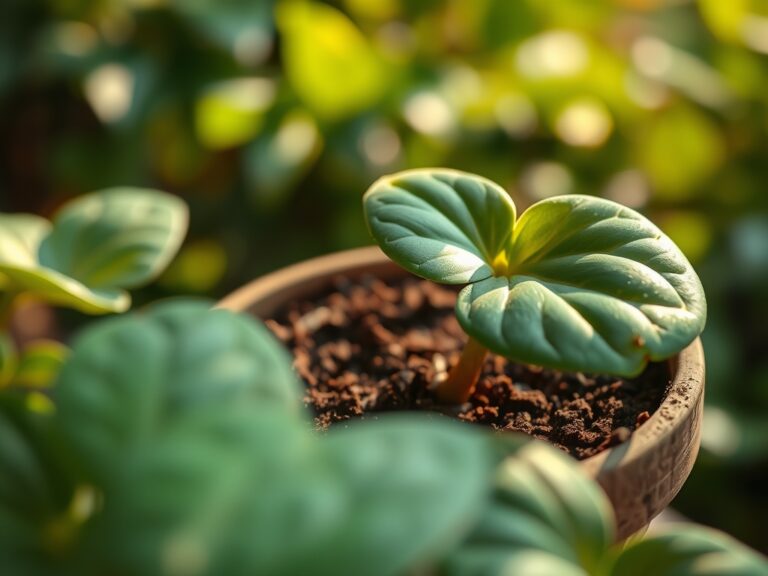
Turgor pressure defines the structural integrity of a Hoya carnosa leaf; it is the difference between a rigid, succulent blade and a flaccid, dehydrated specimen. When you master how to prepare a plant shelf for hoyas, you transition from mere decoration to precise environmental engineering. This process requires managing specific humidity gradients and light intensities to trigger the peduncles into their reproductive phase. Success is measured in the thickness of the cuticle and the health of the adventitious roots.
Materials:
Substrate selection is the foundation of the rhizosphere. For epiphytic Hoyas, the goal is a high Cation Exchange Capacity (CEC) combined with rapid drainage. The ideal substrate is a friable mix consisting of 40 percent chunky orchid bark, 30 percent perlite, and 30 percent coco coir. This creates a porous architecture that prevents anaerobic conditions.
The soil pH must remain between 5.5 and 6.5 to ensure nutrient bioavailability. For the vegetative stage, utilize a fertilizer with an NPK ratio of 3-1-2 to support foliar expansion. As the plant matures toward its flowering cycle, transition to a 10-30-20 ratio. High phosphorus levels are essential for ATP production during the energy-intensive process of inflorescence development. Ensure the shelf itself is constructed of non-porous materials like powder-coated steel or sealed hardwood to prevent fungal colonization.
Timing:
In USDA Hardiness Zones 9 through 11, Hoyas can exist in semi-outdoor environments, but for most collectors, the shelf is an indoor microclimate. The biological clock of a Hoya is governed by the photoperiod. Most species require a "dry rest" period during the winter months when light levels drop below 200 foot-candles.
Initiate your shelf setup in late winter, approximately four to six weeks before the local last frost date. This timing aligns with the plant's natural emergence from dormancy. As ambient temperatures stabilize between 65 and 80 degrees Fahrenheit, the metabolic rate increases. You are preparing the shelf to support this surge in transpiration and nutrient uptake.
Phases:
Sowing and Propagation
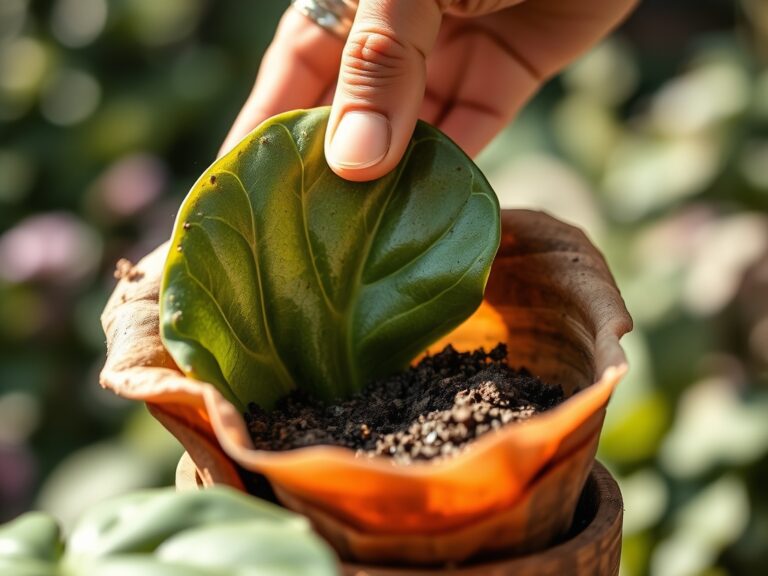
Most Hoya enthusiasts begin with cuttings rather than seeds. Place a two-node cutting in a medium of damp sphagnum moss or perlite. Ensure at least one node is submerged to activate the undifferentiated cells into root tissue. Maintain a constant temperature of 72 degrees Fahrenheit.
Pro-Tip: Utilize a heat mat to increase the temperature of the rooting zone. This stimulates auxin synthesis at the basal end of the cutting, accelerating root initiation before the leaf tissue undergoes senescence.
Transplanting
Once the root system reaches two inches in length, move the specimen to its permanent vessel on the shelf. Select a pot that is only one inch wider than the root ball. Hoyas prefer a constricted root environment, which mimics their natural growth in rock crevices or tree crotches.
Pro-Tip: Incorporate a handful of horticultural charcoal into the mix. This increases the surface area for mycorrhizal symbiosis, allowing beneficial fungi to extend the reach of the root system for better phosphorus absorption.
Establishing the Microclimate
Position your shelf to receive 1,000 to 2,500 foot-candles of light. Use a digital light meter to verify these levels. If natural light is insufficient, install full-spectrum LED bars positioned 8 to 12 inches above the foliage. Air circulation is non-negotiable; a small fan should run on a low setting to prevent the boundary layer of air around the leaves from becoming stagnant.
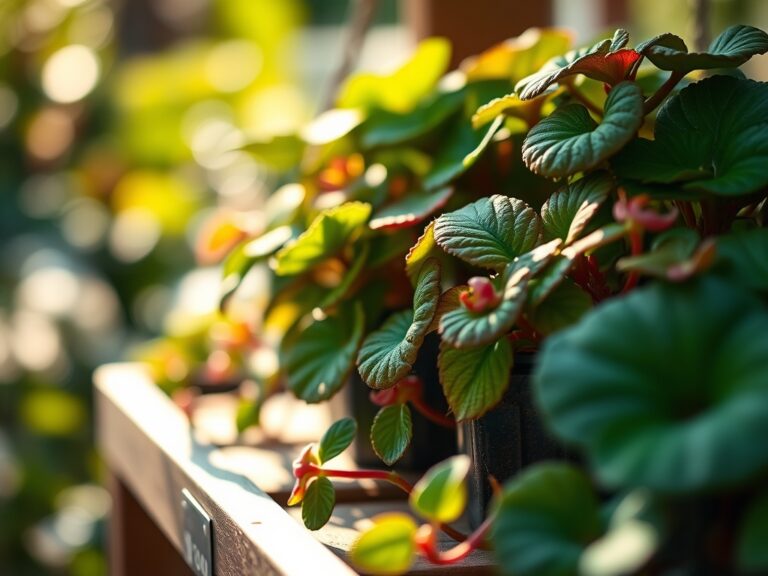
Pro-Tip: Group plants according to their leaf thickness. Thinner-leaved species like Hoya bella require higher humidity (60 percent plus) because they have a higher transpiration rate and lower water storage capacity than succulent-leaved varieties.
The Clinic:
Physiological disorders often manifest as visual cues in the foliage. Use the following diagnostic criteria to troubleshoot your shelf.
Symptom: Interveinal chlorosis (yellowing between green veins) on new growth.
Solution: This indicates a micronutrient deficiency, likely iron or manganese. Check the substrate pH. If the pH is above 7.0, the plant cannot sequester these minerals. Flush with acidified water.
Symptom: Abscission of flower buds before opening.
Solution: This is often caused by sudden fluctuations in turgor pressure or temperature. Ensure the shelf is away from HVAC vents and maintain a consistent watering schedule.
Symptom: Edema (small corky bumps on the underside of leaves).
Solution: This occurs when the roots take up water faster than the stomata can transpire it. Increase airflow and reduce watering frequency during high-humidity cycles.
Fix-It for Nitrogen Chlorosis: If older leaves turn a uniform pale yellow, apply a quick-release liquid fertilizer with a high Nitrogen (N) value. Nitrogen is a mobile nutrient; the plant is scavenging it from old growth to support new apical meristems.
Maintenance:
Precision is the difference between survival and flowering. Use a soil moisture meter to ensure the substrate is dry to a depth of two inches before adding water. For a standard six-inch pot, provide approximately 250 milliliters of water, ensuring even distribution across the surface.
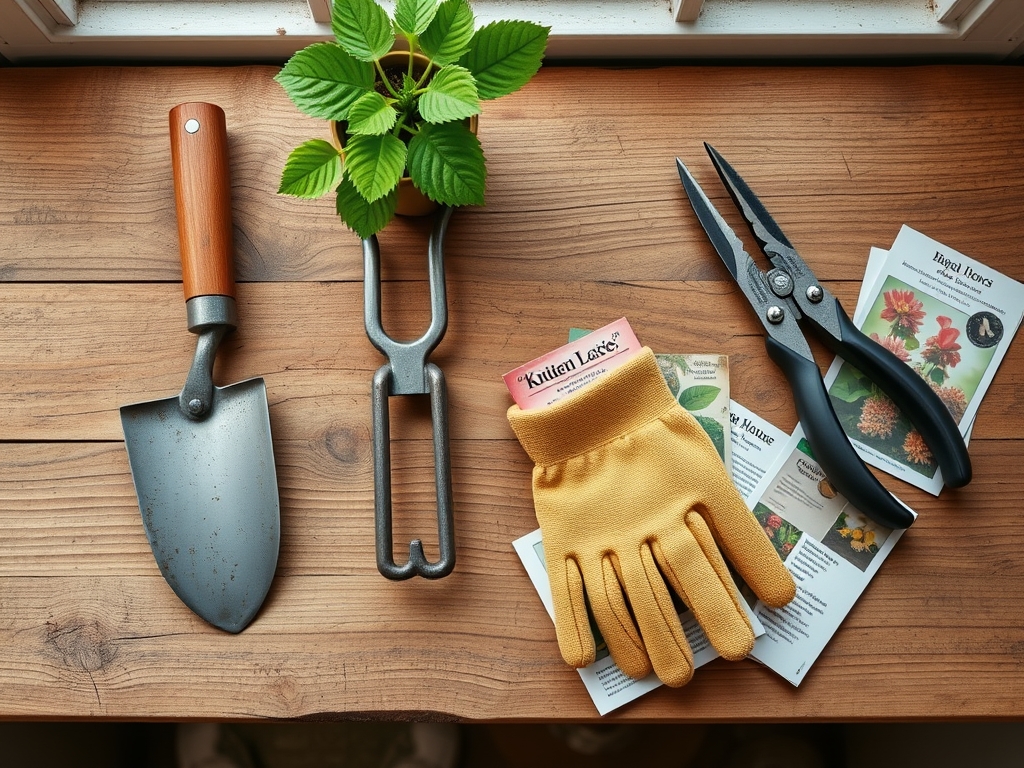
Pruning should be minimal. Use bypass pruners sterilized with 70 percent isopropyl alcohol to remove dead wood. Never cut off the peduncles (the spurs where flowers bloom). Hoyas re-bloom from the same spot every year. Use a hori-hori knife to occasionally probe the soil and check for compaction; if the soil feels like a solid brick, it is time to aerate or repot.
The Yield:
While Hoyas are not "harvested" in the traditional sense, the "yield" is the umbel of fragrant flowers. To maximize the longevity of the bloom, do not move the plant once buds have formed. The change in light orientation can trigger a hormonal shift that leads to bud drop.
If you are taking cuttings for trade or expansion, use a sharp blade to make a clean diagonal cut. Immediately dip the end in lukewarm water to stop the flow of latex. This sap contains alkaloids and is the plant's primary defense mechanism against herbivory. Place the cutting in a sealed bag with a damp paper towel to maintain 100 percent humidity until it can be potted.
FAQ:
What is the best light for Hoya flowering?
Hoyas require bright, indirect light between 1,000 and 2,500 foot-candles. Eastern exposure is ideal. If using artificial lights, ensure a 12 to 14 hour photoperiod using full-spectrum LEDs to mimic natural equatorial day lengths.
How often should I fertilize my Hoya shelf?
Apply a diluted liquid fertilizer every two weeks during the active growing season (spring and summer). Use a balanced formula initially, then switch to a high-phosphorus "bloom booster" once you observe the initiation of floral primordia.
Why are my Hoya leaves turning yellow and soft?
Soft, yellow leaves usually indicate root rot caused by overwatering or poor drainage. This creates an anaerobic environment that kills the root hairs. Immediately check the substrate and reduce watering to allow the rhizosphere to oxygenate.
Do Hoyas need high humidity to bloom?
Most Hoya species thrive in 50 to 70 percent humidity. While they can survive in lower levels, high humidity reduces the stress on the plant during the transpiration process, allowing more energy to be diverted to flower production.
Can I use tap water for my Hoyas?
Tap water is acceptable if the Total Dissolved Solids (TDS) are low. However, Hoyas are sensitive to chlorine and fluoride. Use filtered water or let tap water sit for 24 hours to allow gases to dissipate before application.